




Staff Rides and Battlefield Studies in Istanbul and Gallipoli

The decision you are studying was taken on ground you can still stand on.

Licensed operator, TÜRSAB #7651
Institutional group work since 2011
Guides working in ten languages
Battlefield study for the UK Ministry of Defence

A Staff Ride Is Worked, Not Narrated

A staff ride is a structured professional study of a historical operation, conducted on the ground where it happened. The accepted form has three parts: preliminary study of the campaign, an extensive visit to the sites themselves, and the integration of the two.

On a battlefield tour your group is told what happened. On a staff ride your group is given the situation, walks the ground, and argues the decision. Prussian officers built the method in the mid nineteenth century, and armed forces, staff colleges and universities still teach with it.

The form follows the doctrinal definition used by Army University Press and the Modern War Institute at West Point.

I trained as an art historian, so my instinct is to look up at the masonry. A staff ride makes you look down the slope instead, from where the attacker stood. It is a different job from the one I was trained for, and it is the one this ground rewards.

Ömer Çelik, licensed guide and art historian

What We Put on the Ground

Six things your programme gets from us, whichever ground you are working.

Licensed guides, not narrators

Guiding in Türkiye is an examined profession, and the guide who takes your stands has worked this ground with study groups before.

Built to your learning objective

Send the exercise instruction or the syllabus and the stands are sequenced to it, rather than to a route we already own.

Access arranged in advance

Entrances, site permissions and the timings that put your group inside the fortification while it is still quiet.

Transport sized to the group

Private vehicles that reach the stands, wait where the walking starts, and collect you where it ends.

Dates held around your calendar

Course intakes, annual studies and the pressure around 25 April on the peninsula, planned nine to twelve months out.

One coordinator, start to finish

A named contact who answers while the programme is running, plus written terms, insurance detail and licence documentation for procurement.

The 1453 Siege, on the Walls It Was Fought At

The Theodosian land walls run for kilometres, and you can walk the sector where the breach happened, stand in the ditch, and see the ground rise the way the attacking force saw it.

It works as a study because the problem is complete: a combined land and naval operation against the strongest fortification in Europe, three defensive lines to cross, artillery changing the calculus mid campaign, and a fleet moved overland. Most European battlefields of that weight have been built over. This one is a working district with the fortification still standing in it.

Groups arrive expecting a wall. What changes the day is standing in the ditch and realising the defender could see you the whole way in. You cannot get that from a map, and you cannot get it from the road above.

Tolga Bensan, licensed guide, ran the UK Ministry of Defence study

Background reading before the preliminary study phase sits on the sieges of Constantinople and Mehmet II.

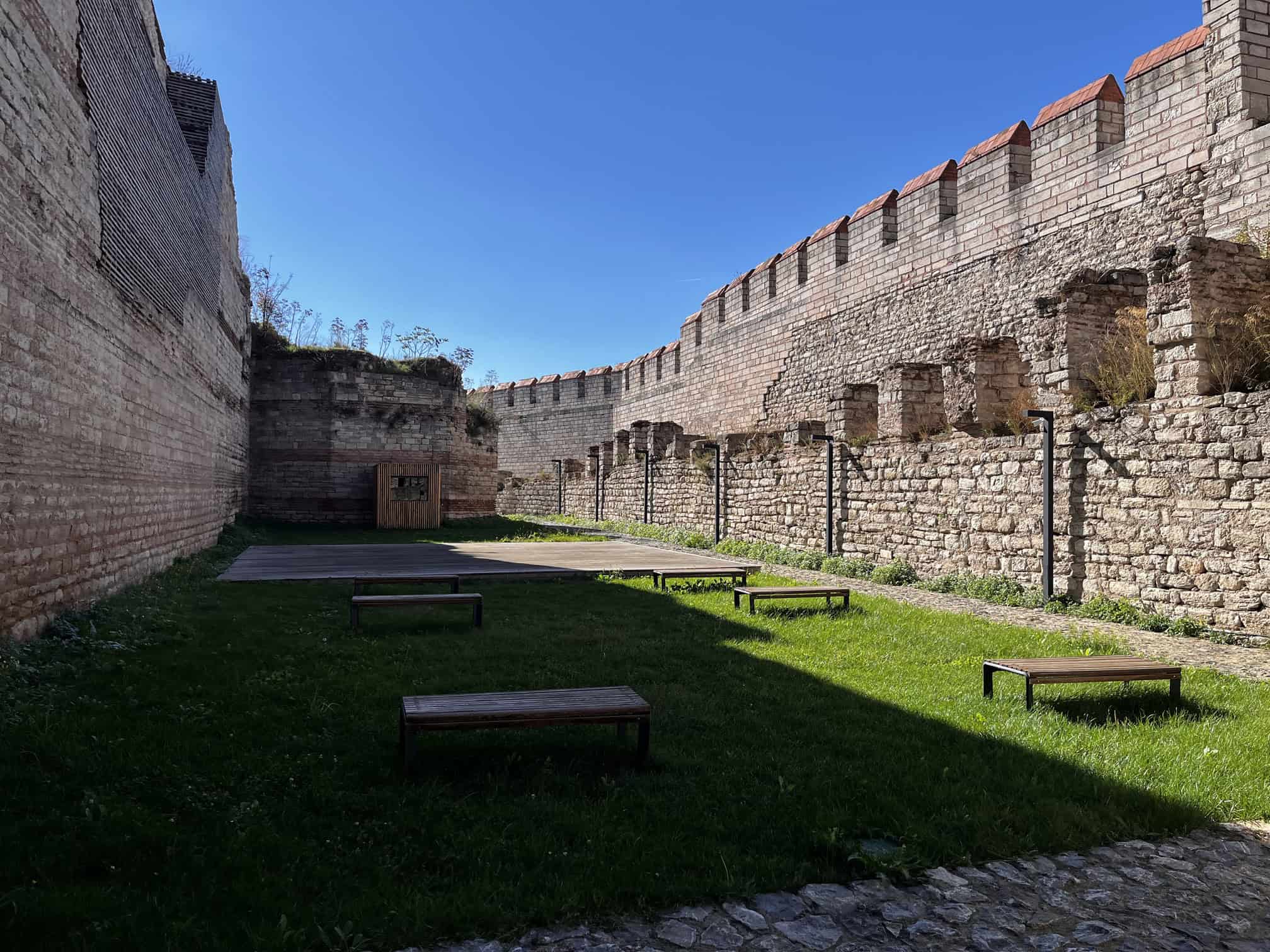
A long run of the Theodosian land walls at Mevlanakapi with the moat lawn in front

Gallipoli and the Dardanelles, Run Honestly

The terrain is largely unaltered: the beaches, the ridges, and the distances between them that decided the campaign. A walking study takes in Gaba Tepe, Ari Burnu, Lone Pine, Quinn’s Post and The Nek.

On the day trip question, the honest answer is no. A return from Istanbul runs seventeen to eighteen hours and leaves a tired group about five useful hours on the ground. Sleep in Eceabat or Çanakkale and you walk the ridges on fresh legs. If your schedule only allows the day, say so and we will run it and tell you what it costs you in study time.

The distances are the whole argument. From the beach the ridge looks like nothing. You climb it once, in the heat, carrying nothing but a water bottle, and the campaign stops being a list of dates.

Deniz Karagözoğlu, licensed guide

Our own itinerary on the peninsula, overnight shape included, sits on the private Gallipoli programme.

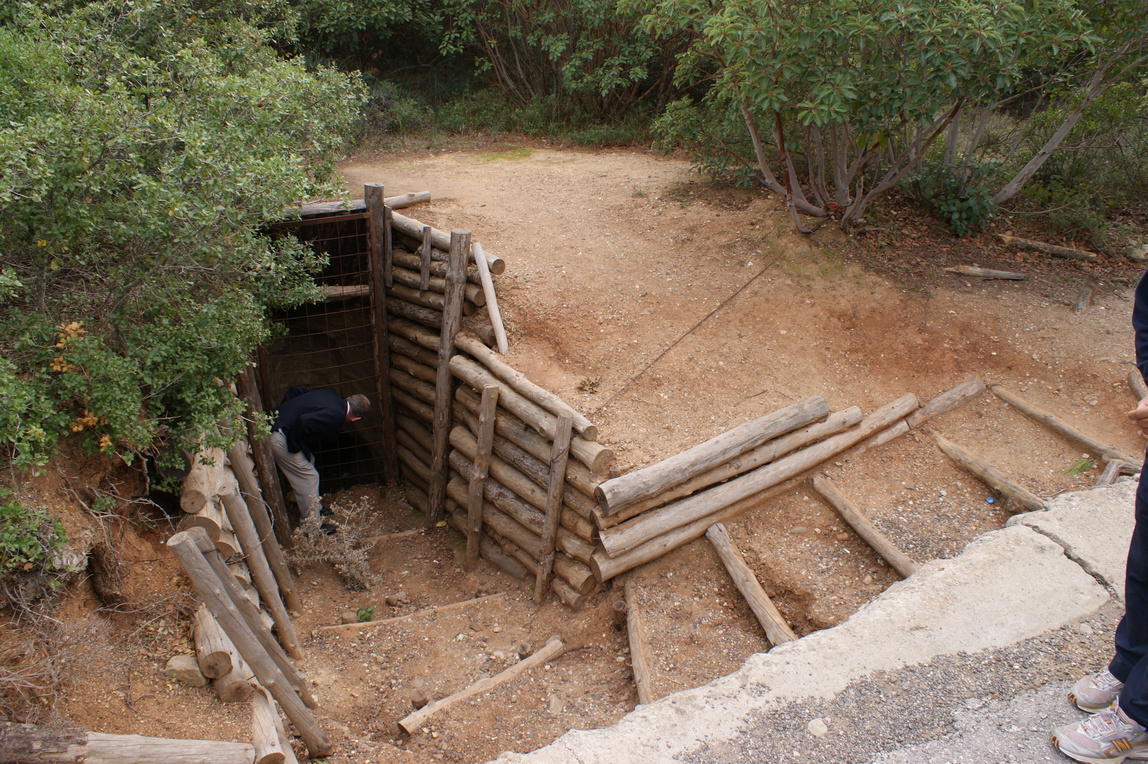
A reconstructed trench on the Gallipoli peninsula

How a Study Day Is Structured

Four moves in this order, because the order is what separates a study from a walk.

1

Your learning objective first

Tell us what your group is meant to come away arguing about. Everything else is built from that.

2

Orientation before ground

A stand that establishes the situation, the forces and the terrain, usually from a viewpoint over the ground in question.

3

Stands on the ground itself

Sequenced stops where the decisions were taken, with the distances between them walked rather than driven.

4

The discussion held on site

Your group works the problem where it happened, not in a hotel room that evening.

Ground Beyond the Land Walls

Three more that carry a professional study.

The Bosphorus as a strait

A regulated international waterway and a chokepoint, worked as what it currently is on our geopolitics of Türkiye programme. You can cross it, sail it and stand above it in a single day.

Troy

On the same road as the peninsula, so Troy and Gallipoli combine into one programme for courses working on antiquity.

Other ground on request

Name the campaign and the dates. If the ground is in Türkiye and it can carry the argument, we will scope it and say so plainly if it cannot.

Who Runs These

The match between guide and ground matters more here than on any other kind of day.

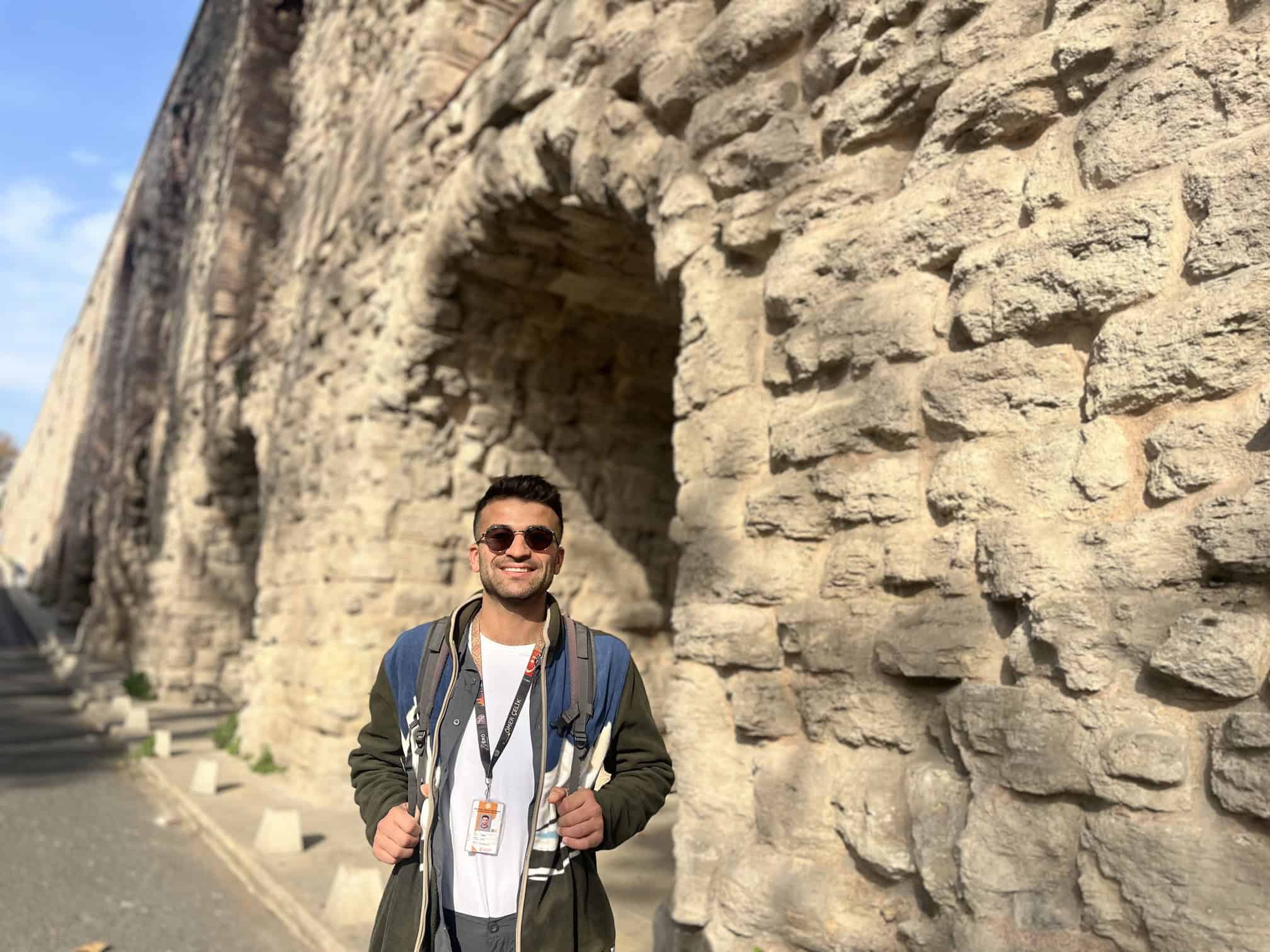
Omer Celik under an arch of the Valens Aqueduct in Istanbul

Ömer Çelik

Licensed guide and art historian. He works the Constantinople ground, where the argument is the fortification and how it was broken.

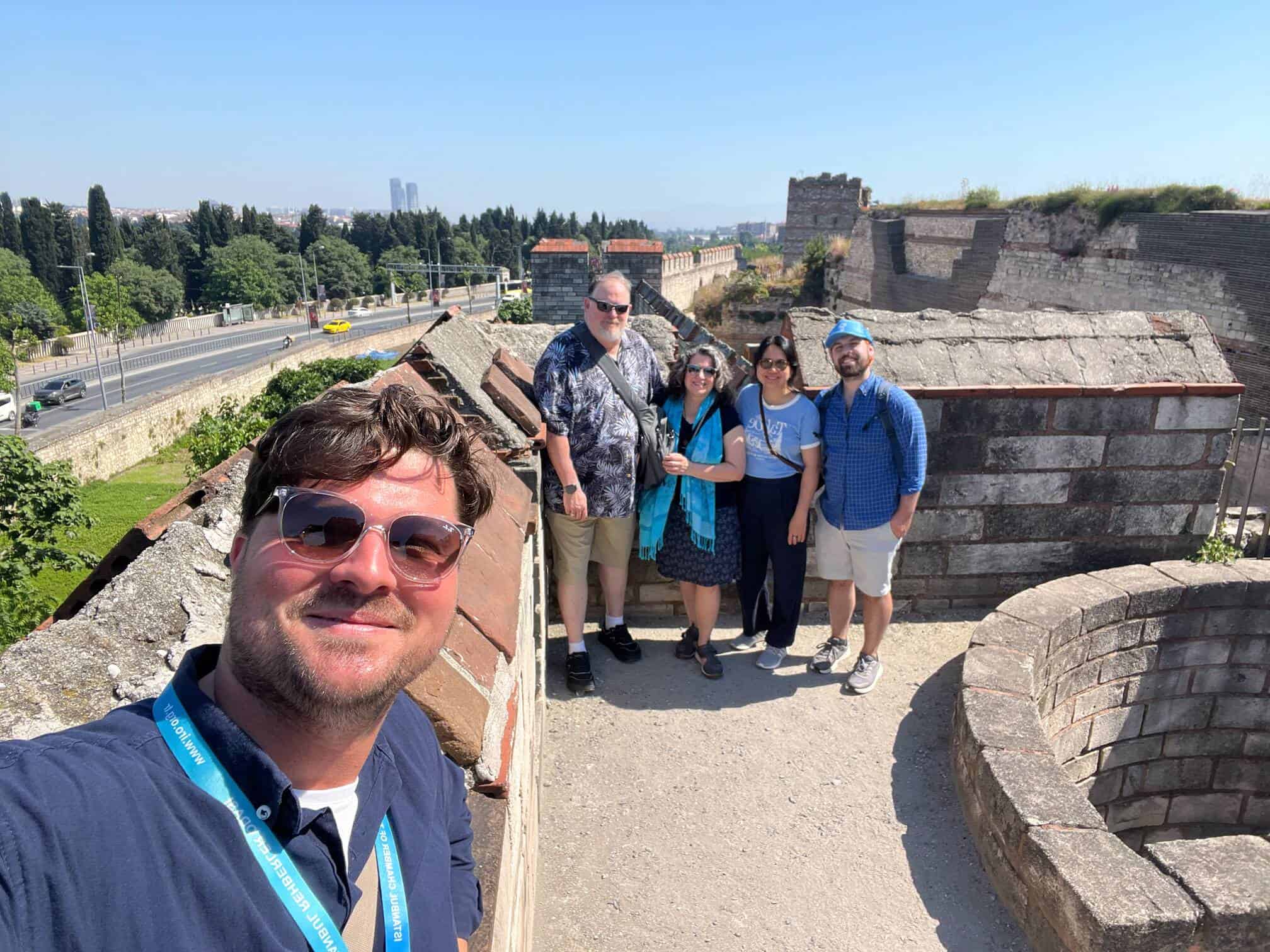
Deniz Karagozoglu with a group on top of the Theodosian walls in Istanbul

Deniz Karagözoğlu

Licensed guide. He walks the Gallipoli ridges with study groups and makes the distances do the teaching.

Tolga Bensan is the third guide who works these studies, on the 1453 ground. Which guide takes your programme depends on the ground and the argument you want out of it, and you will have the name in writing before anything is confirmed.

Programmes We Have Run for Institutions

Ground, group size and date, as delivered.

UK Ministry of Defence

Battlefield study · March 2026

Programme
Conquest of Constantinople
Group
18
Ground
Yedikule Fortress
Also included
Hagia Sophia
Transport
Private van

A battlefield study of the 1453 siege, worked on the ground it happened on. The group took the Theodosian land walls at Yedikule Fortress, the Ottoman siege lines and Hagia Sophia, with the sequence of the assault argued out on site rather than in a room afterwards.

Originally scoped for around thirty five and delivered for eighteen. A smaller group changes the shape of a study day rather than shortening it: eighteen people can stand inside the ditch together and still hear each other.

The ground is still there. That is why this study works in Istanbul and not from a map.

Luther College

University group · January 2026

Programme
Princes' Islands
Focus
Orthodox churches
Options held
Hagia Sophia, Topkapı
Type
Faculty led

A day on the Princes' Islands built around the Orthodox churches, for a faculty led programme where the itinerary had to answer to a syllabus rather than a highlights list.

Hagia Sophia, Topkapı Palace and a Bosphorus crossing sat alongside it as options the professor could take or leave once the group's real pace was known, which on a student trip is never the pace anyone planned for.

A day on the Princes' Islands built around the Orthodox churches rather than around the ferry.

What Groups Ask Before They Book

At Gallipoli a serious walking study covers roughly six miles over undulating ground, much of it uphill on uneven surfaces, so stable footwear matters. On the Istanbul land walls the distances are shorter and the ground harder underfoot: broken surfaces, the ditch itself, and steps. You get the real distance for your own itinerary before you book, and there is a lower mobility version on request.

Yes, and it is the most common shape. The 1453 land walls in Istanbul, then the peninsula with a night on the strait, and Troy on the same road if the syllabus wants antiquity. Four days covers all three without rushing any.

Spring and autumn. April to May and September to October are the mildest and most walkable. High summer on the exposed Gallipoli ridges is punishing, and winter on the land walls is workable but wet. 25 April takes most of the peninsula’s capacity and books a long way ahead.

Yes. That is how we prefer to work. Send the learning objective and the stands you need, and the ground, access and sequencing are built around them. The teaching stays with your directing staff or course convener, where it belongs on a staff ride.

Yes. A battlefield study for a group of officers from the UK Ministry of Defence, built on our Conquest of Constantinople programme and worked on the land walls at Yedikule Fortress. Named references go to procurement on request where the client has agreed.

BEFORE TRAVEL, a licensed Turkish travel agency holding TÜRSAB licence 7651. Licence documentation, insurance detail and written terms go to procurement on request. TÜRSAB licenses every travel agency in Türkiye under Law No. 1618 and publishes a searchable public registry, so you can check it without asking us.

Send the Learning Objective, the Group Size and the Dates

You will get back a written programme with the stands sequenced, the ground explained and the guides named. Send it in writing and the answer comes the same way.