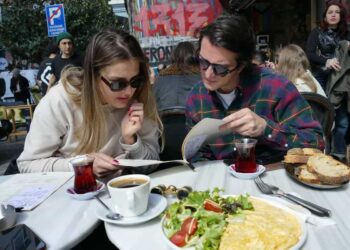
Full-day itinerary (09:00–17:00)
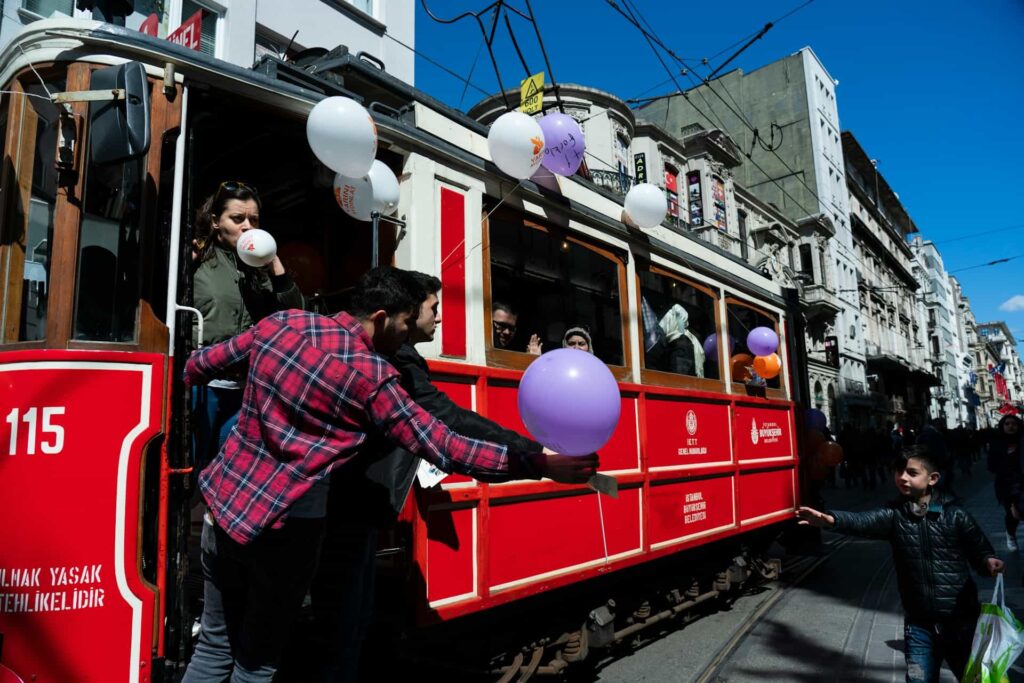
09:00–09:45 — İstiklal Avenue: Russia in imperial Pera
We meet on İstiklal Avenue and set the tone: why Pera became the diplomatic and cultural “front stage” for great-power competition and negotiation. We introduce the day’s big themes—empire, minority lives, exile, and how faith and statecraft often travel together.
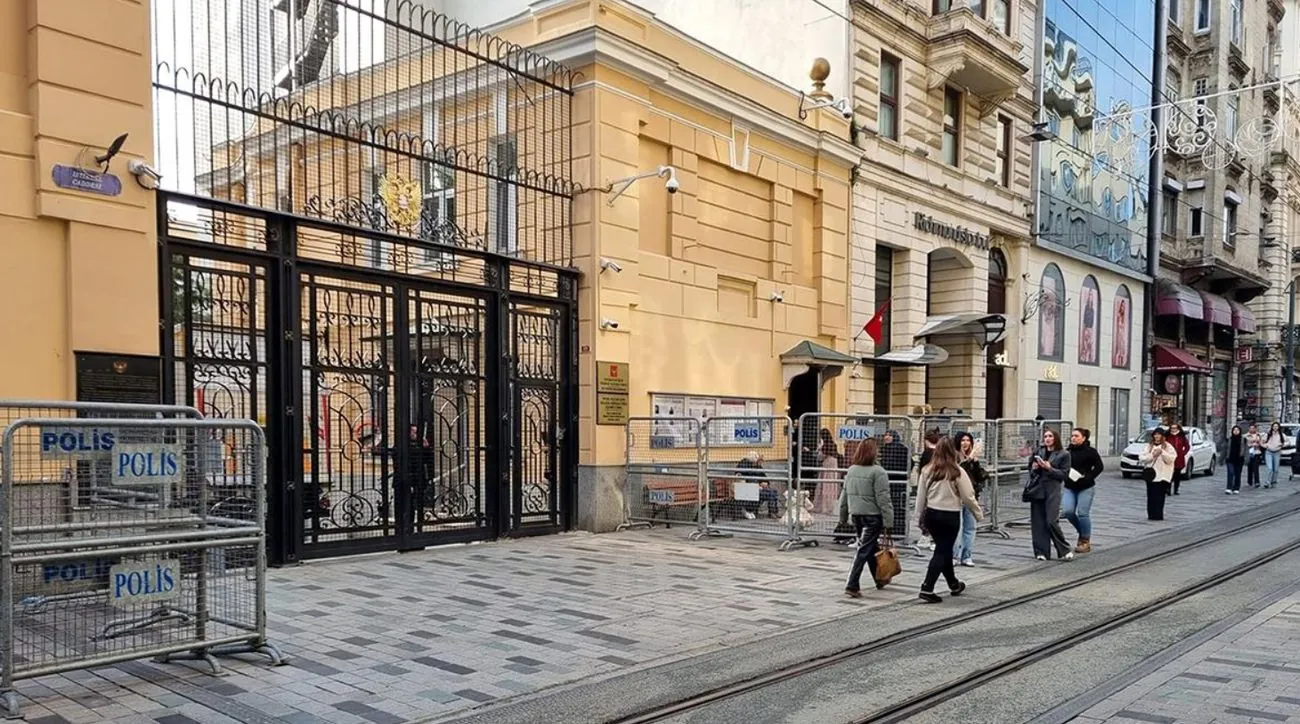
09:45–10:30 — The Russian Consulate (external visit)
At the Russian Consulate, we unpack diplomacy as architecture: what it meant to build big, build high, and build in the Europeanized quarter of the city. From here we talk about the rhythm of Ottoman–Russian relations: wars and treaties in the background, everyday bargaining in the foreground, and Istanbul as the place where rivalry still required conversation.
The Sweet Start: We stop briefly at Patisserie de Pera (Pera Palace). Here, we introduce the Napoleon Pastası. While famously French, it was the preferred treat of the Russian aristocracy and became an Istanbul staple thanks to the White Russian pastry chefs who fled the 1917 Revolution and brought their refined techniques to the city’s grand hotels.
10:30–11:15 — Walk down through Galata: merchants, languages, and corridors of power
We descend toward Galata and read the neighborhood as a compressed history of international trade and minority life. Along the way we connect Russian presence to the broader ecosystem that made Istanbul a magnet: ports, banks, inns, and the human logistics of movement—pilgrims, diplomats, sailors, refugees.
The Transition: As we pass the old passages, we discuss the “Pryanik” (spiced honey cookie). Unlike the delicate Napoleon, Pryanik was the hearty, long-lasting fuel for pilgrims and the bankrupt aristocrats who began selling homemade sweets on these very street corners when their Imperial Rubles became worthless paper.
11:15–12:30 — Karaköy: rooftop chapels and the White Russian chapter
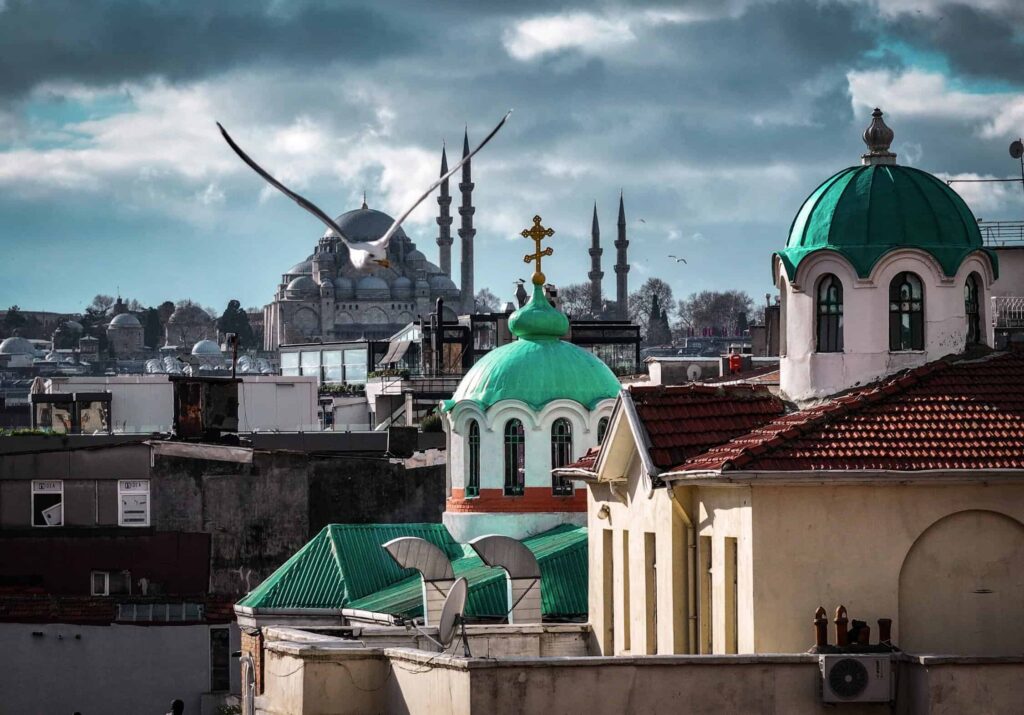
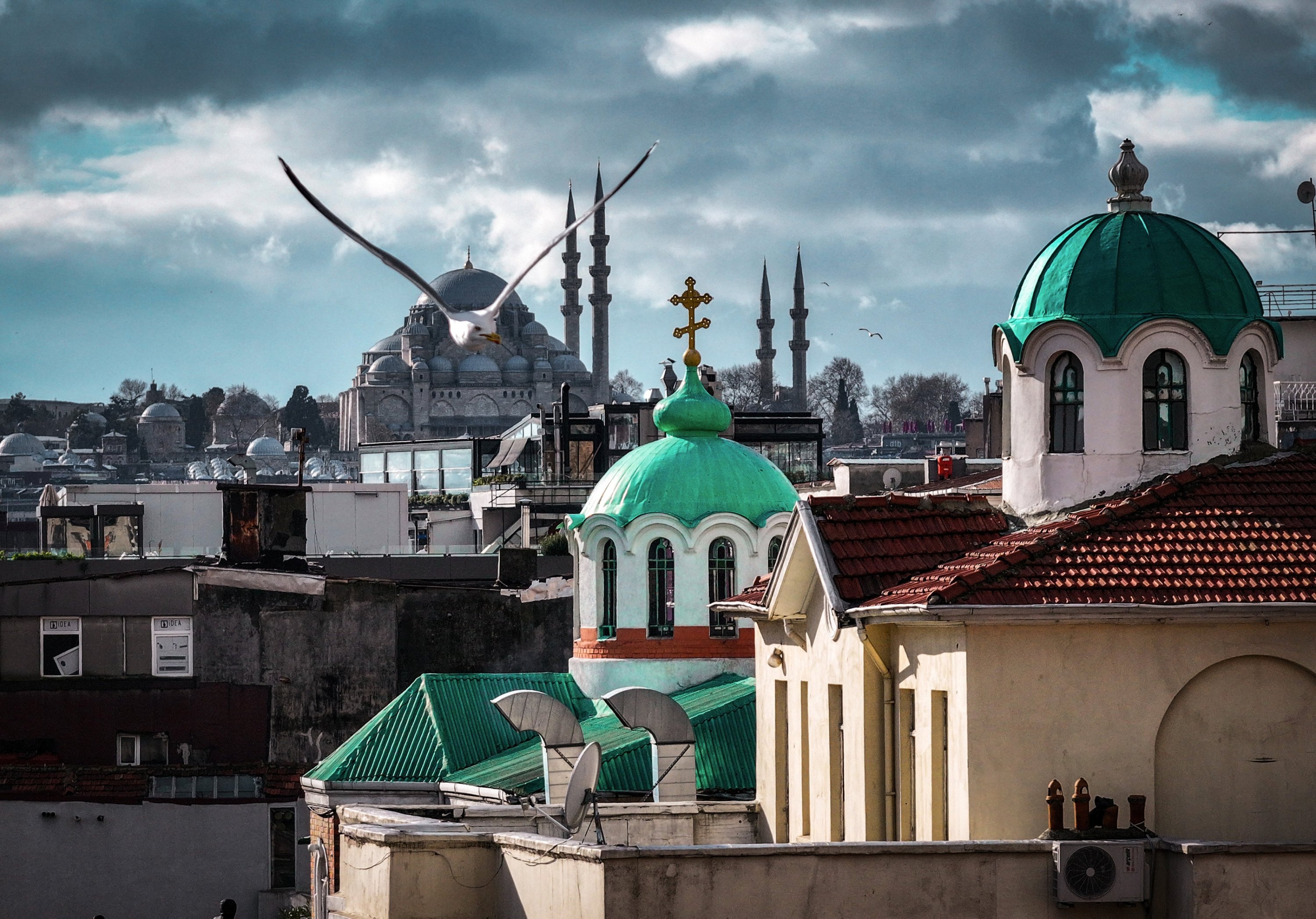
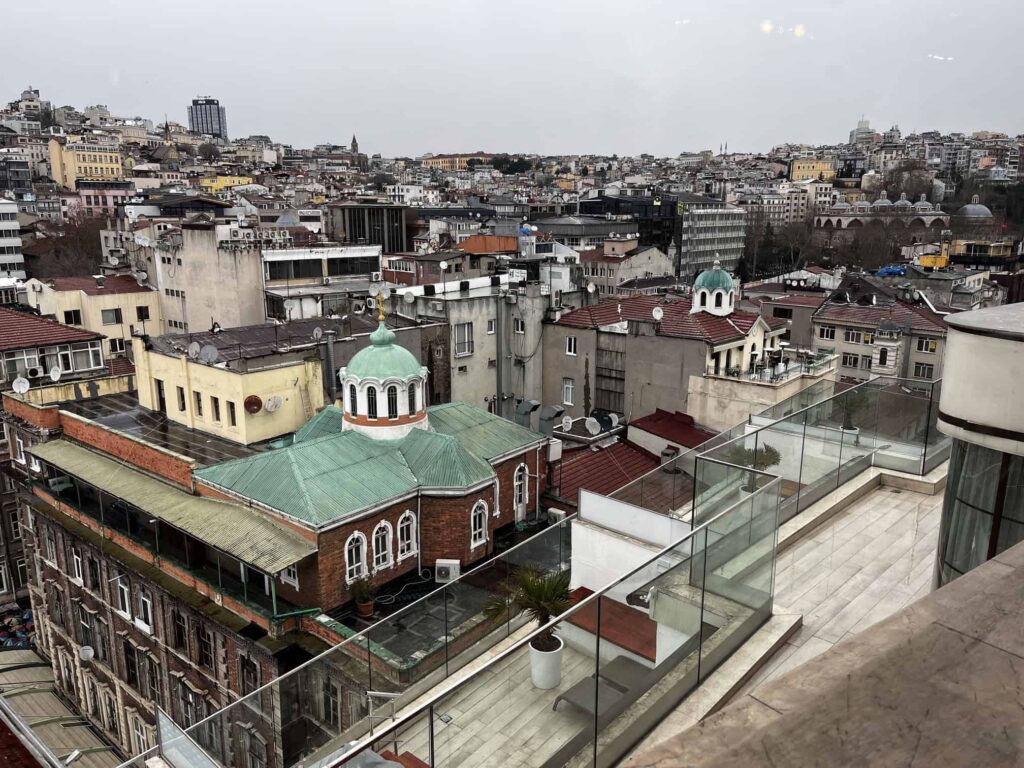
In Karaköy we focus on the rooftops—literally. We explore the story of “roof churches” and chapel spaces built for Orthodox pilgrims and later entangled with émigré life after 1917. This is where the tour becomes intimate: not just geopolitics, but survival, community, and faith practiced above the noise of the docks.
Key themes here
Why chapels ended up hidden in hans and upper floors
Pilgrimage routes and the infrastructure that supported them
White Russian exile life: mutual aid, worship, work, reinvention
What remains visible, what has vanished, and what is still quietly lived
12:30–13:00 — Transfer to Fener (Golden Horn route)
13:00–14:00 — Lunch in Fener
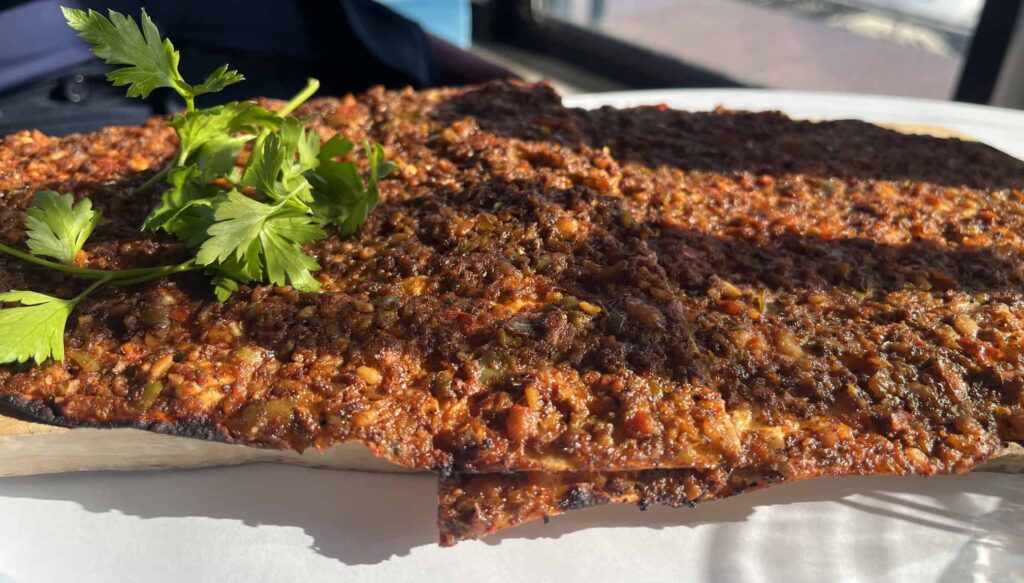
Lunch break at Forno or Fındık Kabuğunda Köfte (depending on seating and pace). Over lunch we connect the morning’s threads: how empires shape minority lives, how exile changes a city, and how Orthodoxy functions as both faith and social infrastructure.
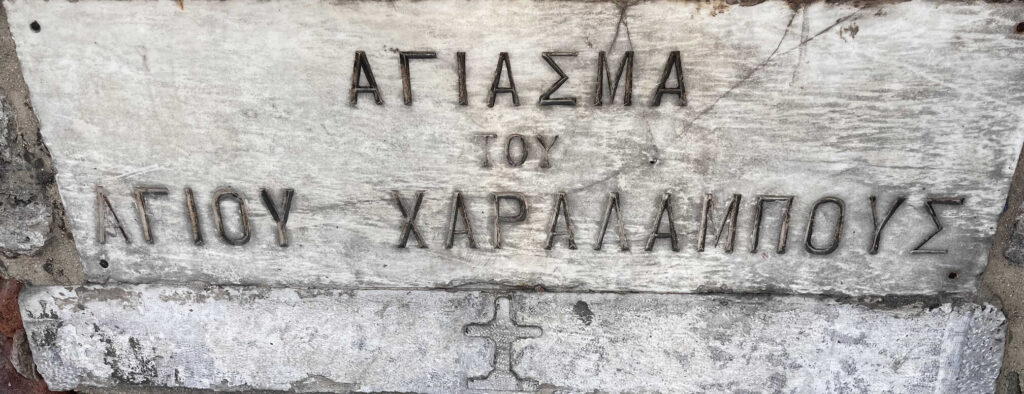
14:00–14:45 — Fener: Orthodox Constantinople as context
After lunch we walk in Fener to ground the Russian story inside Constantinople’s broader Orthodox landscape. This portion clarifies a crucial point: Russian pilgrims and émigrés didn’t arrive into a vacuum—they plugged into an older, layered Orthodox world already rooted in the city.
Key themes here
Constantinople’s Orthodox continuity and everyday religious life
Community boundaries, languages, and overlapping identities
How “foreign” Orthodox communities relate to local Orthodox institutions
14:45–15:15 — To the pier: setting up the Bosphorus reading
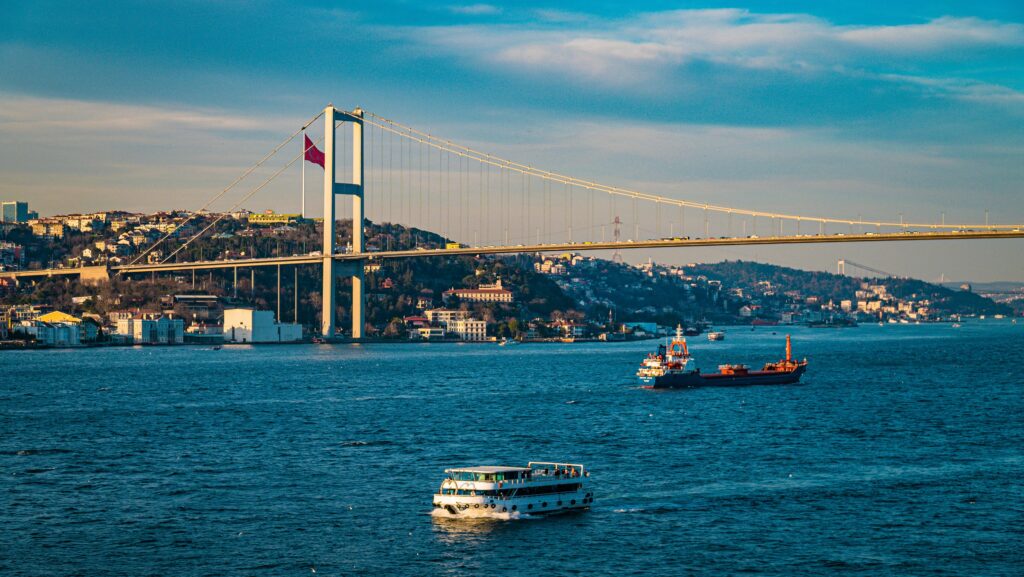
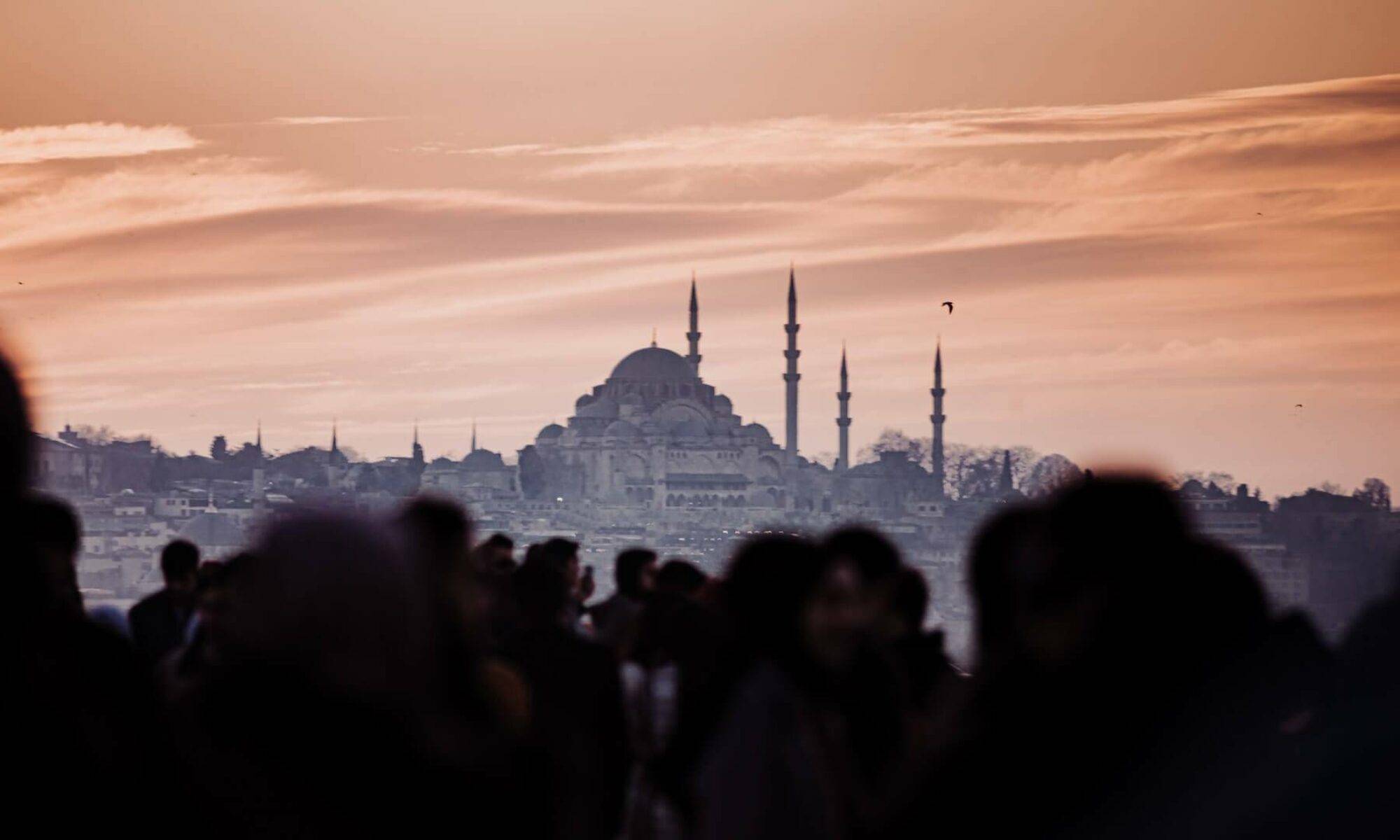
We head to the ferry and introduce the afternoon’s method: reading the Bosphorus shoreline as a map of diplomacy, prestige, and security. The waterway isn’t just scenic—it’s a political corridor.
A Final Taste: As we cruise, we discuss Baylan Pastanesi. Though local, Baylan was the successor to the “European-Russian” cafe culture, famous for its Likörlü Çikolata (liquor chocolates) and refined treats that the Russian émigrés helped popularize among Istanbul’s 20th-century elite.
15:15–16:45 — Public ferry up the Bosphorus: waterfront power and Russian footprints
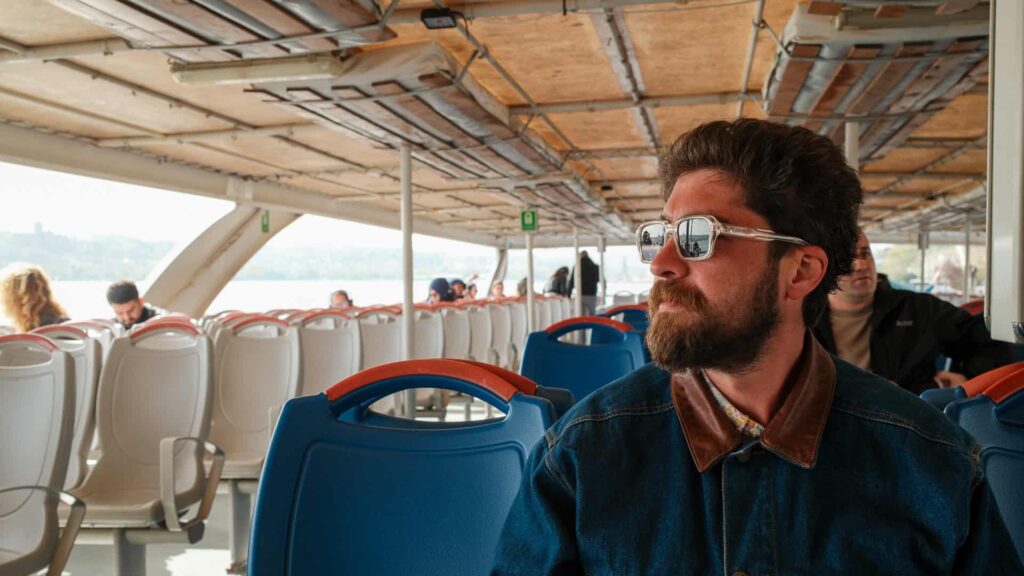
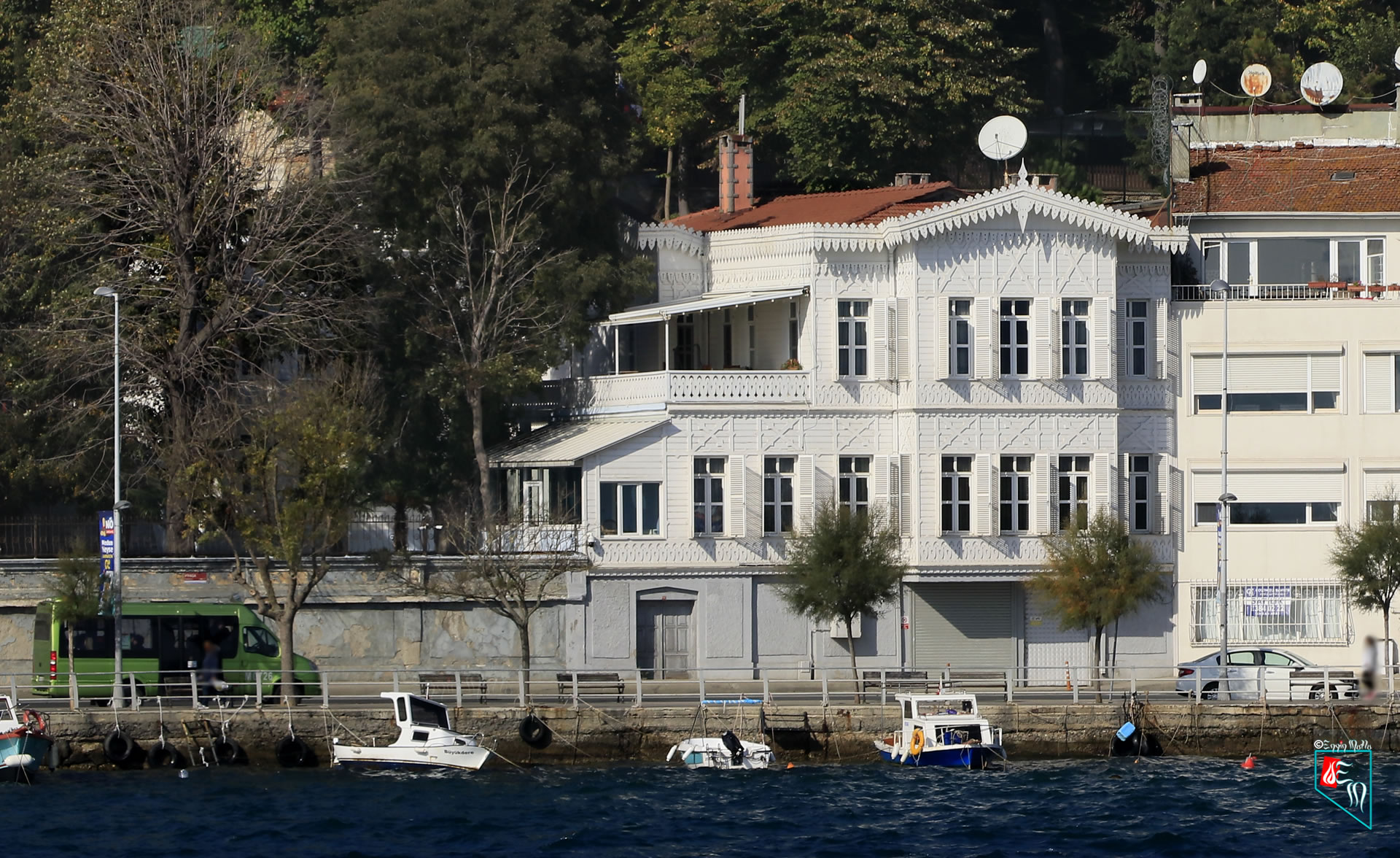
On the ferry we trace the logic of waterfront properties: summer residences, consular networks, and why foreign missions gravitated to particular stretches of the Bosphorus. We use the ride to connect 19th-century imperial practice to contemporary geopolitics—how states “present” themselves abroad, how visibility and access matter, and how Istanbul remains a strategic stage.
Story beats on the water
Why the Bosphorus became a diplomatic and elite landscape
The seasonal life of embassies and foreign communities
From imperial rivalry to modern influence: continuity and change
16:45–17:00 — Wrap-up on the shore: what the city teaches when you follow one thread
We disembark and close the day by looping back to the opening question: what does “Russian Istanbul” mean when you look beyond headlines and into lived spaces—rooftops, side streets, and shorelines?


:max_bytes(150000):strip_icc()/russian-spice-cookies-pryaniki-recipe-1137299-hero-01-5e2da5da469f41439937b790fa6d7a06.jpg)