Escaping the brutal daytime heat of summer to explore illuminated ancient monuments is no longer a dream. Türkiye’s official Gece Müzeciliği initiative extends opening hours across 20 iconic historical sites. Here is your definitive, logistical roadmap to experiencing the country’s greatest treasures under the stars.
Table of Contents
What is the Gece Müzeciliği Program?
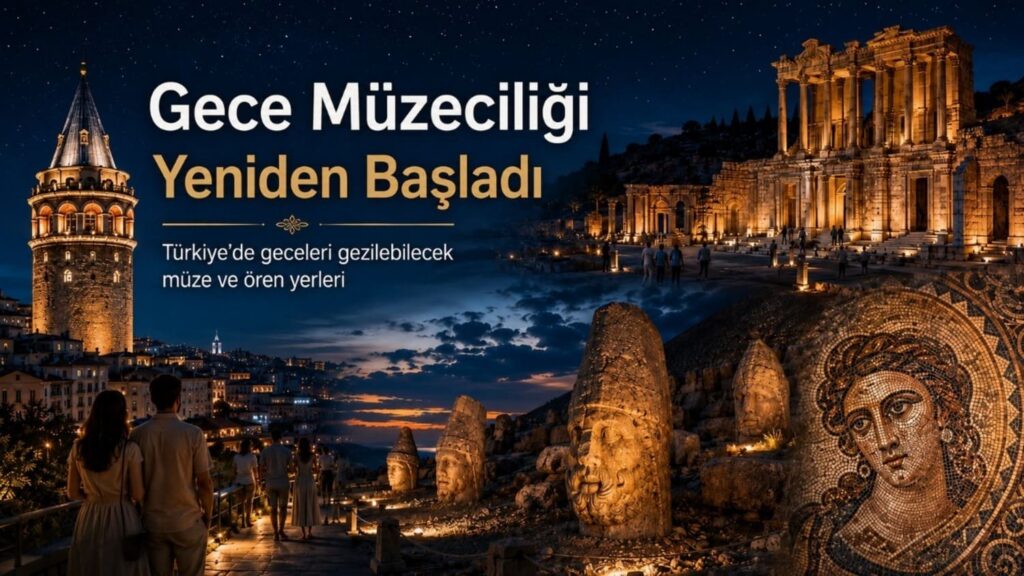
The Gece Müzeciliği initiative is an official program by the Ministry of Culture and Tourism that extends the hours of key historic landmarks late into the evening from June 1 to October 1. Designed to help travelers escape the brutal 40°C+ summer heat of the Mediterranean and Aegean regions, the program allows for exploration in the cool night air.
To bring these ancient sites to life after dark, the government has installed advanced, professionally engineered architectural LED lighting systems. This highlights structural details often washed out by the harsh midday sun, creating a dramatic and highly atmospheric viewing experience.
Operating under a specialized night-ticketing protocol separate from daytime hours, this initiative provides a safe, comfortable, and unforgettable path to experiencing Türkiye’s imperial monuments and open-air ruins under the stars.
Covered Places Across Türkiye
Türkiye’s night museum program turns summer travel into something cooler, calmer, and more atmospheric.
From Istanbul and Ankara to the Mediterranean, Aegean, Anatolian heartland, and southeast, major museums and archaeological sites now stay open after sunset, letting visitors explore ancient monuments under dramatic evening lights.
The Urban Hubs (Istanbul & Ankara)
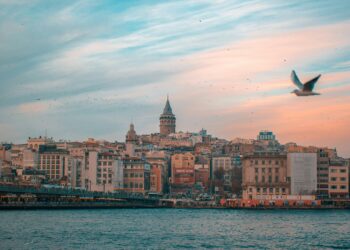
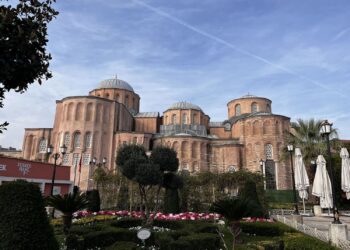
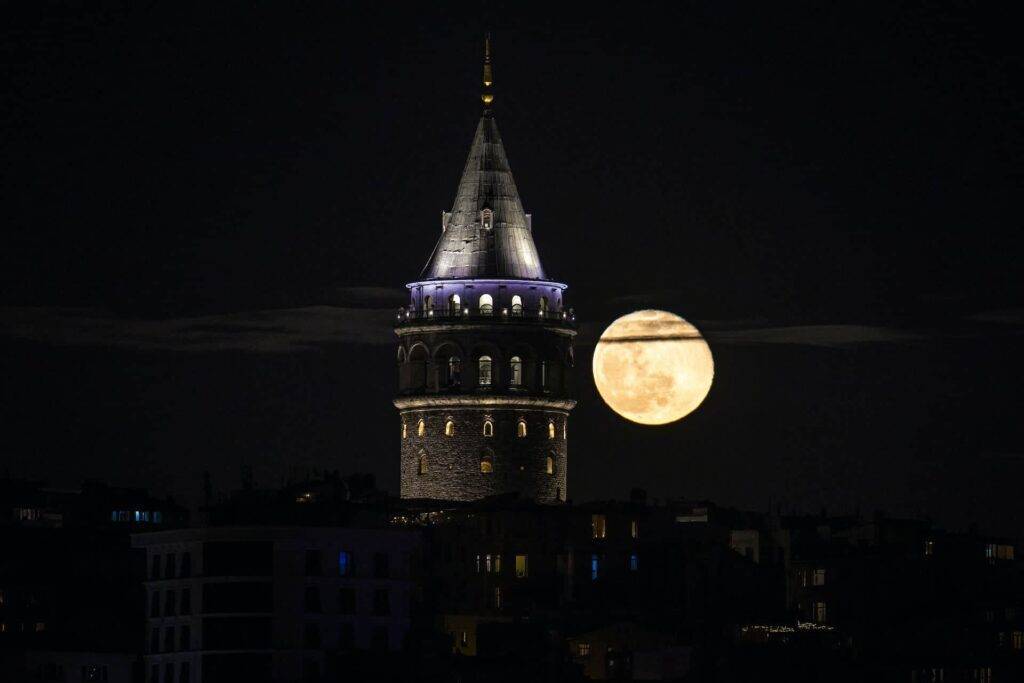
Exploring the historic centers of Türkiye’s major cities takes on a completely different atmosphere under the evening lights. In İstanbul, the historical peninsula and the hills of Galata quiet down as the day tours disperse, allowing night visitors to stroll through illuminated Byzantine and Ottoman heritages without the frantic daytime crowds.
Meanwhile, in Ankara, the cool evening breeze provides a comfortable climate for diving into the deeply rooted history of the region. Visiting these urban sites after dark offers a dramatic, intimate look at monuments that have stood for centuries, now beautifully highlighted by architectural lighting against the night sky.
It is the perfect way to combine a day of urban exploration with a sophisticated, peaceful evening of historical discovery.
The Riviera (The Antalya Coastline)
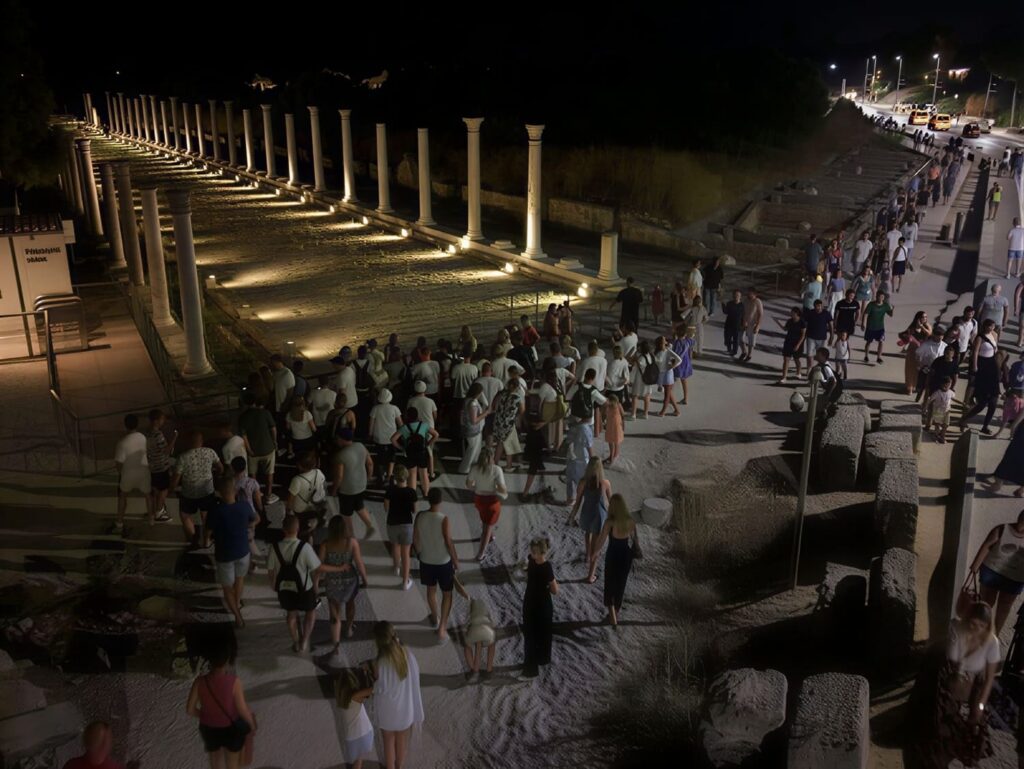
The southern coast of Türkiye is famous for its intense summer sun, making afternoon visits to open-air ruins a grueling experience. The night museum initiative completely transforms this region, allowing you to walk down ancient colonnaded avenues and step into massive Roman theaters long after the sun has dipped below the Mediterranean horizon.
Gentle sea breezes replace the stagnant daytime heat, creating a highly comfortable environment for exploring sprawling archaeological complexes. The professionally engineered LED lighting systems cast long shadows across ancient stonework, bringing out architectural textures and artistic details that are completely flattened by the harsh midday glare.
For anyone staying along the Riviera, these seaside night sessions offer a magical, atmospheric journey into classical antiquity without the sunblock and crowds.
Aegean Heritage (İzmir, Aydın & Muğla)
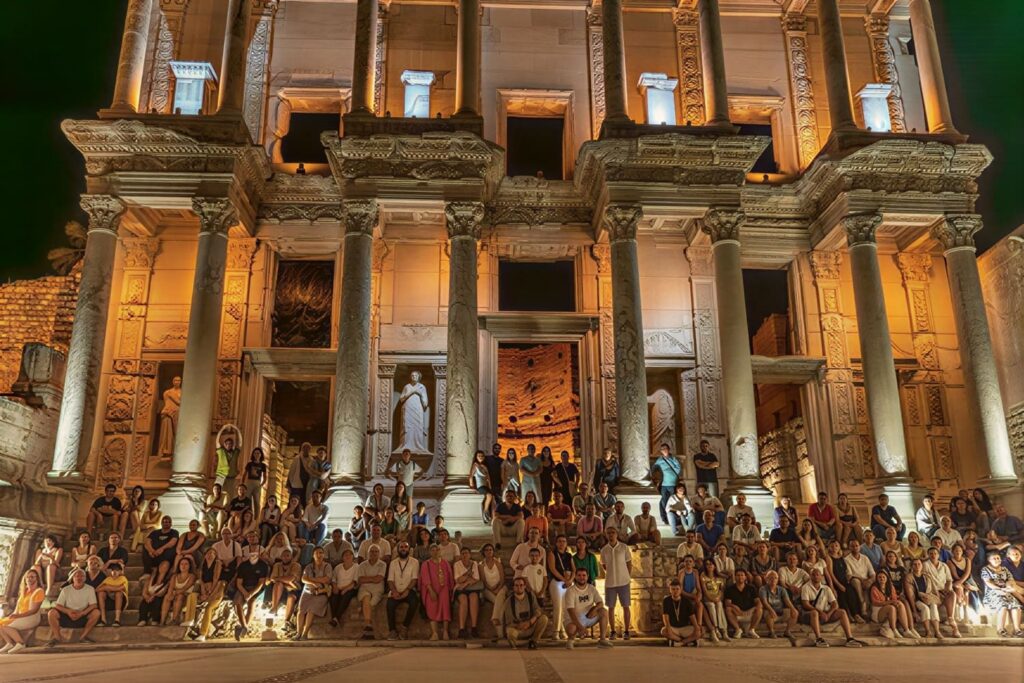
The western coast of Türkiye holds some of the most influential classical cities in human history, and experiencing them by moonlight is nothing short of theatrical. Walking through monumental gateways or standing before towering temple columns illuminated against the dark Aegean sky highlights the immense scale of these ancient structures.
The coastal breeze makes evening exploration incredibly pleasant, turning a standard historical tour into an evocative, sensory experience. Because these sites are spread across popular holiday destinations like Bodrum, Marmaris, and Kuşadası, they offer a perfect nighttime cultural escape after a day spent by the water.
The dramatic shadows and quiet paths allow you to appreciate the sheer engineering marvels of the ancient Greeks and Romans in a calm, contemplative setting.
The Heartland (Central & Eastern Anatolia)
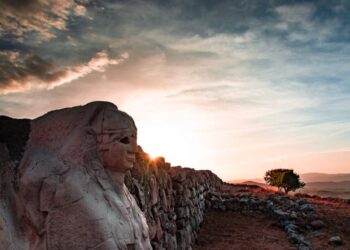
Moving inland toward the Anatolian heartland brings you to landscapes where history is carved directly into the earth and rocks. Nighttime in these regions offers a stark, beautiful contrast to the daytime experience, as the vast plains and volcanic valleys cool down significantly under the stars.
Exploring deep underground chambers or walking among monumental ancient burial grounds by night emphasizes the mysterious and sacred nature of these unique historic locations. The cool, crisp night air of the high altitude makes walking these expansive sites effortless compared to the dusty, hot daytime hours.
It provides an unforgettable perspective on how ancient civilizations adapted to and shaped the rugged topography of central and eastern Türkiye over millennia.
The Southeastern Mosaic Corridor (Gaziantep & Şanlıurfa)
The southeastern region of Türkiye is a cradle of early civilization, known for its rich cultural tapestry and incredibly hot summer climate. Visiting the world-class museums of this region during the evening hours allows you to marvel at thousands of square meters of masterfully preserved ancient Roman mosaics without enduring the intense daytime heatwaves.
The specialized indoor and outdoor lighting brings out the vivid colors and intricate details of millions of tiny stone tesserae, making the ancient mythological scenes practically come alive. The peaceful evening ambiance inside these grand museum halls offers a quiet space to absorb the immense historical weight of Mesopotamia and the surrounding plains.
It is an essential nighttime stop for heritage travelers looking to uncover the deep archaeological roots of the Upper Euphrates and Tigris basins.
Securing Your Entry: Night Tickets and Surcharges
Securing entry for an evening visit requires navigating a specialized ticketing structure distinct from standard daytime operations. Because the Gece Müzeciliği initiative functions as an independent operational shift, entry protocols and fees are determined directly by your citizenship status and credentials.
For international independent travelers, standard daytime museum passes—such as the generic multi-day regional passes—do not include late-night admission. International visitors must purchase a dedicated single-entry night ticket specifically allocated for after-hours access, which is available both at the gate windows and through certified online ticketing channels.
Key Operational Rules
To avoid being stranded at the gates of an ancient monument, travelers must carefully plan their arrivals around strict site protocols.
- The 45-Minute Gate Rule: Across all participating properties, physical ticket booths and security turnstiles shut down exactly 30 to 45 minutes prior to the official closing time of the site. For instance, if an archaeological site turns off its lights at 22:00, entry will be strictly denied past 21:15, even if you already hold a pre-purchased electronic ticket.
- Non-Uniform Weekly Schedules: Operating days vary by location. Major destinations like Efes do not run a daily night schedule, restricting their after-hours entry exclusively to Wednesday, Thursday, Friday, and Saturday nights.
- Free Admission Exceptions: Certain open-air historical properties operate under entirely different rules. The sprawling medieval Ahlat Selçuklu Mezarlığı in Bitlis is exempt from standard fee structures, remaining open until 21:00 with completely free admission for all visitors.
Frequently Asked Questions
What are the exact hours for night visiting?
While standard daytime hours conclude around 18:30 or 18:45, the night shift begins promptly at 19:00. Closing times vary depending on the location; many prominent archaeology museums and indoor sites remain open until 21:00 or 22:00, while larger open-air complexes like Hierapolis and Galata Kulesi regularly host visitors until 23:00.
Can I buy my night tickets in advance?
Yes. You can purchase your specialized night tickets or settle your Müzekart surcharges in advance. This can be handled digitally via the official MüzeKart website or through the Ministry of Culture and Tourism’s mobile application, allowing you to generate a secure QR entry code before arriving at the gates.
Are children and elderly visitors exempt from the night fees?
No. The standard daytime exemptions do not apply to the Gece Müzeciliği shift. Because night sessions are classified as a specialized operational window, all visitors—regardless of age, student status, or standard daytime fee exemptions—must possess a dedicated night ticket or pay the mandatory surcharge to pass through security.
Can I stay inside the site from day to night on a single ticket?
No, the two operational periods are kept entirely distinct. Once standard daytime hours conclude at 18:45, security staff clear the grounds to transition the site over to the night shift. Daytime ticket holders must exit the premises, and anyone wishing to re-enter for the evening session must present a valid night admission voucher after 19:00.
Get in Touch for Guided Visit
Exploring these historic sites under the evening stars is an entirely different experience, but navigating their immense history requires the right context.
If you want to maximize your evening, skip the lines, and uncover the deep architectural and archaeological narratives behind these illuminated monuments, we can connect you with an expert local guide.
Please fill out the reservation inquiry form below to secure your private, guided night expedition: