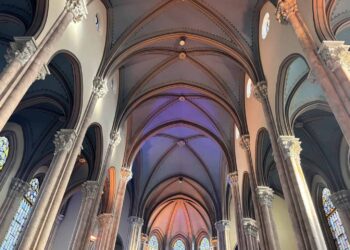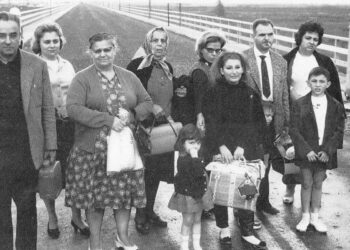
Hidden within the streets of Fener stands one of Istanbul’s most remarkable survivors. St. Mary of the Mongols is not just another Byzantine relic—it is the only church in the city that has remained continuously active since Byzantine times, carrying centuries of faith, history, and quiet resilience into the present day.
Table of Contents
Istanbul’s Last Living Byzantine Church
In a city where most Byzantine churches were transformed, rebuilt, or lost over time, St Mary of the Mongols stands as a rare and remarkable exception. Tucked within the historic streets of Fener, this modest yet powerful site has remained in continuous Christian use since its foundation. Its survival is not just architectural—it reflects centuries of negotiation, protection, and community presence that allowed it to endure while others changed function or disappeared entirely.
More than a monument, it represents continuity in a city defined by transformation, offering a rare window into a Byzantine world that adapted rather than vanished, and continues to exist quietly within modern Istanbul.
Behind the grandeur of Byzantium lies a lesser-known truth: many of its most powerful rulers were of Armenian origin. From generals to emperors, Armenians helped shape Constantinople’s political and cultural life. This article explores their influence and the lasting mark they left on the Byzantine world.
This article explores the story behind that survival, moving through layers of imperial diplomacy, monastic life, destruction, and renewal across centuries. From its founding by a Byzantine princess to its endurance through fires, political shifts, and social upheaval, the church reflects a much broader narrative of resilience of the Rum people.
A Princess Between Empires

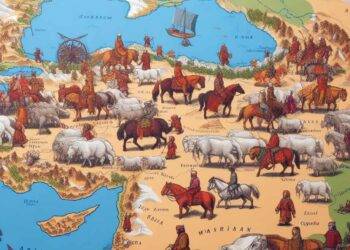
The story begins not in Istanbul, but in the vast political landscape of the 13th century. Byzantine emperor Michael VIII Palaiologos, seeking alliances, sent his daughter Maria eastward to marry Hulagu Khan of the Mongol Ilkhanate. By the time she arrived, Hulagu had died, and she instead married his son Abaqa, preserving a fragile but crucial diplomatic link between two powerful worlds.
After years marked by uncertainty and political tension, Maria returned to Constantinople as a wealthy widow. Known thereafter as “the Mongol Lady,” she carried both status and influence. Her story reflects the broader Byzantine strategy of survival—leveraging diplomacy and marriage in a time when military strength alone was no longer enough to secure the empire’s future.
A Church Born from Power and Devotion

Upon her return, Maria Palaiologina turned her attention to religious life, founding a convent and church dedicated to the Theotokos. Over time, the identity of the founder became inseparable from the building itself, giving rise to the name Panagia Mouchliotissa—“Mary of the Mongols.” This shift reflects how personal legacy and sacred space merged in late Byzantium.
The convent was not symbolic; it was substantial. Endowed with land and resources, it supported a community of nuns and functioned as a spiritual and economic institution. Maria herself retired there, transforming the church into both a personal sanctuary and a lasting contribution to the religious fabric of the city.
A Building That Refused to Disappear
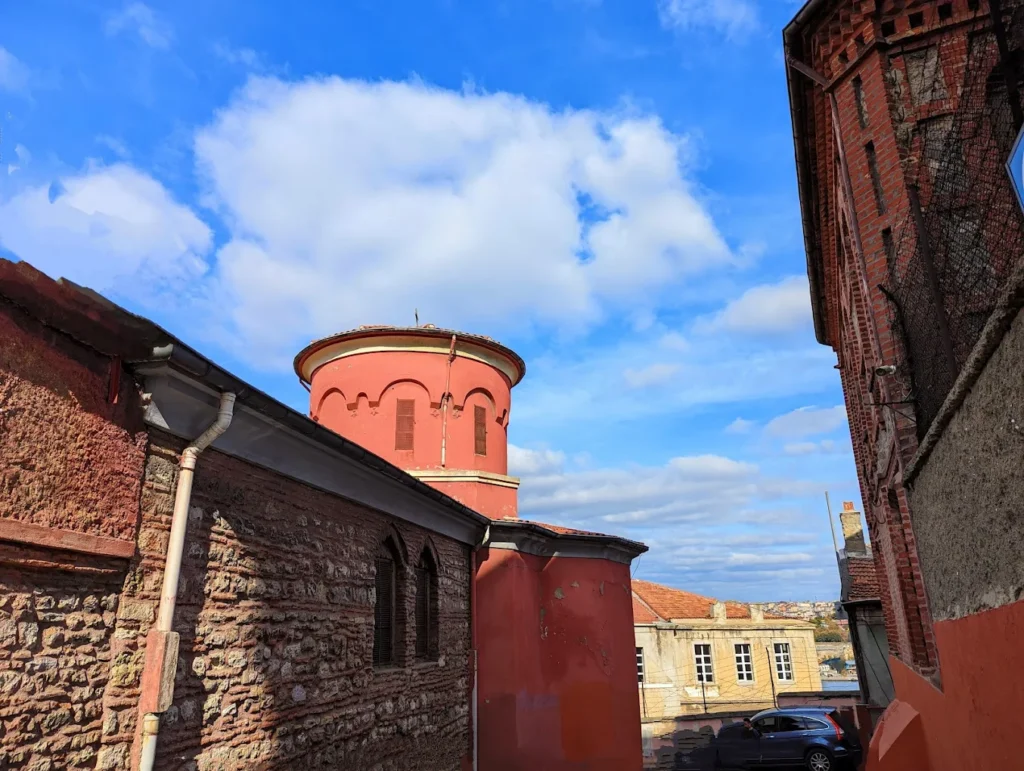
Architecturally, the church tells a story of adaptation rather than preservation. Originally built as a compact Byzantine structure, it expanded over time with additions that altered its symmetry and form. Fires, particularly in the Ottoman period, repeatedly damaged the building, forcing reconstruction and change rather than careful restoration.
Unlike Hagia Sophia or Chora, this church never benefited from conversion into a mosque, which often ensured structural maintenance and preservation of art under plaster. As a result, many original mosaics and frescoes were lost. What remains today is layered—icons, fragments, and traces that together reflect survival through transformation rather than static preservation.
Why This Church Was Never Converted

Also known as the Bloody Church, the survival of St Mary of the Mongols raises a fundamental question: why this church, when so many others were converted? Tradition suggests that Sultan Mehmed II granted it to a Christian architect as a reward, formalized through an imperial decree that is still preserved inside.
The Church of St. Mary of the Mongols in Fener is also commonly known in Turkish as Kanlı Kilise, meaning “Bloody Church.” One important nuance: the nickname’s exact origin is not fully settled. Some accounts connect it to bloodshed during the Ottoman conquest in the area, while others give different local explanations.
While historians debate the accuracy of this story, the church’s location in Fener—long a stronghold of the Greek Orthodox community—played a decisive role. It became a protected and defended space, rooted in a living community that ensured its continuity. Whether through decree or circumstance, the result remains unique in Istanbul’s historical landscape.
Why St Mary of the Mongols Still Matters?
The Bloody Church is not defined by scale or grandeur, but by continuity. It stands as a rare, unbroken thread linking Byzantine Constantinople directly to modern Istanbul, offering a living example of how faith, identity, and community can endure across centuries of political upheaval and cultural transformation. Within its modest walls, layers of history coexist quietly, revealing how survival is often less about preservation in its purest form and more about adaptation, resilience, and the ability to remain relevant within a constantly shifting urban and imperial landscape.
In a city shaped by conquest, conversion, and reinvention, St Mary of the Mongols represents something exceptionally rare: continuity without interruption. While other monuments changed function or identity, this church retained its purpose, supported by the persistence of its community and the unique circumstances surrounding it. It reflects not only religious devotion, but also the broader dynamics of tolerance, negotiation, and local protection that allowed it to endure. This makes it one of Istanbul’s most meaningful yet understated landmarks, offering a deeper understanding of the city’s layered past.
Practical Information for Visiting
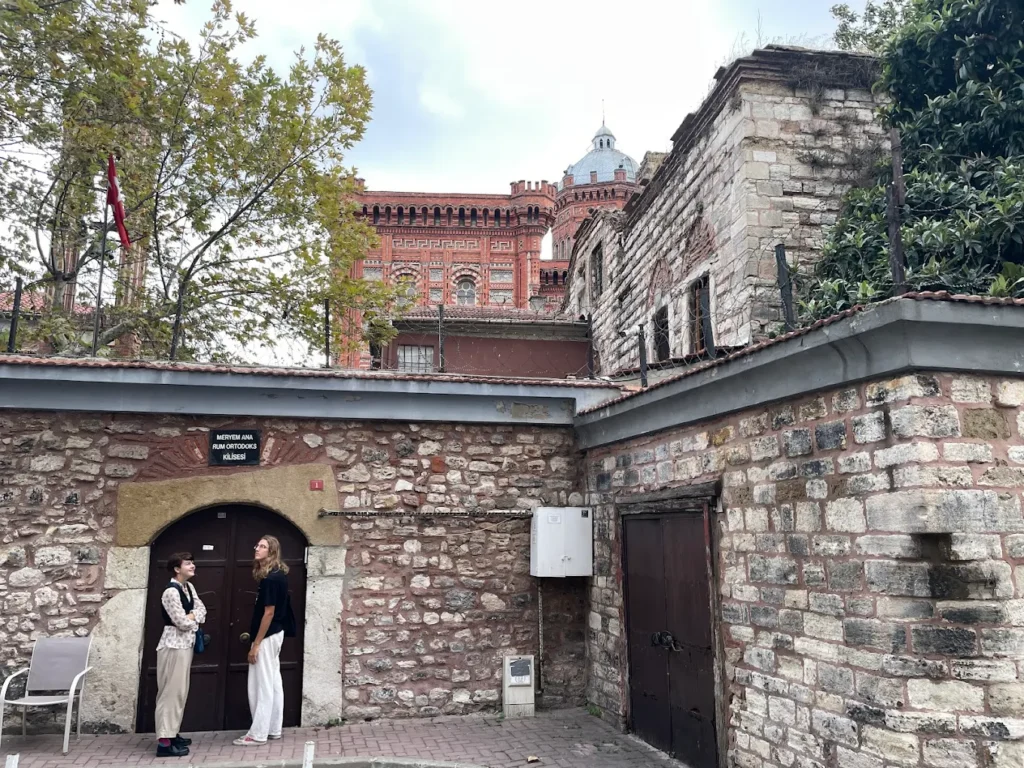
- Location: St Mary of the Mongols is located in the historic Fener district, tucked within narrow streets overlooking the Golden Horn. The area is residential and layered with Byzantine and Ottoman heritage, making it more meaningful when explored as part of a broader Fener and Balat walk.
- Tickets: Entry is typically free, as the church is an active place of worship rather than a museum. However, access is not guaranteed without prior arrangement, and visiting hours are informal and dependent on community use, prayer times, or local conditions.
- Dress Code: Modest clothing is required when visiting. Shoulders and knees should be covered, and visitors are expected to behave respectfully, maintaining silence and awareness as the space continues to function as a living church.
Optional Add-Ons
Premium Transportation from your Hotel
Travel in comfort and style with our premium Mercedes Vito transfers, complete with an dedicated driver.
Whether you’re heading to historical sites, tours, or special experiences, we ensure a smooth, reliable, and private journey directly from your hotel to your destination. Enjoy a stress-free start to your day while we handle the logistics.
Specialized Professional Guide
Enhance your experience with a specialized professional tour guide who brings each site to life. With expert knowledge, local insights, and English fluency, your guide ensures you understand the history, culture, and hidden stories behind every landmark. Enjoy a personalized, engaging, and informative tour from start to finish.
Dine in at Michelin 5 star Restaurant
Savor an unforgettable culinary experience at one of Istanbul’s 5-star Michelin restaurants. Enjoy expertly crafted dishes, exquisite flavors, and impeccable service in a luxurious setting, making your meal not just dinner but a memorable highlight of your journey.
Final Note — and an Invitation
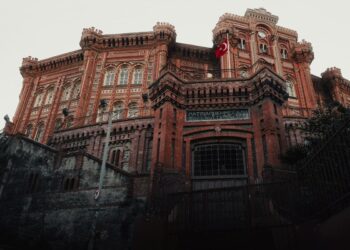
Our team at The Other Tour has spent years helping travelers uncover Istanbul’s lesser-known stories, but few sites capture the city’s layered identity like St Mary of the Mongols. It embodies diplomacy, devotion, fire, survival, and community resilience — all in a single crimson-painted church tucked into Fener’s winding streets. Collaborating with storytellers like Robin Pearson — whose video inspired this article — adds even more depth to the experience.
If you’d like to visit this church on your next trip to Istanbul, or explore more Byzantine sites both famous and hidden, we’d be delighted to help plan your journey. Please fill the form below to get in touch and start arranging your private, personalized visit.