• About
    • Introduction
    • Explore The Other Tour
    • 2026 Itinerary of The Other Tour Istanbul
    • Common Questions Answered
    • The Other Tour Reviews
    • About Us
  • Tour Guide
    • Istanbul
    • Cappadocia
    • Ephesus
    • Mediterranean
      • Antalya
    • Central Anatolia
      • Ankara
  • Daily Tours
    • Istanbul
    • Cappadocia
    • Antalya
    • Izmir
  • Istanbul
    • Attractions
    • Tours
    • Neighborhoods
    • Eat & Drink
    • Stay
    • Shop
  • Turkey
    • Turkey Tours
    • Destinations
    • Istanbul
    • Cappadocia
    • Ephesus
    • Pamukkale
    • Antalya
    • Bodrum
  • Services
    • Private Tours
    • Daily City Tours
    • Made-to-order Travel
    • Hire a tour guide
    • Unique Activities
    • Airport Transfers
    • Hotel Selection
    • Vacation Booking
    • Corporate Group Tours
    • Culinary Tours
    • Event Planning
    • Istanbul Layover Tours
    • Family Time
  • Blog
    • TOP 5 ISTANBUL
    • Events
    • Documentary
    • History
    • News
    • All
  • Contact
No Result
View All Result
  • About
    • Introduction
    • Explore The Other Tour
    • 2026 Itinerary of The Other Tour Istanbul
    • Common Questions Answered
    • The Other Tour Reviews
    • About Us
  • Tour Guide
    • Istanbul
    • Cappadocia
    • Ephesus
    • Mediterranean
      • Antalya
    • Central Anatolia
      • Ankara
  • Daily Tours
    • Istanbul
    • Cappadocia
    • Antalya
    • Izmir
  • Istanbul
    • Attractions
    • Tours
    • Neighborhoods
    • Eat & Drink
    • Stay
    • Shop
  • Turkey
    • Turkey Tours
    • Destinations
    • Istanbul
    • Cappadocia
    • Ephesus
    • Pamukkale
    • Antalya
    • Bodrum
  • Services
    • Private Tours
    • Daily City Tours
    • Made-to-order Travel
    • Hire a tour guide
    • Unique Activities
    • Airport Transfers
    • Hotel Selection
    • Vacation Booking
    • Corporate Group Tours
    • Culinary Tours
    • Event Planning
    • Istanbul Layover Tours
    • Family Time
  • Blog
    • TOP 5 ISTANBUL
    • Events
    • Documentary
    • History
    • News
    • All
  • Contact
No Result
View All Result

Mehmet Özdoğan: The Man Who Mapped Türkiye’s Deep Past

A biographical tribute to the prehistorian who placed Anatolia at the center of human origins

TheOtherTour by TheOtherTour
August 6, 2026
in Anatolia Archaeology, Documentary, History, Mesopotamia
Reading Time: 13 mins read
A A
0

Travelers arrive in Turkey chasing “history” with the same short list: Hagia Sophia, Ephesus, Cappadocia, Göbeklitepe. Few know the names behind that list — the people who spent decades in trenches and archives making it legible at all.

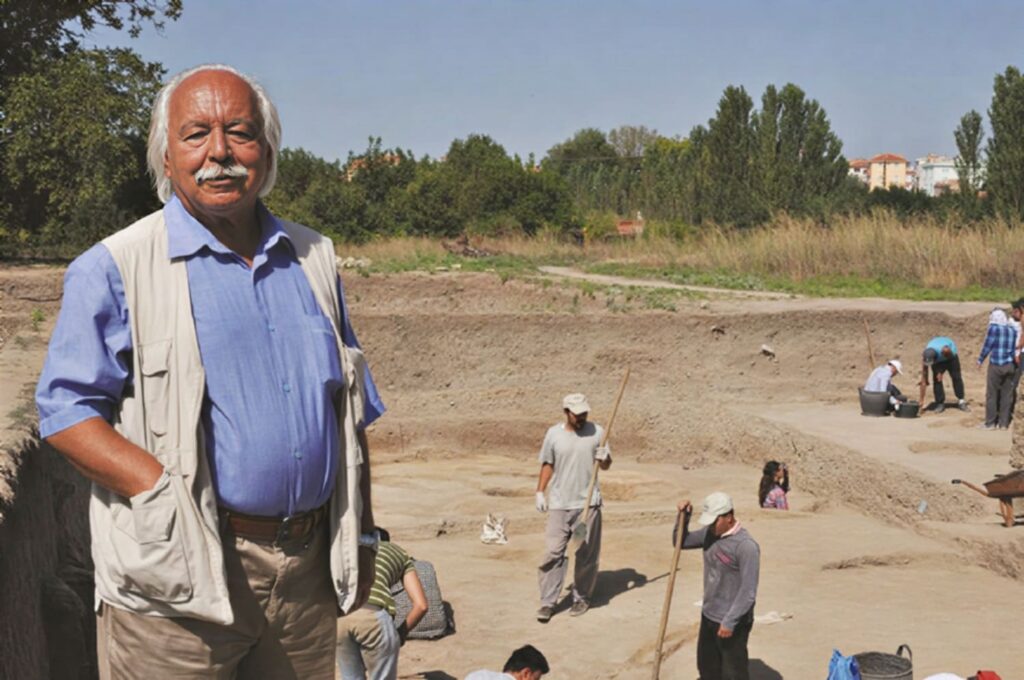
In Anatolian prehistory, the biggest of those names is Prof. Dr. Mehmet Özdoğan. For six decades he walked, surveyed, dug, taught and argued his way across Anatolia and Turkish Thrace. He was elected a foreign associate of the United States National Academy of Sciences, only the second Turkish scholar ever, and he trained the generation now running the country’s biggest digs. “Scholar” undersells him.

This is a tribute to that life, and to the country it helped rewrite.

Table of Contents

An Istanbul Childhood Between Two Worlds

Mehmet Özdoğan was born in Istanbul in 1943 and educated at the English High School for Boys (Nişantaşı Anatolian High School) and Robert College.

He grew up multilingual and later published just as comfortably in Turkish, English and German, as much at home in a tent camp in southeastern Anatolia as in a lecture hall in Berlin or Chicago.
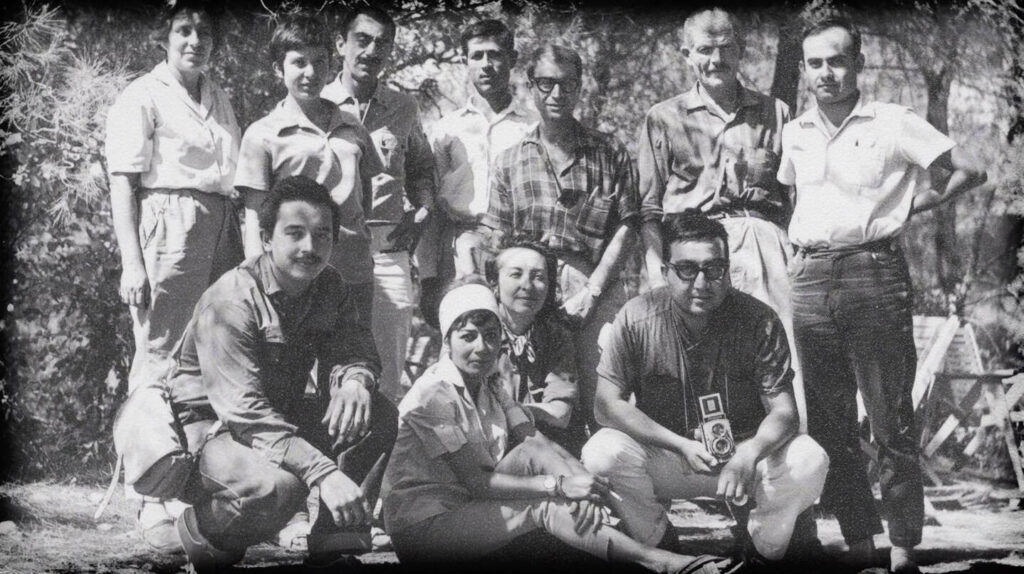
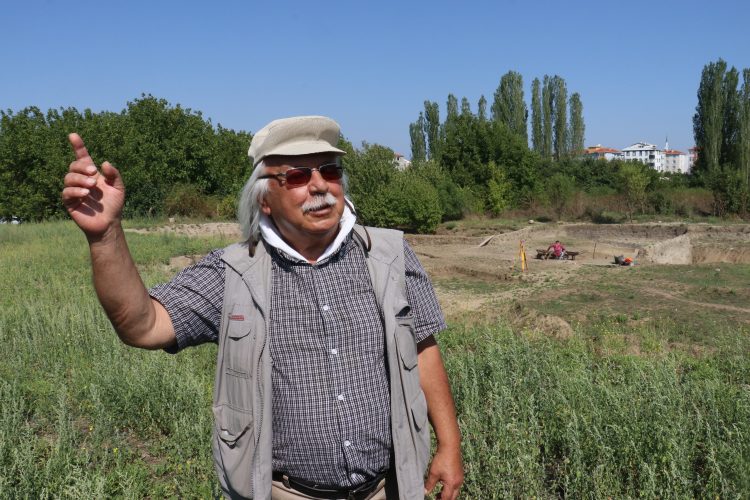
Mehmet Ozdogan - Early Years

In 1963 he enrolled at Istanbul University, chose Prehistory when the discipline split, and completed parallel programs in Near Eastern Archaeology, Social Anthropology and Physical Geography. That combination was unusual for the era, and it proved decisive: his later arguments about how Neolithic life spread needed all three toolkits at once.

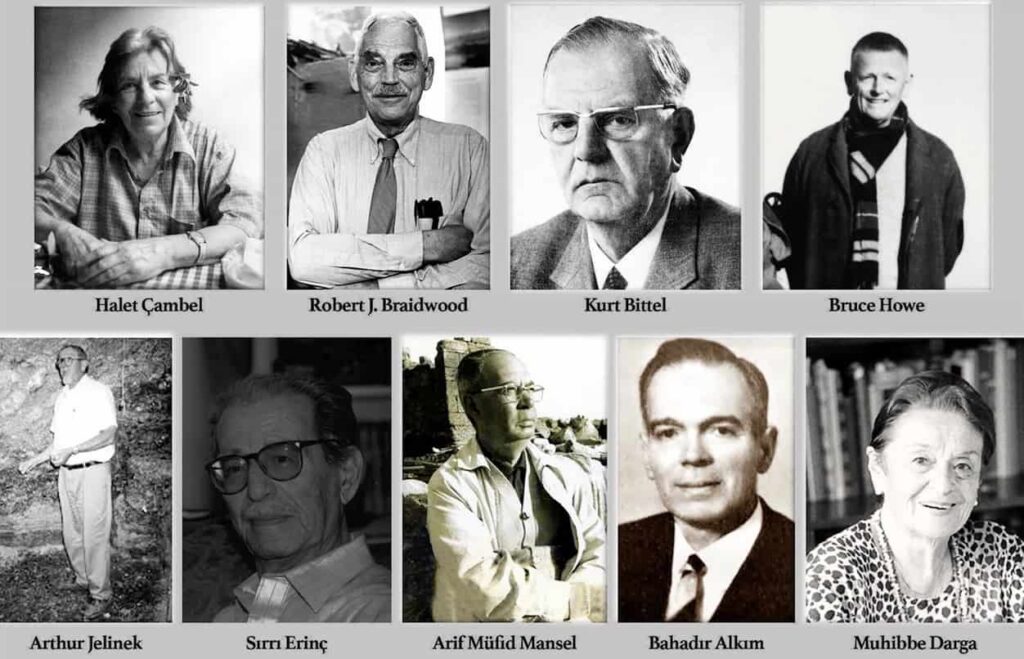
His teachers are now considered legendary. Halet Çambel supervised his doctorate. Kurt Bittel, excavator of Hittite Boğazköy, taught his classes. Robert Braidwood and Bruce Howe brought him into the Chicago school’s thinking on early village life.

He came of age in the most active decade Turkish archaeology had known, and he kept its sense of purpose for the rest of his life.
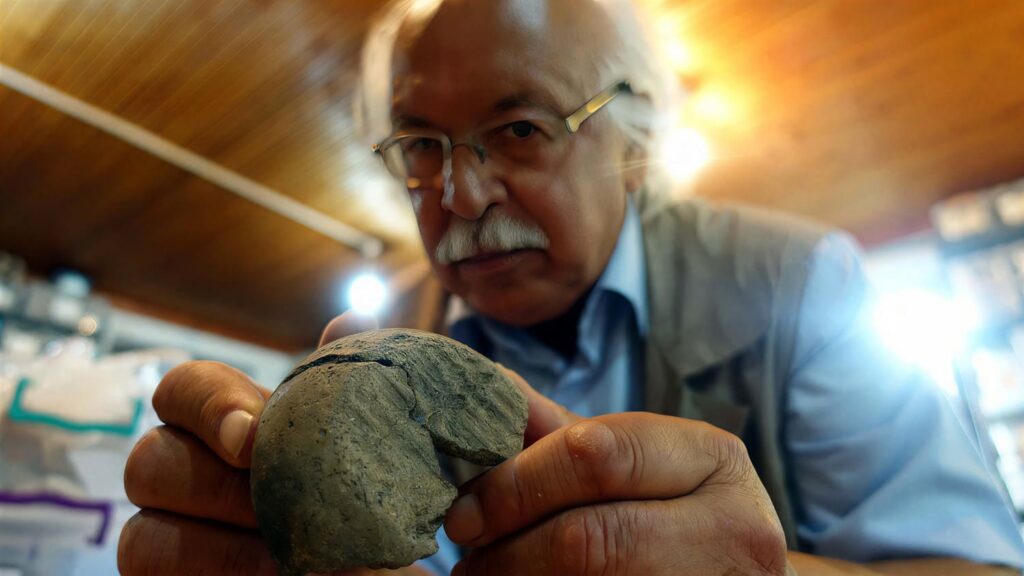
The Keban Years: A Generation Forms

Between 1968 and 1975 he excavated at Tepecik and Tülintepe on the Keban Project, the rescue campaign that mobilized Turkish and international teams ahead of the rising dam waters on the upper Euphrates.

Ask any senior Turkish archaeologist what shaped them and “Keban” is usually the answer: multi-team coordination, scientific rigor, and the conviction that salvage archaeology was a national responsibility, not second-class work.
His 1979 doctoral thesis, supervised by Halet Çambel, defined the Fikirtepe culture and resolved its dating problem — already the shape of the questions that would occupy him for life. He joined Istanbul University’s Prehistory chair in 1970 and retired in 2010 as head of the department.
Çayönü: A Career-Defining Site

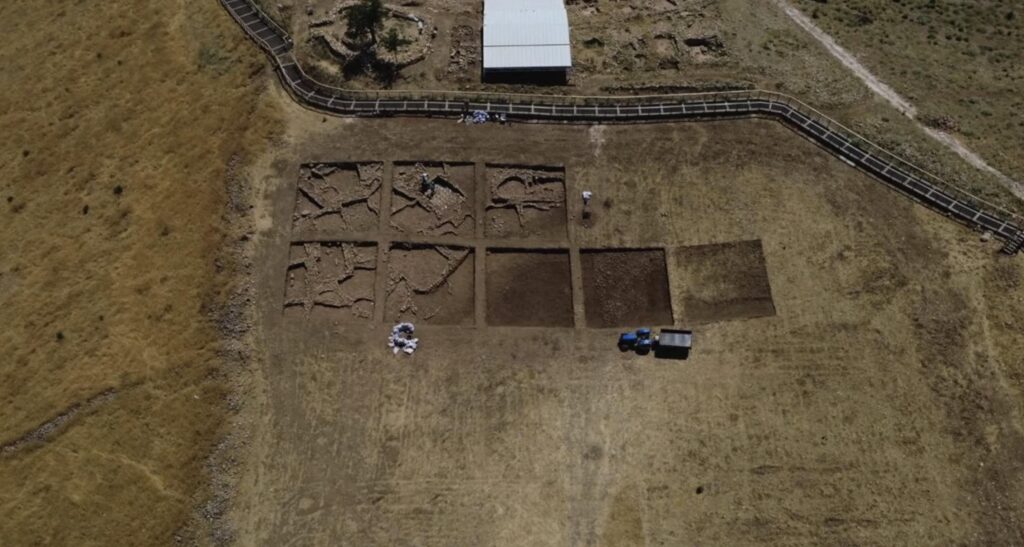
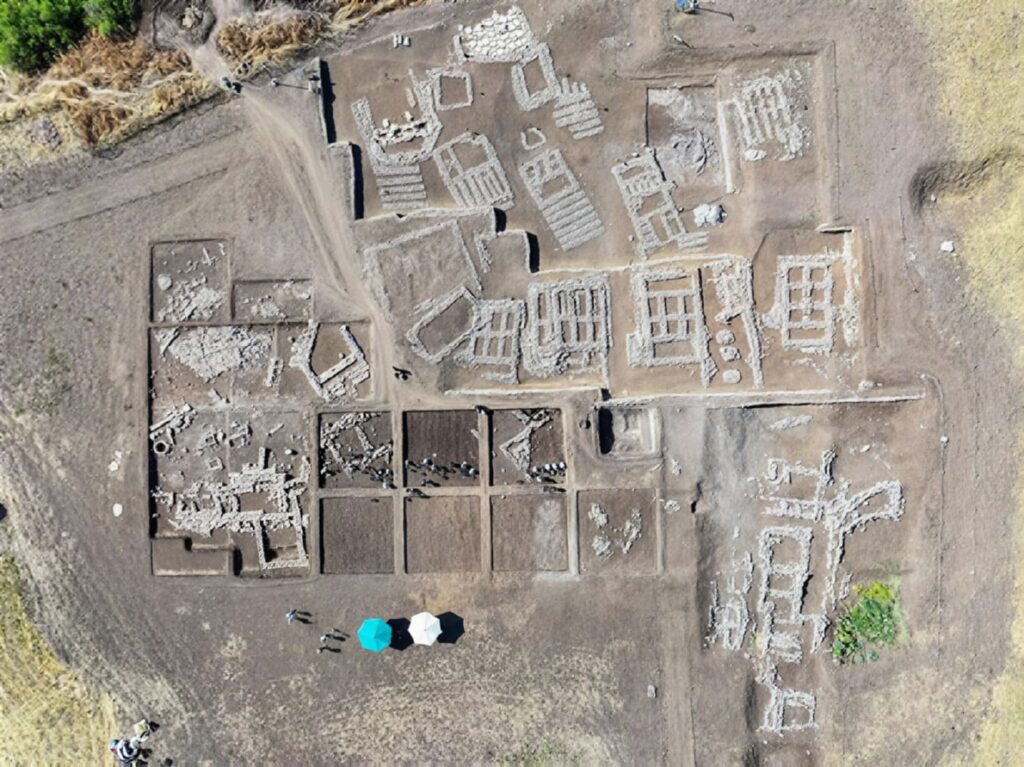
Aerial view of Çayönü Tepesi excavation showing grill-plan stone foundations, with archaeologists and umbrellas below
Cayonu Archaeological Site, Diyarbakir

In 1977 he led the survey of the future Karakaya and Atatürk Dam reservoir zones, where his team identified 552 archaeological sites. But the project that defined him is Çayönü, near Diyarbakır. Çayönü is one of the founding sites for understanding the Neolithic transition anywhere in Southwest Asia: the moment people stopped wandering and started building, farming, and inventing the households and rituals that would eventually scale into everything we call civilization.

Özdoğan became field director in 1978 and ran the project until 1991. Under him, Çayönü became the working model for an Anatolian excavation, with archaeobotanists, zooarchaeologists, geomorphologists and lithic specialists all working from the same table.

The protocols his team refined there became the de facto national standard for Turkish archaeology.

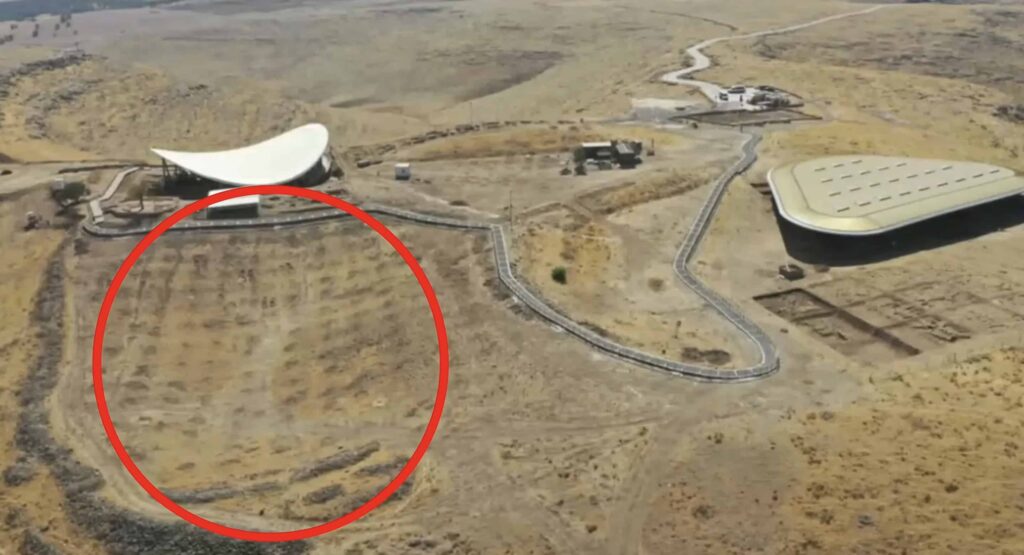
For travelers visiting the Taş Tepeler region today and standing before the pillars at Göbeklitepe, Karahantepe or Sayburç, it’s worth knowing his team largely wrote the methodological vocabulary of those sites. Stand at the fence line without that background and the pillars read as old stones.

Know the sequence he established and the same view becomes a timeline you can follow, which is most of what a good guide is for.
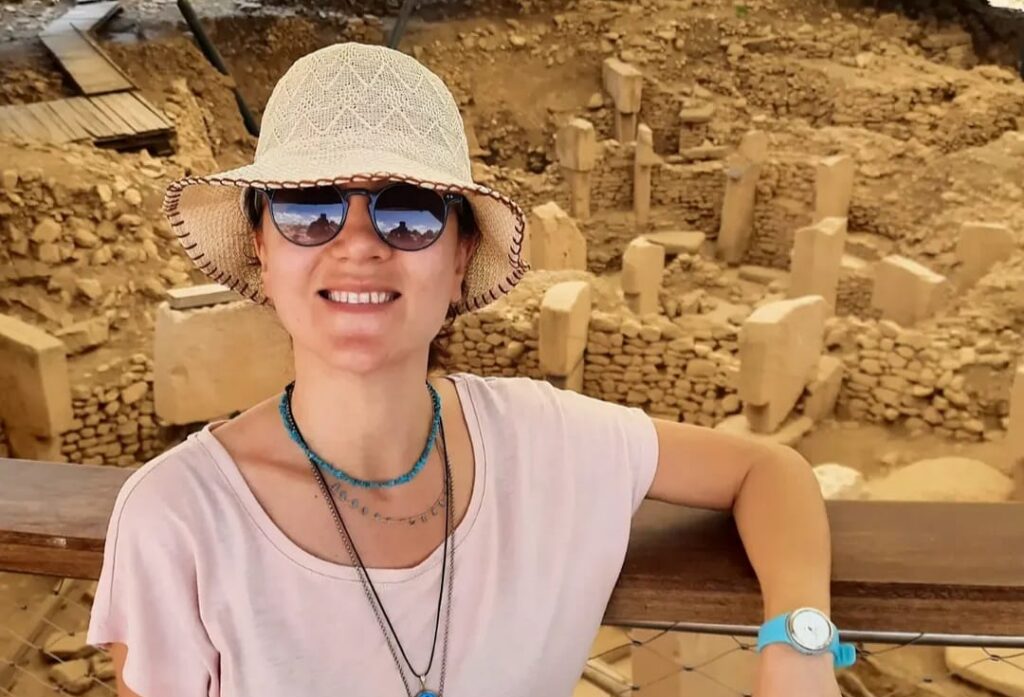
Betül Başak at the Göbeklitepe excavation with T-shaped pillars

THE GUIDE WHO DUG THE SITES FIRST

Walk These Sites With Betül Başak

Betül trained as an archaeologist before she became a licensed guide. A BA in Classical Archaeology, an MA in Art History, and field seasons in the trenches before she ever led a tour. She reads stratigraphy the way Özdoğan’s school taught it, which means the pillars stop being old stones and start being a sequence you can follow.

Meet Betül Başak

The Marmara Turn: Prehistory Comes Home

In the 1980s he turned to the region everyone else had skipped. Northwestern Anatolia and Turkish Thrace had barely been surveyed for prehistory, so he surveyed them himself, on foot. Hundreds of new sites turned up, and the Marmara region, long treated as a quiet backwater, revealed itself as a corridor of cultural complexity stretching from the Palaeolithic into the Iron Age.

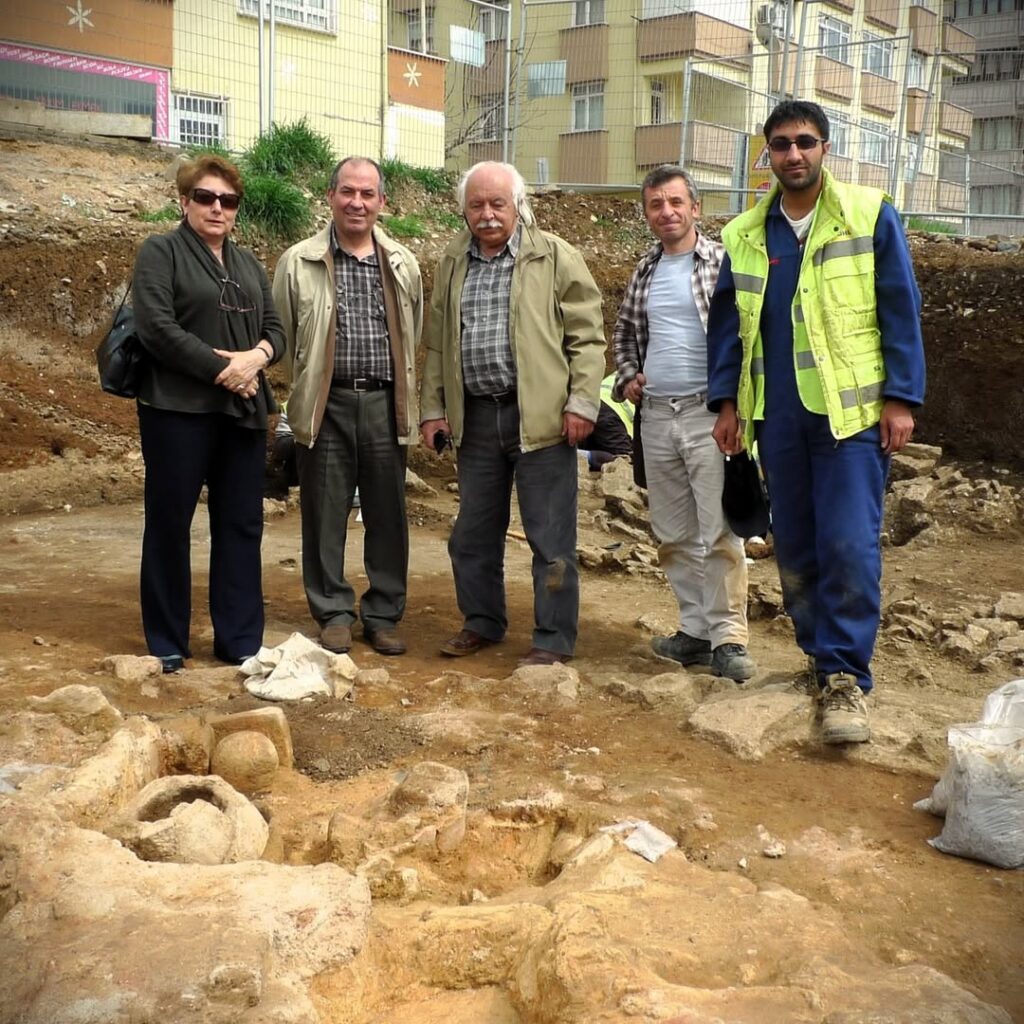
In 1986, his excavations at Yarımburgaz Cave on the city’s western edge produced finds dated to roughly 400,000 years ago, proof that Istanbul‘s deep history dwarfs the “two empires” story, as our Istanbul Beyond Myth feature explores.

KEEP READING: DEEP-TIME ISTANBUL

The City Before the Two Empires

Byzantine and Ottoman Istanbul are a footnote at Yarımburgaz’s timescale. Our Beyond the “Blind” Myth feature follows the city’s waterlines from a 400,000-year-old cave to the Neolithic shoreline under Yenikapı — the deep history Özdoğan helped prove was there all along.

Istanbul Beyond Myth

Together with his digs at Pendik, Toptepe and Hoca Çeşme near Edirne, Yarımburgaz let him reframe a central question of European prehistory: how did Neolithic life spread out of Anatolia into Europe?

His answer, built site by site, put migration, trade, knowledge transfer and adaptation in the same picture. That model is mainstream now. In the 1990s it was his alone.

Kırklareli: A Bridge Between Continents

In 1993, with Hermann Parzinger of the German Archaeological Institute, he launched the Kırklareli Project in Turkish Thrace. Aşağı Pınar produced an exceptional sequence on the beginnings of settled life in southeastern Europe. Kanlı Geçit, from the Early Bronze Age, turned out to be rarer still: the only known Anatolian colonial settlement in southeastern Europe.

The most lasting result was human, not stratigraphic. Over thirty years of fieldwork, Kırklareli became the training ground where graduate students from Turkish and European universities learned excavation face to face. Many of the rising names in Anatolian prehistory passed through it on their way up.

Özdoğan the Public Archaeologist

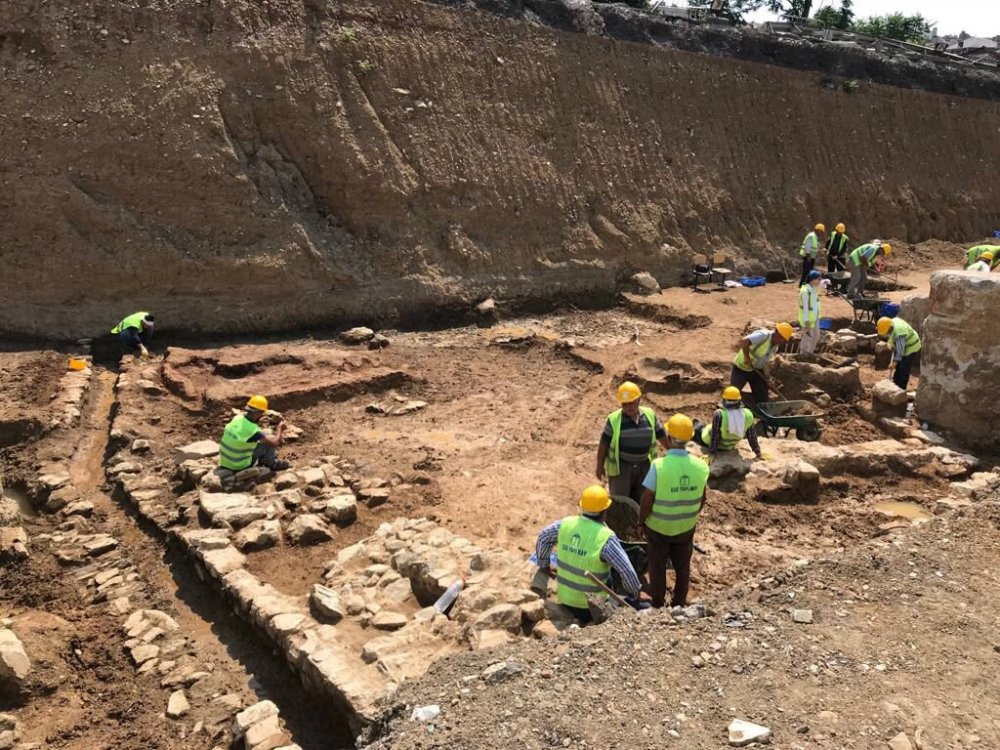
A great archaeologist and a great public-facing one are not the same thing. The second puts the science back into the hands of the society it came from, and Özdoğan did that repeatedly. Between 1999 and 2004 he led the rescue of Mezraa Teleilat, a major Neolithic site the Karkamış reservoir would otherwise have drowned. In 1990–1991 he turned Çayönü into one of Turkey’s first open-air archaeological museums, then did the same for the Kırklareli sites, so ordinary travelers could walk through a Neolithic settlement and understand what they were seeing.

When the Yenikapı excavations stunned the world by uncovering a Neolithic shoreline beneath modern Istanbul, he sat on the geoarchaeology team. And in 2001 he co-founded the culture inventory unit at the Turkish Academy of Sciences, whose first pilot, the Şanlıurfa Birecik–Suruç inventory, became a national model for saving heritage the bulldozers would otherwise have taken.

The School He Leaves Behind

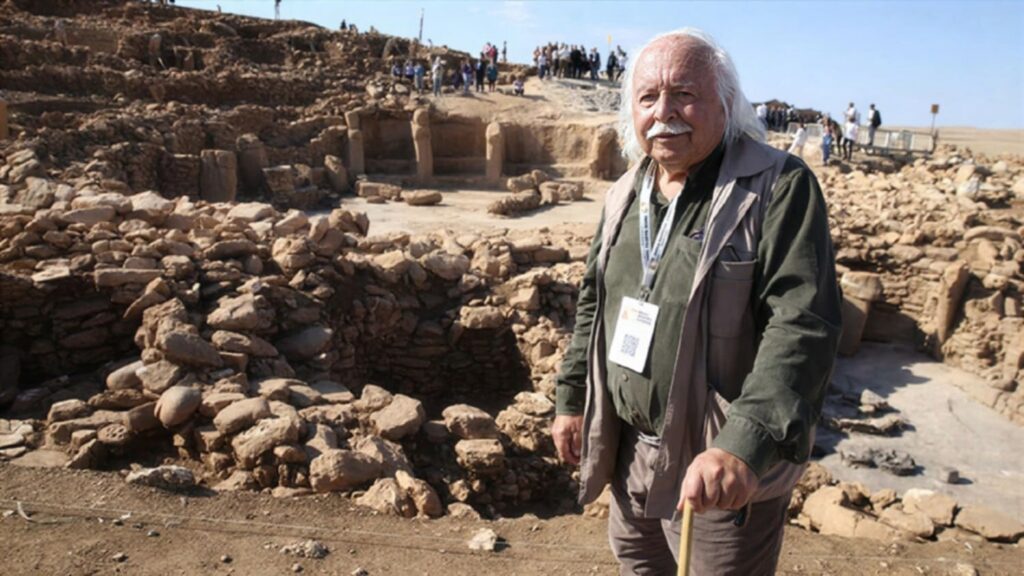
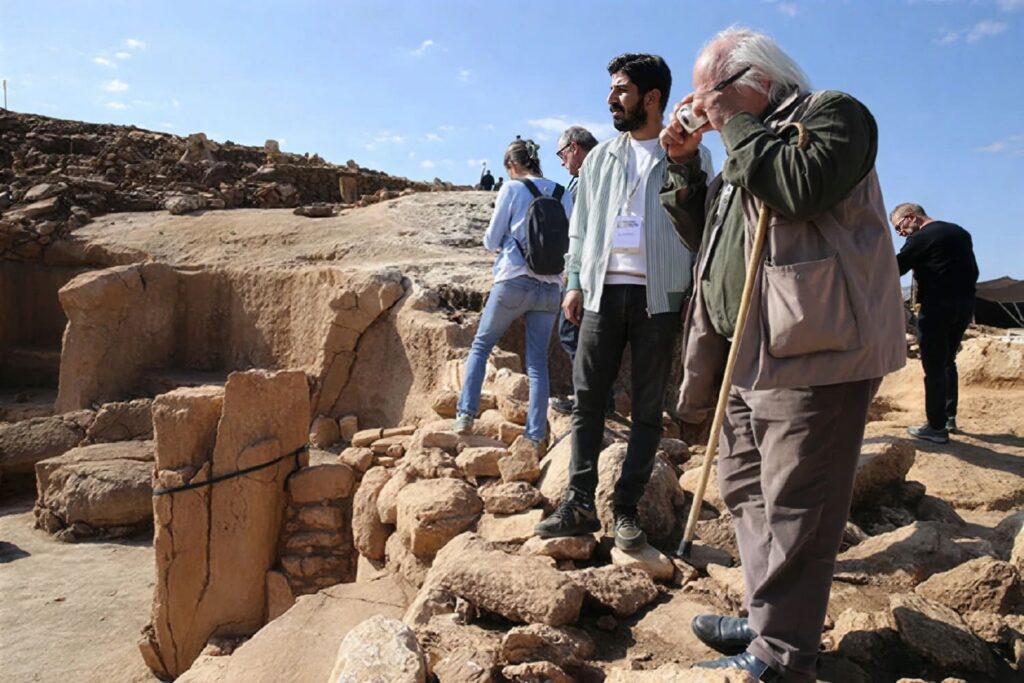
Prof. Mehmet Özdoğan at the Karahantepe excavations, part of the Taş Tepeler project he helped set in motion through his work at Çayönü

Honors followed: full membership of the Turkish Academy of Sciences, election to the U.S. National Academy of Sciences, and the first World Neolithic Congress, convened in Şanlıurfa in 2024 largely on the strength of his standing. The Neolithic in Türkiye series he edited remains one of the most important references on early settled life anywhere in the region.

But the most accurate measure of his legacy is names. The generation now leading Turkey’s major prehistoric projects, many profiled in our piece on the archaeologists rewriting prehistoric Turkey, passed through his classroom, his field schools or his orbit. Some are family: Eylem Özdoğan, whose work at Sayburç reframed Neolithic art, carries the same lineage.

Those who worked with him remember an unhurried, gently sardonic teacher, generous with students and allergic to self-promotion. A senior scholar who builds a small army of fully formed successors has, by any measure, won.

HIS STUDENTS, STILL DIGGING

Meet the Archaeologists Rewriting Turkey

Özdoğan’s real monument is the generation he trained; the people now leading the digs at Sayburç, Karahantepe and beyond. We profiled the archaeologists rewriting prehistoric Turkey, site by site: who they are, what they’ve found, and why the story of human origins keeps changing under their trowels.

Meet the Archaeologists

Why This Matters for the Traveler

At The Other Tour, we’ve always argued that Turkey is one of the original workshops of humanity, the place where “settlement,” “ritual” and “village” were first tested at scale. Standing before a T-shaped pillar at Göbeklitepe or walking the layered houses of Çayönü, you’re not looking at ruins. You’re looking at the working notes of our own species.

Those notes are legible today because, for sixty years, a quiet, multilingual, slightly amused Istanbul gentleman with a notebook and a trowel insisted they be read carefully.

Mehmet Özdoğan made Turkey’s deep past part of the world’s common inheritance. The least we can do, as travelers, is know his name.

FAQ - Frequently Asked Questions

Who was Mehmet Özdoğan?

Prof. Dr. Mehmet Özdoğan (b. 1943, Istanbul) was one of the most influential archaeologists of Anatolian prehistory. Over six decades he directed landmark excavations including Çayönü, Yarımburgaz Cave, and the Kırklareli Project, and was elected a foreign associate of the U.S. National Academy of Sciences, only the second Turkish scholar to receive the honour.

Why does Özdoğan matter for the Neolithic sites in Türkiye?

He and his team largely wrote the methodological vocabulary, stratigraphic reading, systematic flotation, standardized recording, that became the de facto national standard for Turkish archaeology. The excavations you see today at Göbeklitepe, Karahantepe and the wider Taş Tepeler region rest on protocols he refined at Çayönü.

What is Çayönü and why is it important?

Çayönü, near Diyarbakır, is one of the founding sites for understanding the Neolithic transition in Southwest Asia, the moment people stopped wandering and began building, farming, and inventing the social technologies of settled life. Özdoğan became its field director in 1978 and led the project until 1991.

Can travellers visit the sites connected to Özdoğan's work?

Yes. Göbeklitepe and the Taş Tepeler sites in Şanlıurfa are open to visitors, and Çayönü, Yarımburgaz Cave and the Kırklareli sites can be built into a private itinerary. Many are not standard tour-bus stops, so a guide who has read the site reports makes the difference between old stones and a timeline you can follow.

How can The Other Tour build a trip around these sites?

We've operated since 2011 as TÜRSAB licensed operator #7651. Tell us which sites pull at you most and we design a private archaeological journey — transfers, timing and access handled — across the landscapes Özdoğan spent his life reading.

Walk Where He Worked with The Other Tour

If you want to stand where he stood, we build private itineraries around the landscapes he spent his life reading: Göbeklitepe and the Taş Tepeler sites, Çayönü and the wider Tigris basin, Yarımburgaz Cave and the Neolithic shoreline beneath Istanbul, and the open-air sites of Kırklareli in Thrace.

These are not tour-bus stops, and a guidebook won’t get you past the fence line. Walking them with a guide who has read the site reports is the difference between photographing a pillar and understanding why it’s there.

Betül Başak at the Göbeklitepe excavation with T-shaped pillars

We’ve operated since 2011 as TÜRSAB licensed operator #7651, and this is not the only kind of trip we build. Tell us which sites pull at you most and we’ll design a private archaeological journey, transfers and timing handled, that walks you through the country Mehmet Özdoğan spent his life decoding.

Tags: AnatolianAncient CityAncient CivilizationsArchaeologyBronze AgeChalcolithicCultureEastern TurkeyHistoryNeolithicPaleolithicSanliurfa
Share131Tweet82
TheOtherTour

TheOtherTour

Established in 2011, TheOtherTour has evolved from offering alternative city tours in Istanbul to becoming a trusted travel agency that provides top-quality services and curated travel experiences throughout Turkey. With 15 years of experience exploring the nooks and crannies of Istanbul, we delight ourselves in sharing the city's hidden gems, from underground art scenes to music schools and various intimate spaces. The focus is not just on showing you the sights but also on introducing you to the city's heartbeat, its people, and its unsung tales. We have tested and curated the best of what Turkey has to offer—be it boutique hotels, unique experiences, or cultural journeys. The company is committed to sustainable tourism, partnering with local artisans, guides, and businesses to offer an authentic experience that benefits communities as much as it delights travelers. Follow and join us for insider tips, exclusive reviews, and inspirational stories that will make your next journey truly unforgettable.

Related Posts

Iron Church - Fener - Golden Horn - The Other Tour
2026

The Iron Miracle of Istanbul: The St. Stephen Bulgarian Church

Explore the St. Stephen Bulgarian Church in Istanbul: its origins, the Exarchate movement, the iron church and its restoration.

Obelisk of Theodosius 4 - The Other Tour
Istanbul Attractions

Obelisk of Theodosius: A Pharaoh’s Boast in Istanbul

Discover how a 3,500-year-old Egyptian trophy became Istanbul's most-traveled monument and the ultimate Roman power move.

Column of Constantine - The Other Tour
Istanbul Videos

Column of Constantine: The Last Monument of a New Capital

Discover the Column of Constantine in Istanbul. Uncover the dramatic history of the Burnt Pillar and its incredible Roman origins.

Elif at Nemrut Dağı, golden hour
Cappadocia Tour Guide

Elif Ünal: Expert Guide to the Soul of Cappadocia

Meet Elif Ünal — a licensed Cappadocia guide specializing in the Neolithic period, Byzantine churches, and valley hiking across Anatolia.

Masonry Obelisk 3 - The Other Tour
Istanbul Attractions

Masonry Obelisk: Istanbul’s Counterfeit Wonder of the World

The story of the Masonry Obelisk in Istanbul's Hippodrome — a scarred Byzantine landmark hiding eighteen centuries of layered history.

Serpent Column 6 - The Other Tour
Istanbul Attractions

Serpent Column: The Greek Heart of Constantinople

Discover how a modest bronze shaft in Sultanahmet Square is actually one of the ancient world's greatest victory trophies: Serpent Column.

Next Post
Hadrian’s Gate: Antalya’s Best-Preserved Roman Monument

Hadrian's Gate: Antalya's Best-Preserved Roman Monument

Leave a Reply Cancel reply

Your email address will not be published. Required fields are marked *

  • Is Istanbul Safe - Kadikoy - The Other Tour

    Is it safe to travel to Turkey in 2026?

    16 shares
    Share 2298 Tweet 1436
  • Istanbul Earthquake: A 2026 Update

    42 shares
    Share 1934 Tweet 1209
  • Exploring Istanbul’s Asian Side

    10 shares
    Share 830 Tweet 519
  • The Mystery of Turkish Language

    46 shares
    Share 692 Tweet 432
  • Top 10 Masterpieces of Turkish Cinema

    1723 shares
    Share 689 Tweet 431

Our Tags

Aegean Sea Ancient City Ancient Civilizations Archaeology Architecture Arts & Culture Asian side Best Tours in Turkey Bosphorus Byzantine Legacy Cappadocia Church Constantinople Cruise Culture Day trips English-Speaking Guides Environment Ephesus European Side Fun Hagia Sophia Historic Landmarks History Hotels Istanbul Istanbul Tours Istanbul travel Istanbul Trip Istanbul Visit Mediterranean Museums Nature Ottomans Recommendations Religion Reviews Sultanahmet The Other Tour Tour Guide Turkey Turkey Travel Turkish Cuisine Turkish Culture Water

About us

We offer a unique, immersive travel experience across Turkey — not just Istanbul's lesser-known corners, but also the valleys of Cappadocia, the ruins of Ephesus, and the coastlines of Antalya and Bodrum, engaging guests in cultural activities like local home visits, market explorations, and Bosphorus cruises.


What we specialize in, above all, is matching each client with the right professional guide for wherever they're headed in Turkey — though if we're being honest, our roster is still concentrated mostly in Istanbul. As of August 2026, that roster stands at 54 professional tour guides, each one personally vetted rather than pulled from a directory. Most of what we arrange are daily and multi-day private tours, guided primarily in English, with guides available in other languages on request.


We also provide a full range of wheelchair-assisted guided tours, custom itineraries, and specialized tours covering historical, cultural, and niche interests like Jewish heritage, vegan spots, and bird-watching — now paired with a guide roster that reaches Ankara, the Black Sea, and the wider Mediterranean region. We also offer transportation services with professional guides for a more personalized and flexible experience.

Newsletter

The Other Tour is an immersive way to experience Istanbul and the rest of Turkey, led by licensed local guides who take you beyond the tourist spots into the lived culture and quiet corners of Cappadocia, Antalya, Ephesus, Bodrum, and the Mediterranean. We also build personalized travel planning, private tours, and custom itineraries — crafted around what you’re actually curious about, in any region of the country.

Company

  • Explore
  • 2026 Itinerary
  • Services
  • F.A.Q.
  • Blog
  • Philosophy
  • About Us
  • Our Team
  • Clients/Past Tours
  • Contact

Our Services

  • Private Tours
  • Private Tour Guides
  • Event Planning
  • Airport Transfers
  • Made-to-order
  • Hotel Selection
  • Culinary Tours
  • Shopping Tours
  • Unique Activities
  • Accessibility-Assisted Tours

Turkey

  • Destinations
  • Istanbul
  • Cappadocia
  • Ephesus
  • Pamukkale
  • Bodrum
  • Antalya
  • Mediterranean
  • Eastern Turkey
  • Black Sea
  • Terms & Conditions
  • Privacy Policy
  • Jobs
  • Get in touch

© 2026 THE OTHER TOUR by BEFORE TRAVEL - TÜRSAB NO: 7651.

No Result
View All Result
  • Home
  • Explore!
  • The Other Tour
    • Introduction
    • 2026 Itinerary
    • F.A.Q.
    • About us
    • Reviews
  • Daily Tours
    • Istanbul
    • Cappadocia
    • Antalya
    • Aegean
  • Tour Guides
    • Our Tour Guides
    • Istanbul
    • Ephesus
    • Cappadocia
    • Mediterranean Region
  • Istanbul
    • Tours
    • Attractions
    • Neighborhoods
    • Food
    • Stay
    • The Bosphorus
  • Turkey
    • Turkey Tours
    • Destinations
    • Cappadocia
    • Ephesus
    • Pamukkale
    • Antalya
    • Bodrum
  • Services
    • Private Tours
    • Daily City Tours
    • Made-to-order Travel Planning
    • Unique Activities
    • Hire a tour guide in Istanbul
    • Layover Tours
    • Culinary Tours
    • Hotel Selection
    • Family Time
    • Event Planning
    • Corporate Group Tours
    • All Our Services
  • Blog
    • TOP 5 ISTANBUL
    • Read
    • Events
    • News
    • Turkey
    • Documentary
    • Turkish Food
    • Turkish Music
    • Istanbul Videos
    • All Categories
    • All Posts
  • Contact

© 2026 THE OTHER TOUR by BEFORE TRAVEL - TÜRSAB NO: 7651.