

Nestled in western Turkey’s peaceful countryside, Sardis was the capital of ancient Lydia and among the richest cities of its age. Often tied to the world’s first minted coins, it helped reshape trade. Today, its quiet ruins reveal layers of Lydian, Greek, Roman, and early Christian history.
Table of Contents
The Rise and Legacy of Sardis

Sardis was once one of the most important cities of the ancient world and the proud capital of the Lydian Kingdom. Positioned along major trade routes, it grew into a wealthy and influential center where commerce, culture, and political power flourished. The legendary King Croesus ruled from here, and his immense riches helped shape the city’s lasting reputation.
Over time, the city continued to develop under Persian, Greek, and Roman rule, each leaving traces that can still be seen today. From the impressive Gymnasium complex to the Temple of Artemis and the remarkable ancient synagogue, the ruins reveal the story of a city that played a significant role in the history of western Anatolia. Exploring these archaeological wonders offers a meaningful connection to the past, guided by local experts who bring the ancient world to life.
Walking Through the Living Legacy of Sardis
Sardis is a place where history, culture, and architecture come together in one peaceful archaeological landscape. Once the capital of the powerful Lydian Kingdom, the city witnessed the rise of early trade, religion, and education in western Anatolia. Today, its ruins offer a quiet but meaningful journey through Roman, Persian, and early Christian history. From monumental public buildings to sacred spaces, the site reveals the story of a city that once shaped the region’s civilization.
Grand Gymnasium Complex
The Sardis Gymnasium is one of the most impressive surviving structures in the ancient city, reflecting the importance of public life during the Roman period. Built as part of Sardis’ urban development, the complex was designed to support education, physical training, and social gatherings. The structure features large open courtyards supported by rows of stone columns, showing advanced architectural planning for its time.
The gymnasium also included bathing areas and covered halls where citizens could meet and discuss civic matters. In ancient Sardis, the gymnasium was not only a sports facility but also a cultural and intellectual center. Its monumental size reflects the city’s wealth and social organization during Roman rule. Today, visitors can walk through the remaining columns and imagine the lively community activities that once took place here.
Temple of Artemis
The Temple of Artemis in Sardis was one of the most important religious monuments of the ancient city and reflected its spiritual and cultural significance. Originally built as a large Ionic-style temple, it was among the biggest temples dedicated to Artemis in the ancient world. Although much of the structure is now ruined, the remaining columns still show the scale and architectural elegance of the original design.
The temple represented Sardis’ religious importance during Persian, Hellenistic, and Roman periods. Over time, the structure was expanded and modified as different civilizations used the site. Visitors today can walk around the remains and appreciate the engineering skill and artistic craftsmanship of ancient builders while feeling the quiet historical atmosphere of the location.
Ancient Synagogue of Sardis
The ancient synagogue of Sardis is one of the most remarkable archaeological discoveries in the city and highlights its multicultural history during the Roman period. It is considered one of the largest known synagogues from antiquity, showing the presence and importance of the Jewish community in Sardis. The structure is located within a larger complex, reflecting how different cultures lived and interacted in the city.
Inside, visitors can see well-preserved mosaics, inscriptions, and architectural details that provide insight into ancient religious and social life. The design of the synagogue shows careful construction and community planning. It served not only as a place of worship but also as a social gathering space. Today, the site stands as a powerful reminder of Sardis’ diverse cultural and historical heritage.
Historical Significance of Sardis
The historical significance of Sardis is closely tied to its role as the capital of the Kingdom of Lydia, which flourished roughly between the 7th and 6th centuries BCE. During this period, Sardis became one of the wealthiest cities in the ancient world, largely due to its strategic location along major trade routes and its pioneering role in early currency development. The city reached its greatest prosperity under King Croesus, whose reign around 560–546 BCE became legendary for immense wealth and political influence.
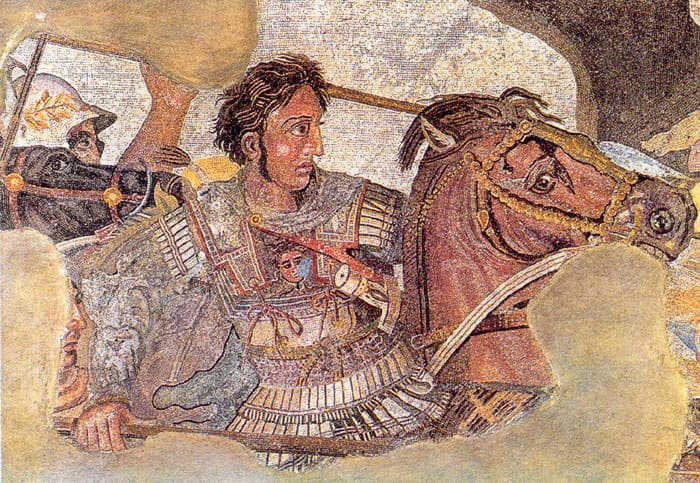
After the fall of the Lydian Kingdom, Sardis came under Persian rule in 547 BCE, when it was incorporated into the Achaemenid Empire and continued to function as an important administrative and military center. Later, during the Hellenistic period following Alexander the Great’s campaigns (4th century BCE), and subsequently under Roman rule, the city maintained its regional importance as a cultural, commercial, and religious hub. Over centuries, these successive civilizations shaped Sardis into a multi-layered archaeological site that reflects the long historical evolution of western Anatolia.
Quick Traveler’s Guide to Sardis
Best Time to Visit: The most comfortable seasons to explore Sardis are spring (April–June) and autumn (September–November), when the weather is mild and walking around the ruins is easier. Summer visits are possible but can be hot during midday, so early morning or late afternoon exploration is recommended.
What to Wear: Comfortable walking shoes are important because the terrain includes uneven stone surfaces. Carry a hat, sunscreen, and water, especially during warmer months. The site is open and exposed in many areas.
What Makes Sardis Special: Sardis is less crowded compared to major archaeological destinations and offers a peaceful historical experience. It represents the legacy of the Kingdom of Lydia, where early coinage is believed to have originated during the reign of Croesus.
Photography Tips: The columns of the gymnasium and the open landscapes around the ruins provide excellent photo opportunities. Visiting during softer daylight hours helps capture the architectural details and historical atmosphere.

Get in touch for a guided tour
The ancient city of Sardis offers a quiet and meaningful way to experience the layered history of western Anatolia, where Lydian, Persian, Roman, and early Christian influences once came together. Walking through its ruins allows visitors to feel the passage of time while learning about a city that played an important role in ancient trade and culture. Preserving and sharing this heritage helps keep the story of Sardis alive for future generations.
If this journey into history inspires you, fill the form below and let us help you plan your visit to explore Sardis and other remarkable historical treasures of Turkey.




Sardis is 5-6 hours away from Antalya by road. I would love to add to historical depth on top of the beach resort experience of my next Agean coastline journey!
Deep Persian heritage in Sardis!