

Some of the most dramatic landscapes in Turkey lie far from its famous ancient cities and coastline. These ten canyons cut through mountains, forests, and volcanic valleys across Anatolia. Each one offers a different reason to explore.
Table of Contents
1. Ulubey Canyon, Uşak
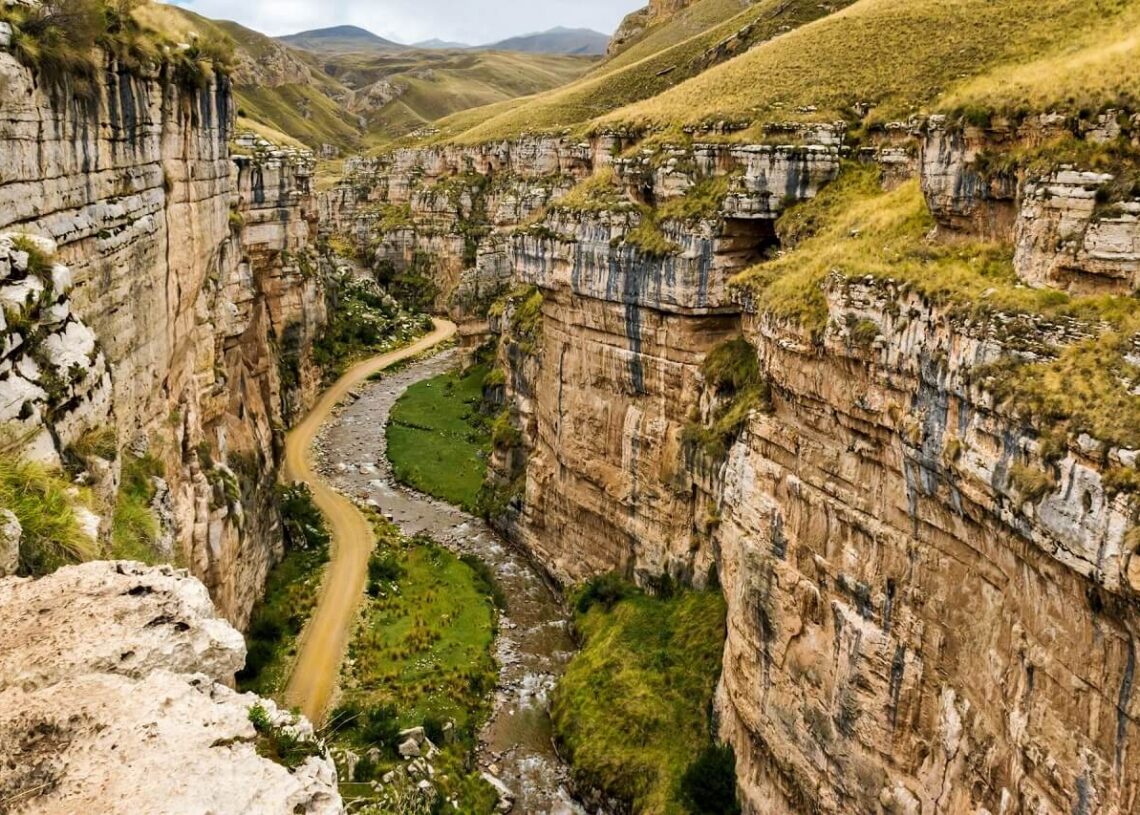
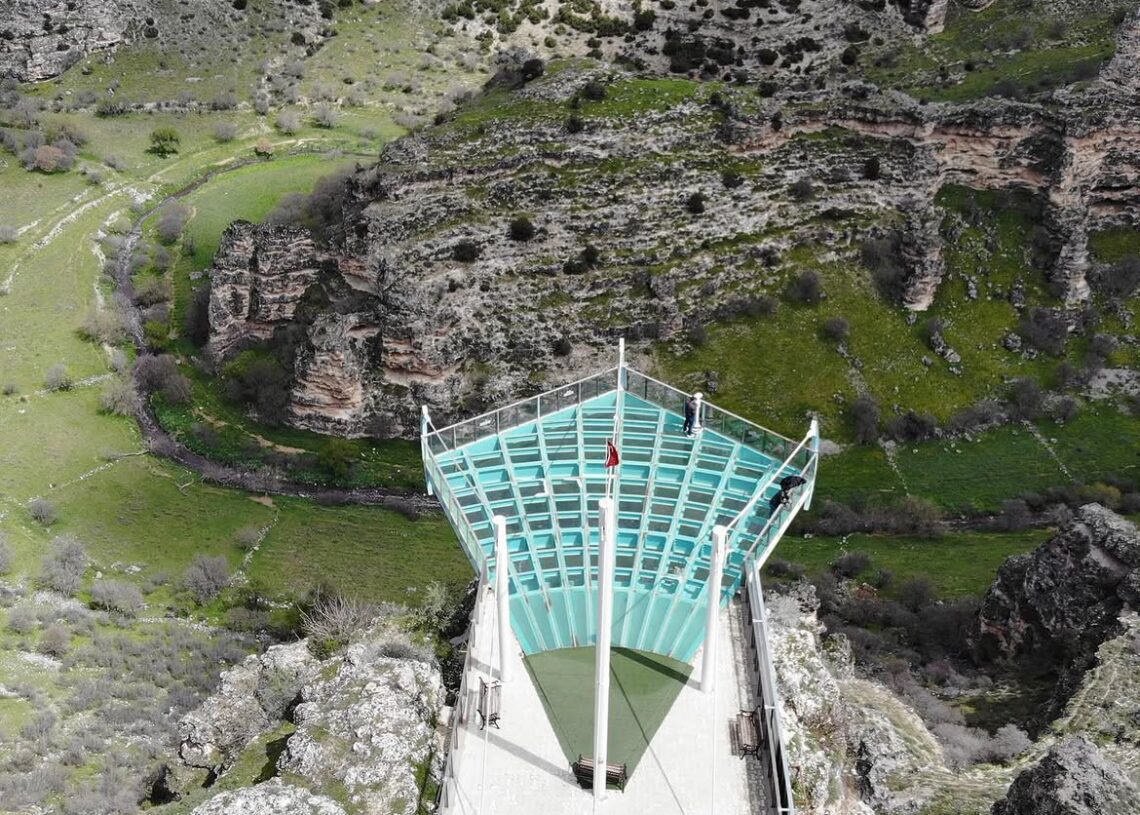
Located in Uşak, Ulubey Canyon stretches along the Banaz and Ulubey streams, where dozens of smaller side canyons join the main gorge. Its dramatic landscape, rich history, and impressive scale make it one of Turkey’s most remarkable natural attractions.
Beyond its natural beauty, Ulubey Canyon has been home to many civilizations, including the Lydians, Persian Empire, Byzantine Empire, and Ottoman Empire.
Visitors can hike along designated trails, enjoy rafting on the Banaz Stream, try air sports and rock climbing, or take in the view from the canyon’s glass observation terrace. The annual canyon festival is another reason to visit, bringing together local food, music, and cultural events.
2. Şahinkaya Canyon (Samsun)
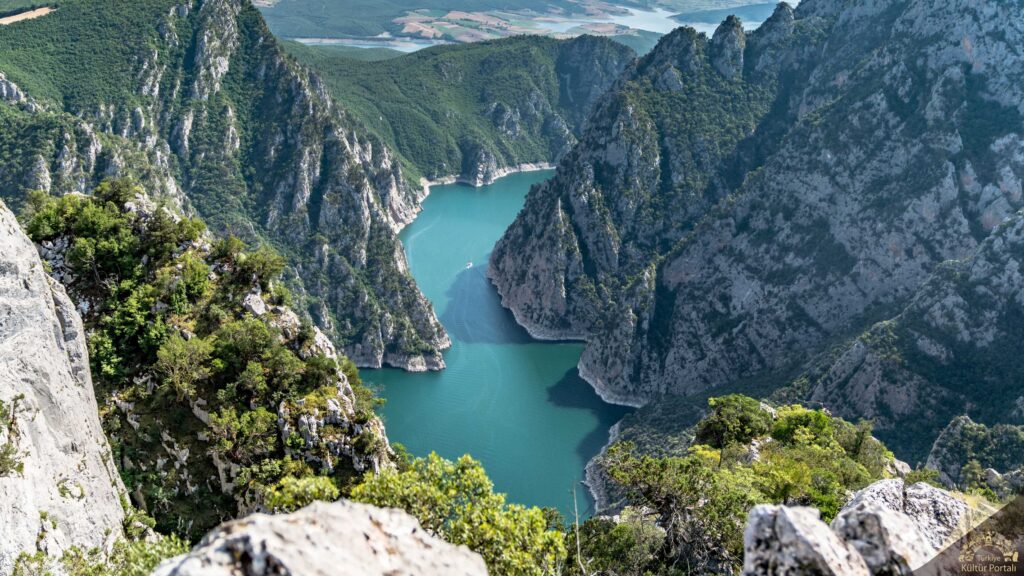
Located in Vezirköprü, Samsun, Şahinkaya Canyon is one of Turkey’s most impressive water canyons and the country’s second-largest water canyon.
Formed by mountain-building processes and thousands of years of erosion by the Kızılırmak River, the canyon stretches for approximately 2.5 kilometers.
Towering rock walls, natural caves, and narrow passages give the canyon its distinctive appearance. The canyon and its surrounding landscape are protected as a Nature Park.
Often described as the Kızılırmak River‘s narrowest and longest passage, Şahinkaya Canyon is best explored by boat, while the surrounding area is also suitable for camping, hiking, and nature photography.
The nearby district of Vezirköprü preserves traces of civilizations dating back to the Hittites, followed by the Seljuk Empire and the Ottoman Empire. Ongoing archaeological excavations continue to reveal the region’s long and remarkable history.
3. Horma Canyon (Kastamonu)
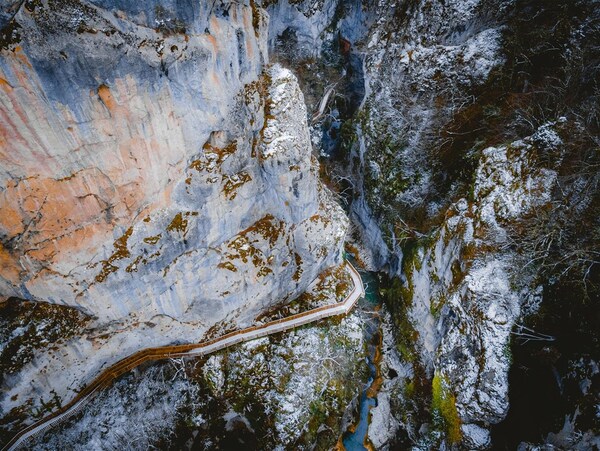
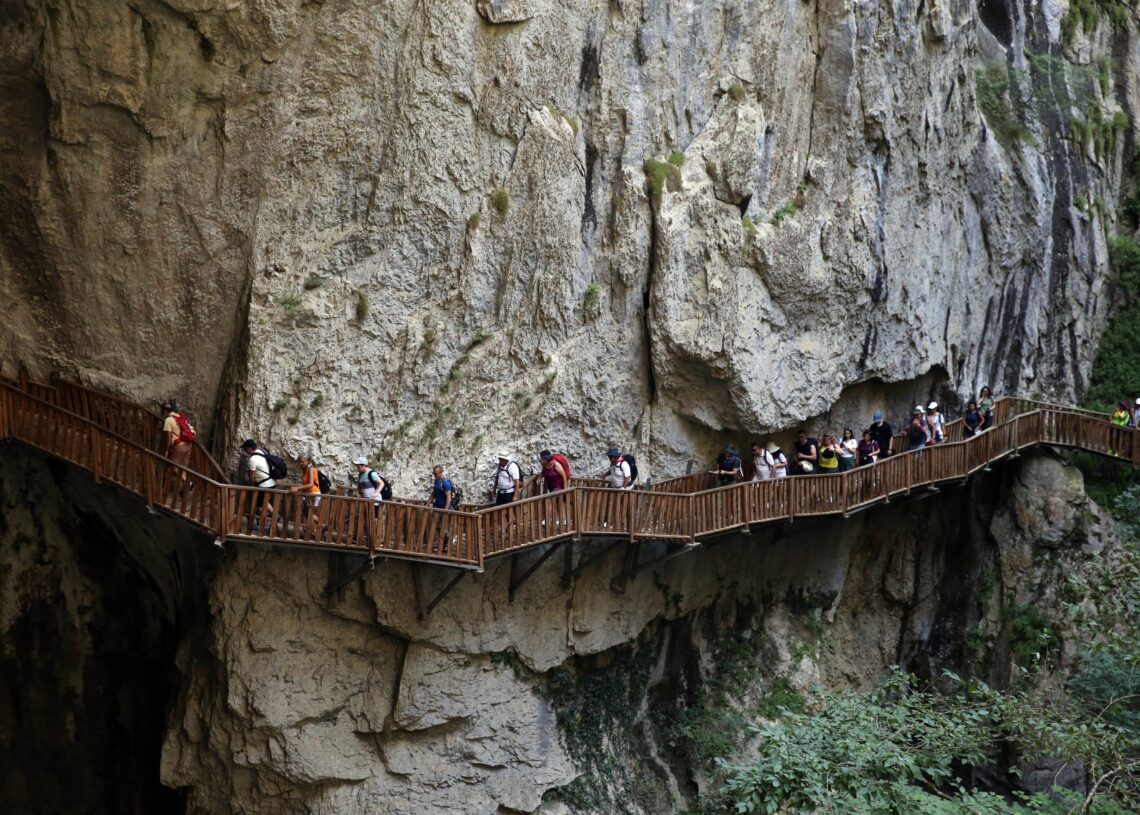
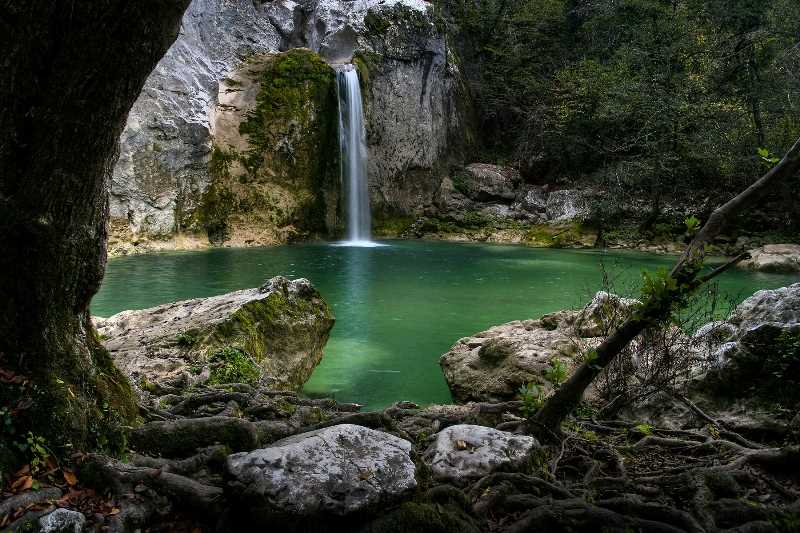
Shaped by the Zarı Stream over centuries, Horma Canyon stands out for its clear water, limestone cliffs, and dense woodland. Located in the Pınarbaşı district of Kastamonu, it forms part of the same natural landscape as Valla Canyon, Ilgarini Cave, and Ilıca Waterfall.
A 3-kilometer wooden boardwalk follows the canyon above the stream and leads to Ilıca Waterfall, where the water falls into a natural pool surrounded by forest. The route also gives visitors clear views of the canyon walls and makes the area a strong choice for nature photography.
4. Valla Canyon (Kastamonu)
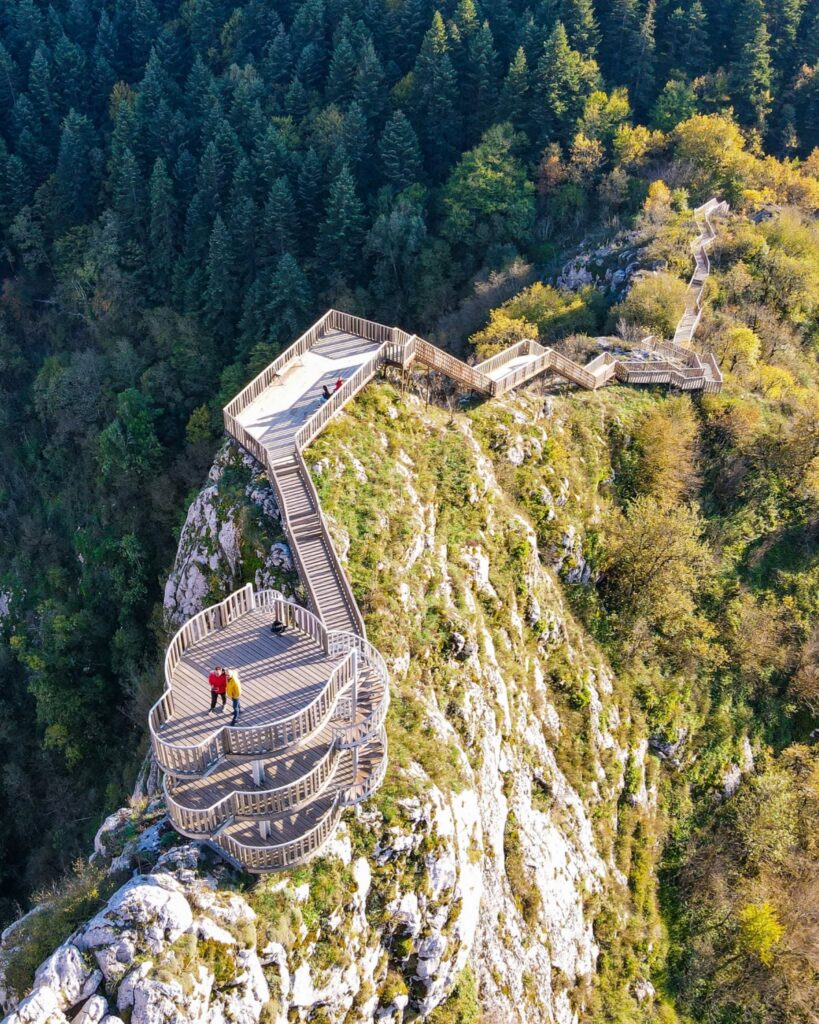
Hidden within the Küre Mountains of Kastamonu, Valla Canyon is one of the deepest canyons in Turkey, with some sections reaching nearly 1,200 meters. Over millions of years, the Devrekani Stream carved its towering limestone cliffs into one of the country’s most dramatic landscapes.
A three-story observation terrace overlooks the canyon, offering panoramic views of its steep walls and dense forests. The canyon also lies within Küre Mountains National Park, one of Turkey’s richest protected forest ecosystems.
The 12-kilometer route through Valla Canyon has no practical exit once you enter. Because of its steep terrain and changing water levels, only experienced groups with professional guides should attempt the full crossing.
Valla Canyon is considered one of the most challenging canyon crossings in Turkey. As hikers descend deeper into the canyon, the changing elevation creates noticeable shifts in climate and vegetation, making every section feel different from the last.
5. Ihlara Valley (Aksaray)
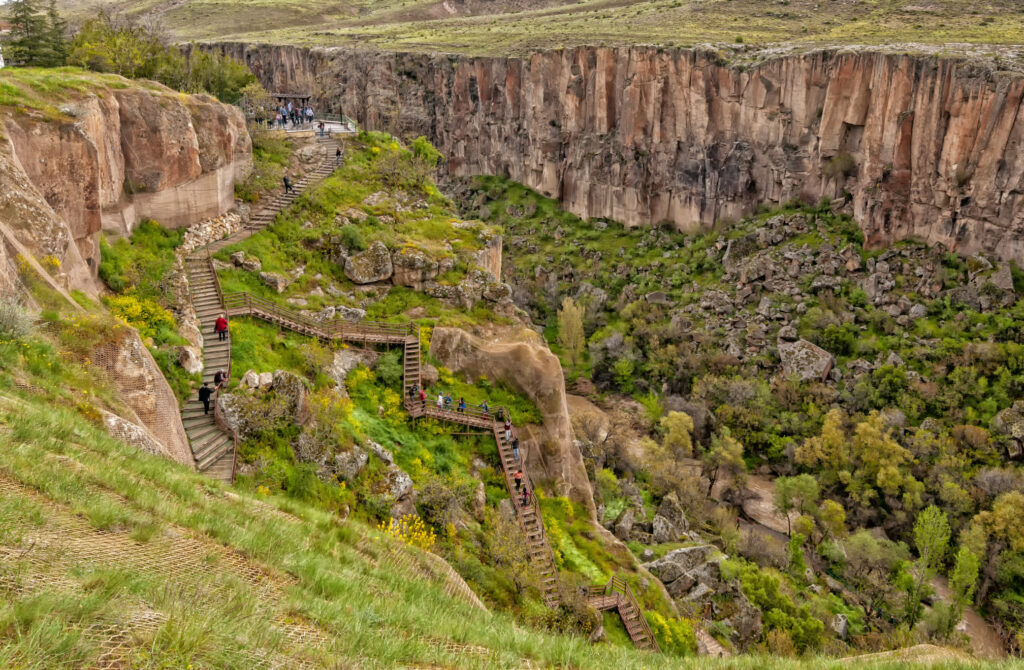
Also known as Ihlara Valley, Ihlara Canyon is one of Cappadocia’s most distinctive landscapes. Stretching for approximately 14 kilometers, the canyon was carved by the Melendiz Stream through volcanic rock formed by eruptions of Mount Hasan and Mount Erciyes.
Unlike the open valleys found elsewhere in Cappadocia, Ihlara is shaded by thousands of trees. The stream creates a cool riverside landscape beneath cliffs that rise more than 100 meters.
From the 4th century onward, the canyon became a refuge for monks and early Christian communities seeking isolation. They carved churches, monasteries, chapels, and homes into the soft volcanic rock, turning the valley into one of Anatolia’s most important religious centers. More than one hundred rock-cut churches have been identified throughout the canyon, several of which still preserve vivid Byzantine frescoes dating from the 9th to the 11th centuries.
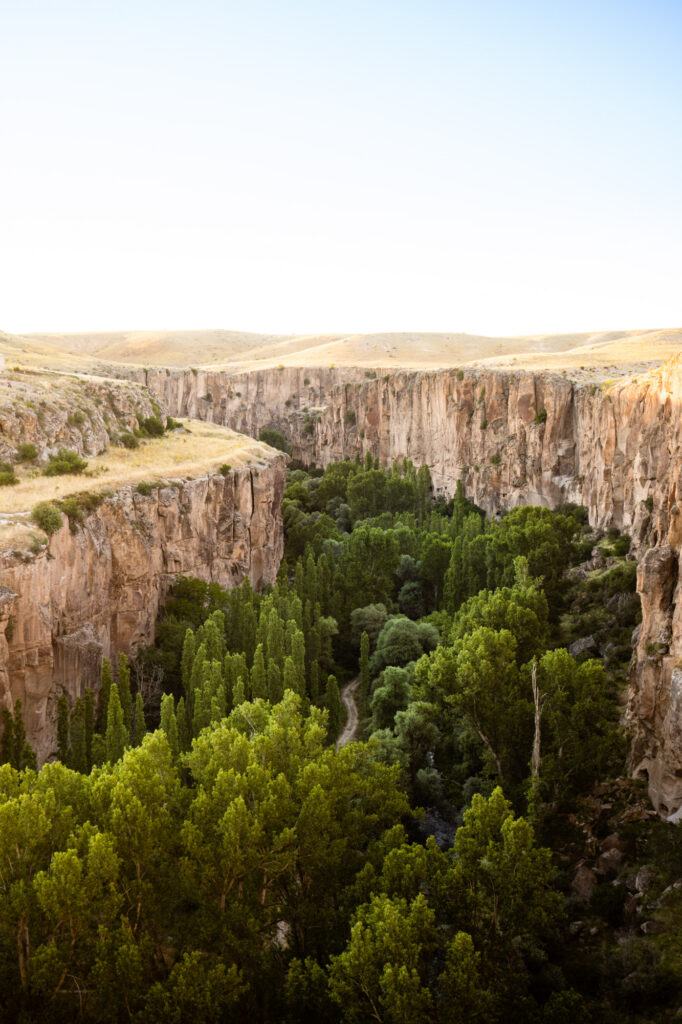
Along the way, visitors pass the Melendiz Stream from the village of Ihlara through Belisırma and toward Selime. Along the way, visitors pass riverside cafés, centuries-old cave churches, and peaceful picnic areas.
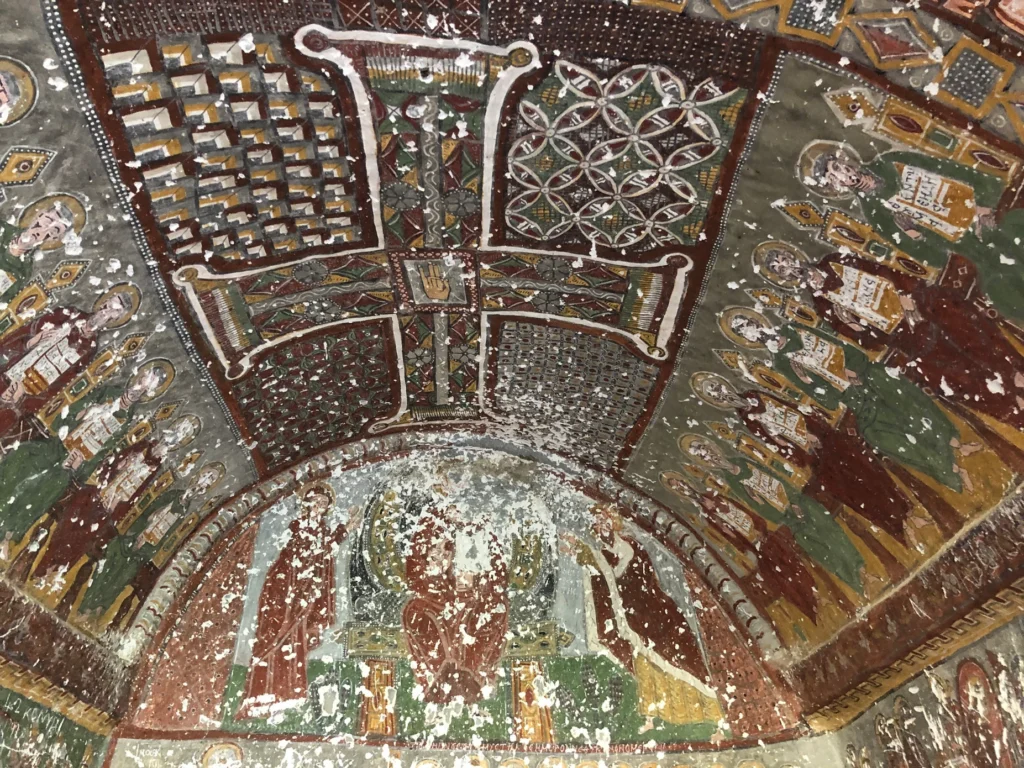
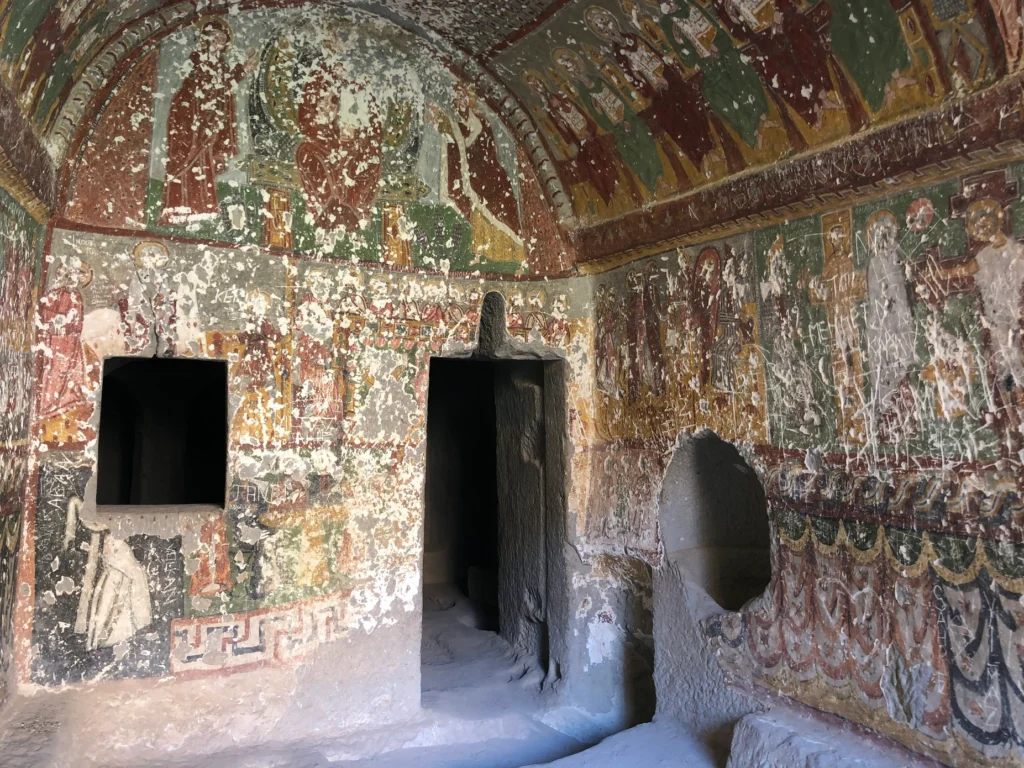
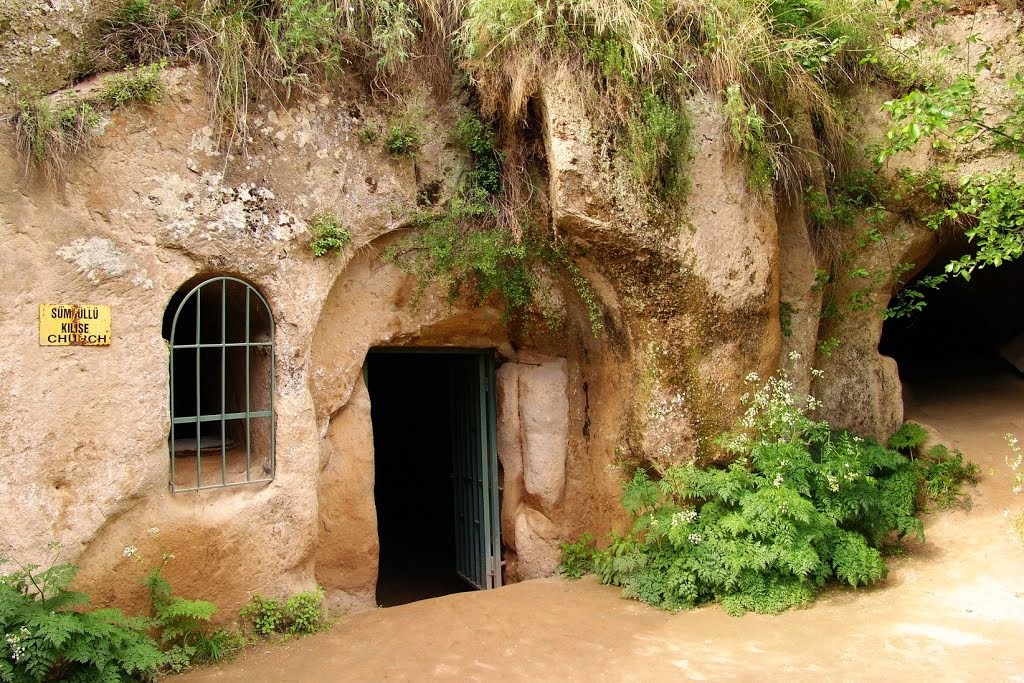
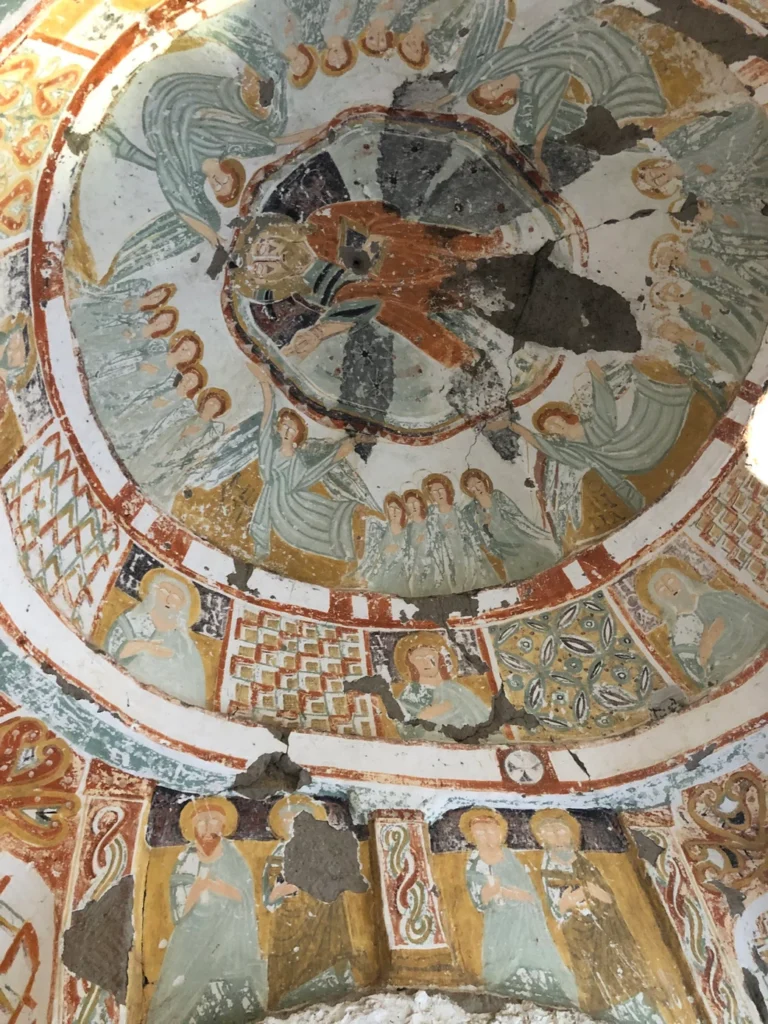
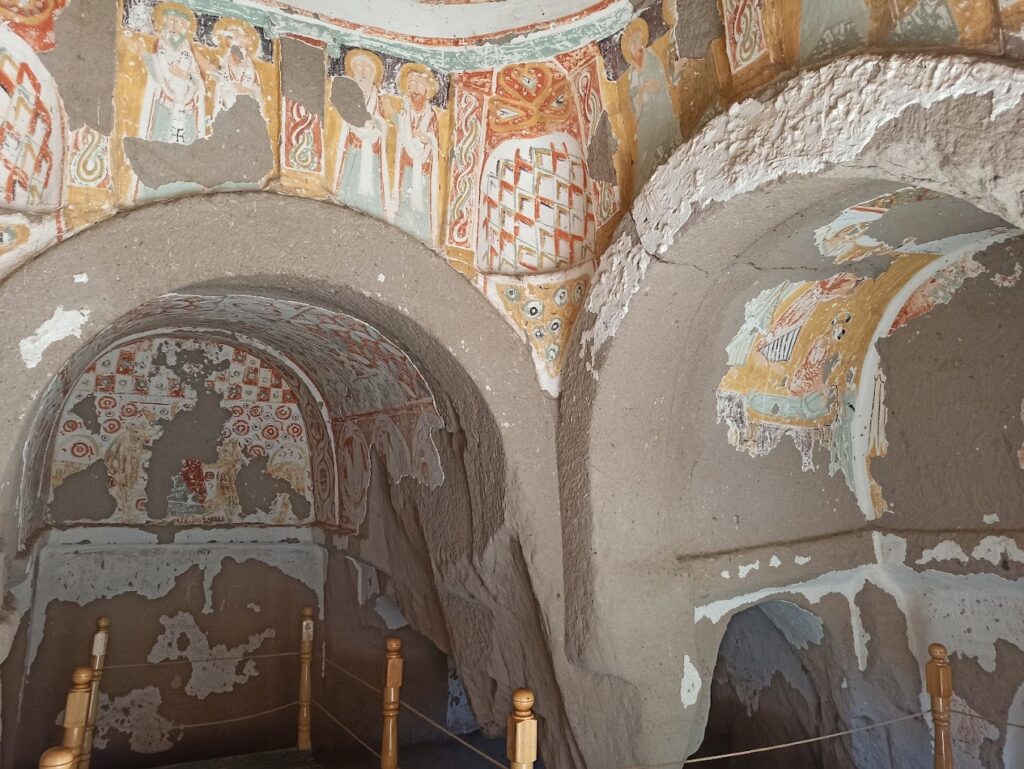
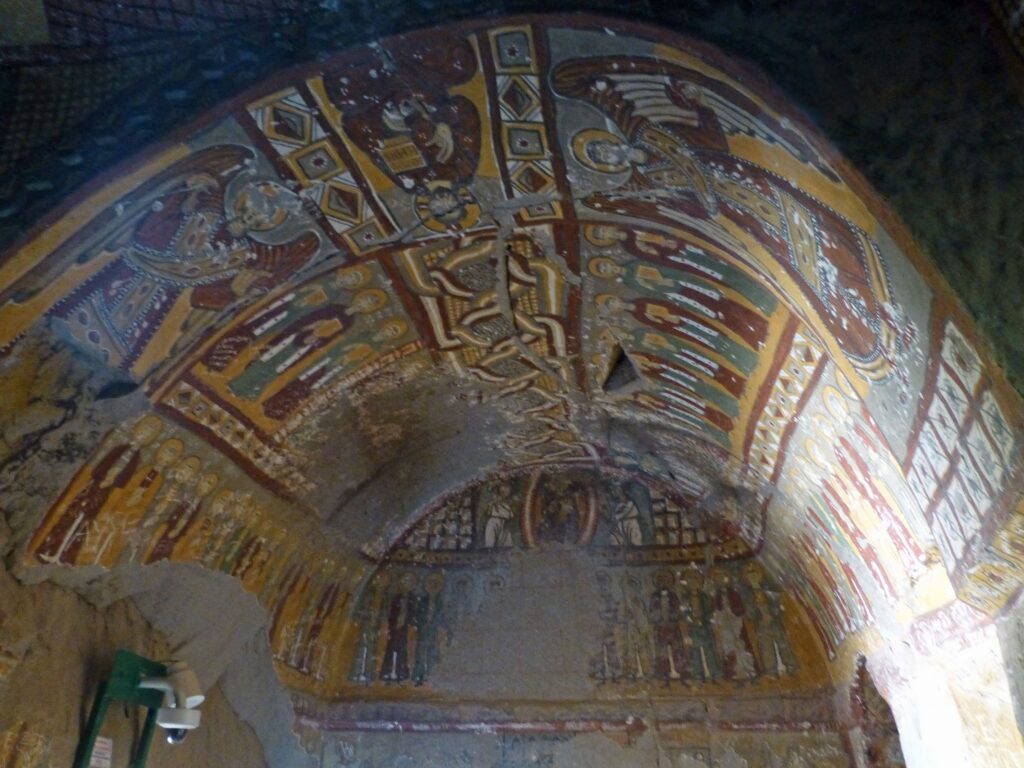
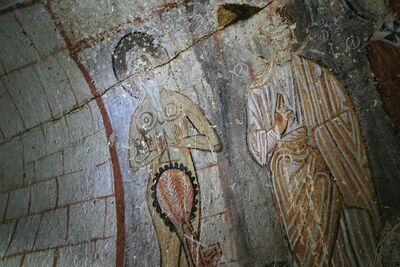
Among the best known are Yılanlı Church, famous for its striking fresco of sinners attacked by snakes during the Last Judgment, Kokar Church, known for its well-preserved paintings, Sümbüllü Church, with its two-story monastic complex, and Ağaçaltı Church, one of the valley’s finest examples of early Christian rock-cut architecture.
Together, these churches reveal why Ihlara became one of the most important monastic centers in Anatolia.
6. Saklıkent Canyon (Muğla)
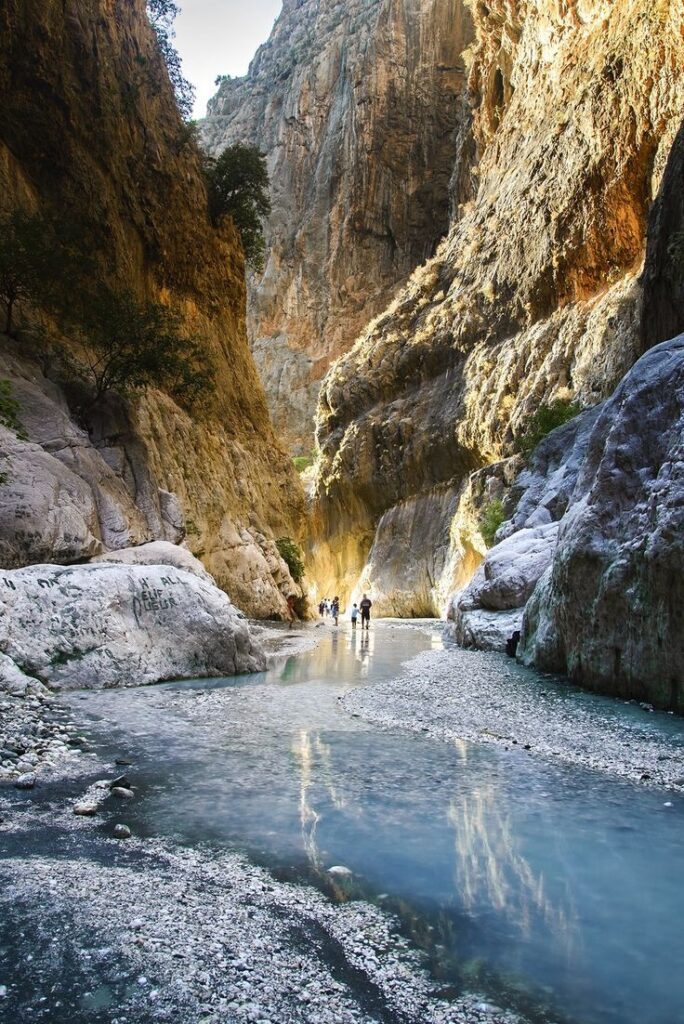
Stretching for 16 kilometers (about 10 miles) between the provinces of Muğla and Antalya, Saklıkent Canyon is one of the longest canyons in Turkey. Its towering rock walls rise between 200 and 600 meters above the canyon floor and narrow to just two meters at certain points, leaving only a thin strip of sky visible overhead.
The canyon also contains 16 known caves, while archaeological evidence indicates that people lived here as early as 3,000 years ago.
Because the Karaçay River flows strongly through the canyon, visitors begin their journey on a 200-meter wooden walkway attached to the cliffs. Walking through the stream is the highlight of the visit, while rafting on the Karaçay offers an extra challenge for adventure seekers.
Even on the hottest summer days, the water in Saklıkent Canyon remains surprisingly cold because it is fed by underground karst springs, where temperatures stay nearly constant throughout the year.
7. Tazı Canyon (Antalya)
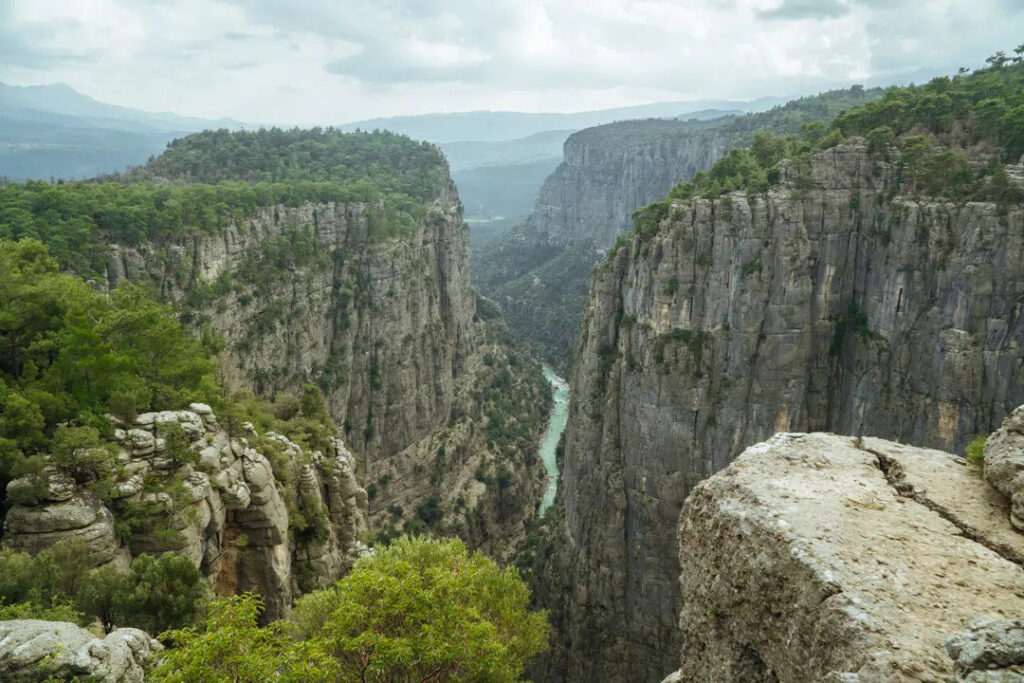
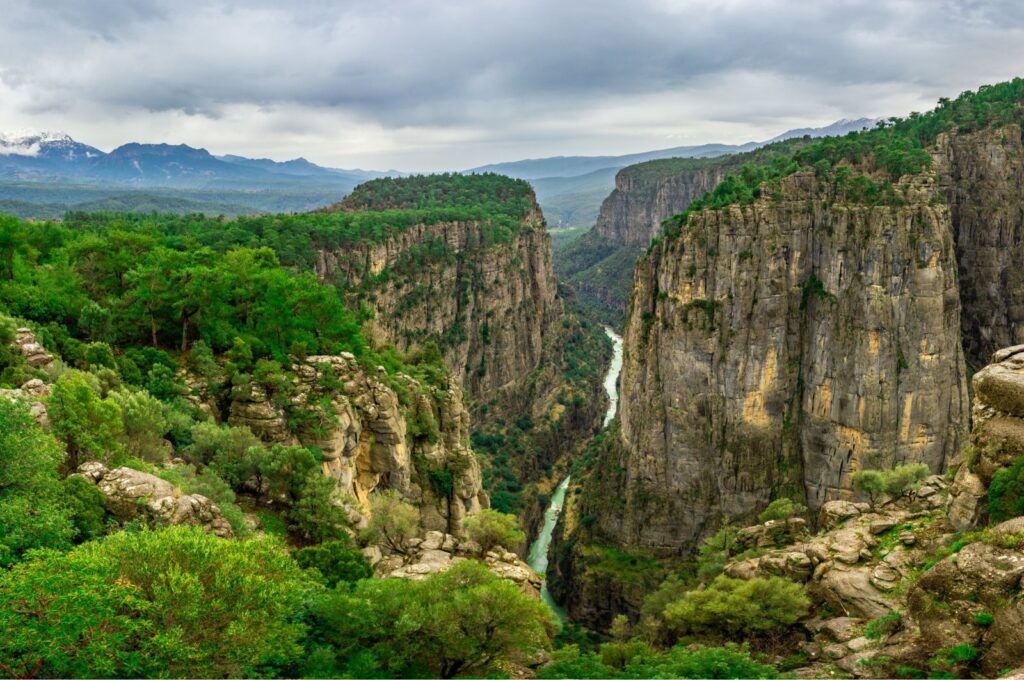
Located in the Manavgat district of Antalya, Tazı Canyon lies within Köprülü Canyon National Park. Over millions of years, the Köprüçay River carved the surrounding limestone into towering cliffs rising 300 to 400 meters above the valley floor.
Unlike many canyons in Turkey, Tazı is admired from above rather than explored from below. The viewpoint overlooks the Köprüçay Valley, surrounded by Turkish pine forests and a rich ecosystem of wild goats, foxes, wolves, badgers, and numerous bird species.
Beyond its scenery, the area is also home to Selge Ancient City, the St. Paul Trail, and the remarkable Adam Kayalar rock formations, making it one of the most rewarding day trips in the region.
8. Karanlık Canyon (Erzincan)
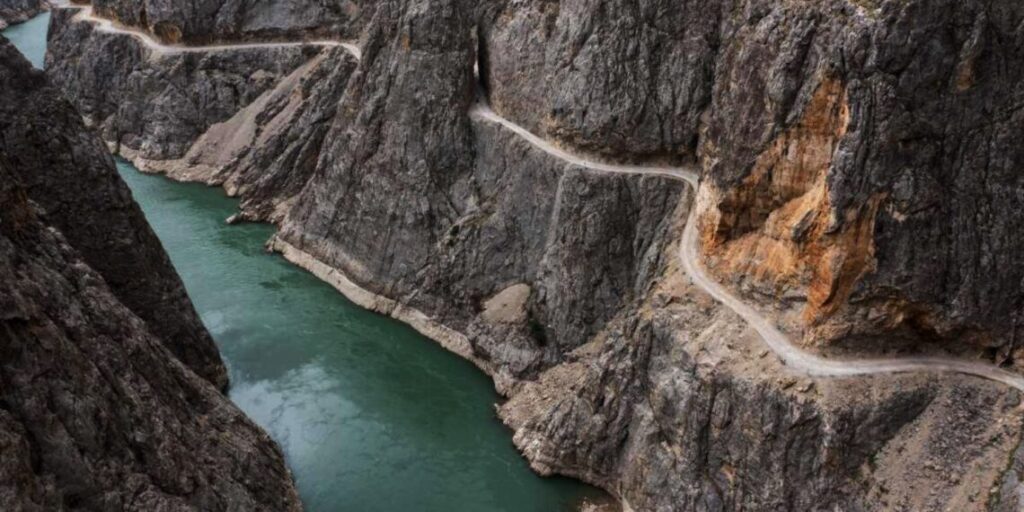
Local residents began carving a route through the canyon’s solid rock with basic hand tools around 1870. Work continued intermittently across several generations. The project gained government support in its later stages and was finally completed in 2002, after roughly 132 years. The approximately seven-kilometre road includes 38 rock-cut tunnels and connects Kemaliye more directly with Divriği and Central Anatolia.
Rising more than 1,000 meters above the river in some sections, its towering cliffs make it one of eastern Turkey’s most impressive natural landmarks.
In 2020, the canyon was designated a Qualified Natural Conservation Area to help protect its unique geology and ecosystem.
One of the most distinctive ways to experience Karanlık Canyon is by following the historic Stone Road, a narrow route carved directly into the cliff face that passes through dozens of hand-cut tunnels overlooking the river. The canyon is also a popular destination for boat tours, rock climbing, and other outdoor activities that take advantage of its rugged terrain.
9. Göynük Canyon (Antalya)
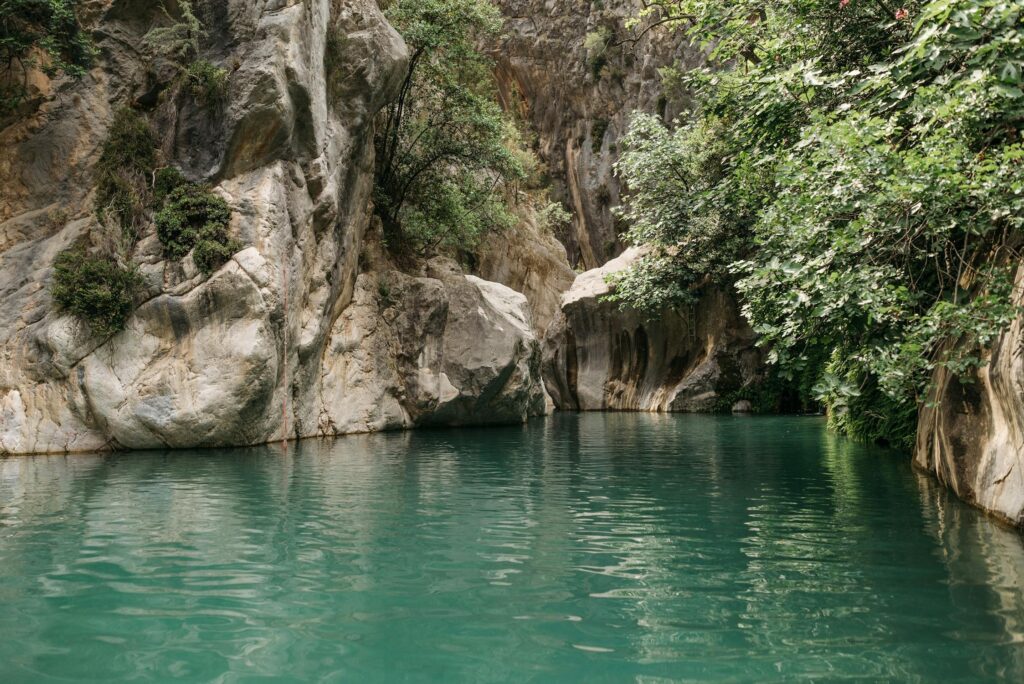
Located in Kemer, Antalya, Göynük Canyon was shaped over nearly two million years as water carved its way through the Beydağları Mountains. Towering limestone cliffs, clear pools, and pine forests make it one of the region’s most popular outdoor destinations.
The pale canyon walls found across much of Turkey are usually made of limestone. Over millions of years, flowing water slowly sculpted this soft rock into the cliffs, caves, and narrow gorges seen today.
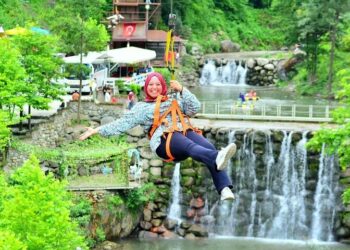
Part of the Lycian Way, one of the world’s finest long-distance hiking trails, passes through Göynük Canyon. The area has three marked trekking routes and serves as a popular camping stop for hikers. Visitors can also enjoy canyoning, rafting, ziplining, swimming, and nature walks.
Lycian Region Expert Tour Guide
10. Cehennem Deresi Canyon (Şırnak)
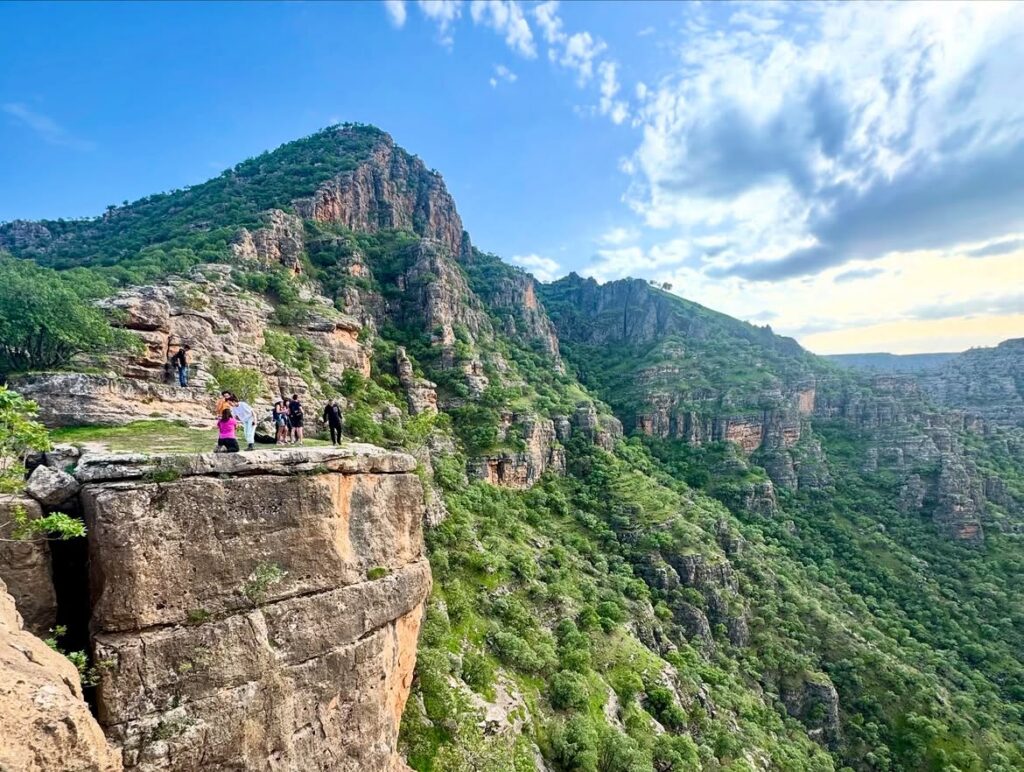
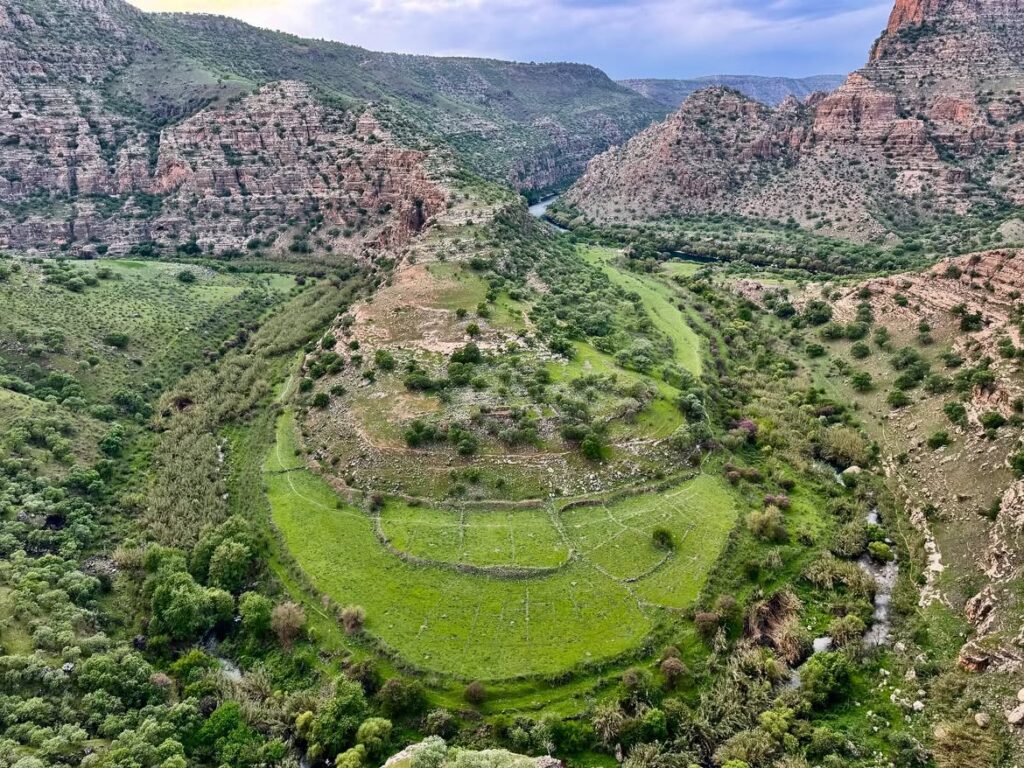
Located between the districts of İdil and Güçlükonak in Şırnak, Cehennem Deresi Canyon is one of southeastern Turkey’s least explored natural landscapes. Steep cliffs, freshwater springs, caves, and dense vegetation surround the canyon before its waters join the Tigris River.
Spring is the best time to visit, when the valley is at its greenest and conditions are ideal for hiking. Visitors can also enjoy rafting, mountaineering, and paragliding in the surrounding area. For travelers looking beyond Turkey‘s best-known canyon destinations, Cehennem Deresi offers a quieter and more remote outdoor experience.
Practical Tips for Visiting Turkey's Canyons
Every canyon in Türkiye is different. Some are easy to explore on wooden walkways, while others require river crossings, steep trails, or technical experience. Before you visit, keep these points in mind.
- Choose the right canyon: Horma Canyon suits most visitors, while routes such as Valla Canyon require experience and professional guidance.
- Dress for the terrain: Wear hiking shoes with good grip, especially on wet limestone, loose gravel, and uneven paths.
- Check local conditions: Heavy rain can raise water levels, damage trails, or lead to temporary closures, so confirm access before setting out.
- Start early: Morning visits usually mean cooler temperatures, lighter crowds, and more time to complete longer routes safely.
- Respect protected areas: Stay on marked paths, avoid disturbing wildlife, and carry all rubbish out with you.
Frequently Asked Questions- FAQ
What are the best canyons to visit in Turkey?
The best canyon depends on the type of experience you're looking for. Saklıkent Canyon is famous for walking through icy water, Ihlara Canyon combines nature with rock-cut churches, Göynük Canyon is ideal for hiking and canyoning, while Valla Canyon offers dramatic views and one of Turkey's most challenging canyon landscapes.
What is the deepest canyon in Turkey?
Valla Canyon in Kastamonu is widely regarded as one of the deepest canyons in Turkey, with cliffs reaching nearly 1,200 meters in some sections. Due to its steep terrain and limited exit points, it is considered one of the country's most challenging canyon routes.
Which canyon is best for hiking in Turkey?
Göynük Canyon, Ihlara Canyon, and Horma Canyon are among Turkey's best hiking destinations. Their well-marked trails, scenic landscapes, and varying difficulty levels make them suitable for both casual walkers and experienced hikers.
Can you swim in Turkey's canyons?
Swimming is possible in some canyons, including parts of Göynük Canyon, where clear natural pools provide opportunities to cool off. In places like Saklıkent Canyon, visitors usually walk through the shallow stream rather than swim. Always follow local safety advice and seasonal restrictions.
When is the best time to visit Turkey's canyons?
The best time to visit is generally from April to June and from September to October, when temperatures are comfortable and hiking conditions are ideal. Summer is also popular, although southern regions such as Antalya can become very hot during the day.
Do I need a guide to visit Turkey's canyons?
Most canyon viewpoints and marked walking trails can be explored independently. However, more demanding routes, such as Valla Canyon, should only be attempted with experienced guides and appropriate equipment due to their technical difficulty.
Explore Turkey's Canyons with The Other Tour
Every canyon in Turkey tells a different story. Some are shaped by limestone rivers, others by volcanic landscapes or ancient trade routes.
Our licensed guides help you experience these places with the local knowledge and historical context that bring them to life.




As someone from Scandinavia planning a trip to Turkey this October, this article made me even more excited. Summer in southern Europe can feel a bit too intense for us, so autumn seems like the perfect time to explore these places.
I had only heard of Saklıkent before, but now Valla Canyon and Karanlık Canyon are definitely on my list as well. The combination of dramatic landscapes, hiking, and ancient history is exactly what we are looking for. October also sounds ideal, with cooler temperatures and fewer crowds.
Thank you for putting together such a comprehensive guide. It made planning the trip both easier and much more exciting.