The Turkish language is a unique anomaly in its region, differing from its Indo-European neighbors by belonging to the Turkic language family, with origins in Central Asia. The Turks began their westward migration from the steppes of Central Asia, eventually settling in Anatolia after the Seljuk victory at the Battle of Manzikert in 1071. This journey shaped the linguistic and cultural identity of the region, establishing Turkish as a dominant language.
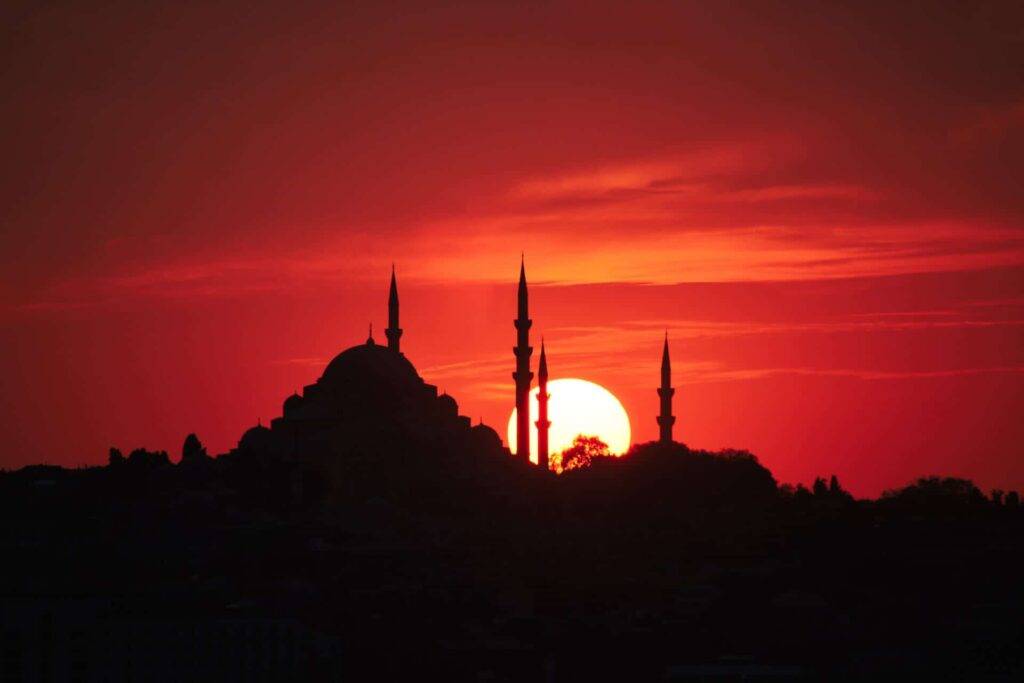 Photo by Osman Köycü on Unsplash
During the Ottoman Empire, Turkish faced challenges as Persian and Arabic were often preferred in literature and administration. Yet, it endured as a unifying thread, symbolizing cultural resilience. Key figures like Ali Şîr Nevaî elevated its literary prestige, and Mustafa Kemal Atatürk modernized and democratized its use through far-reaching reforms.
Today, Turkish thrives as a bridge between East and West, carrying the legacy of its rich history and the contributions of those who ensured its survival. Its story reflects the enduring power of language to unite a people and preserve their heritage.

Let’s explore five pioneers who shaped this linguistic journey.
1) Ahmet Yesevi (1093–1166): The pioneer of Turkish Sufi literature
Ahmet Yesevi, a Sufi mystic and poet, is considered one of the earliest and most influential figures in Turkish literature. He helped spread Sufism among Turkic-speaking peoples through poetry written in a Turkic dialect. Yesevi’s work helped lay the foundation for Turkish as a literary language in religious and spiritual writing. If you’re trying to place the Sufi thread on a modern map, Konya is the obvious reference point.
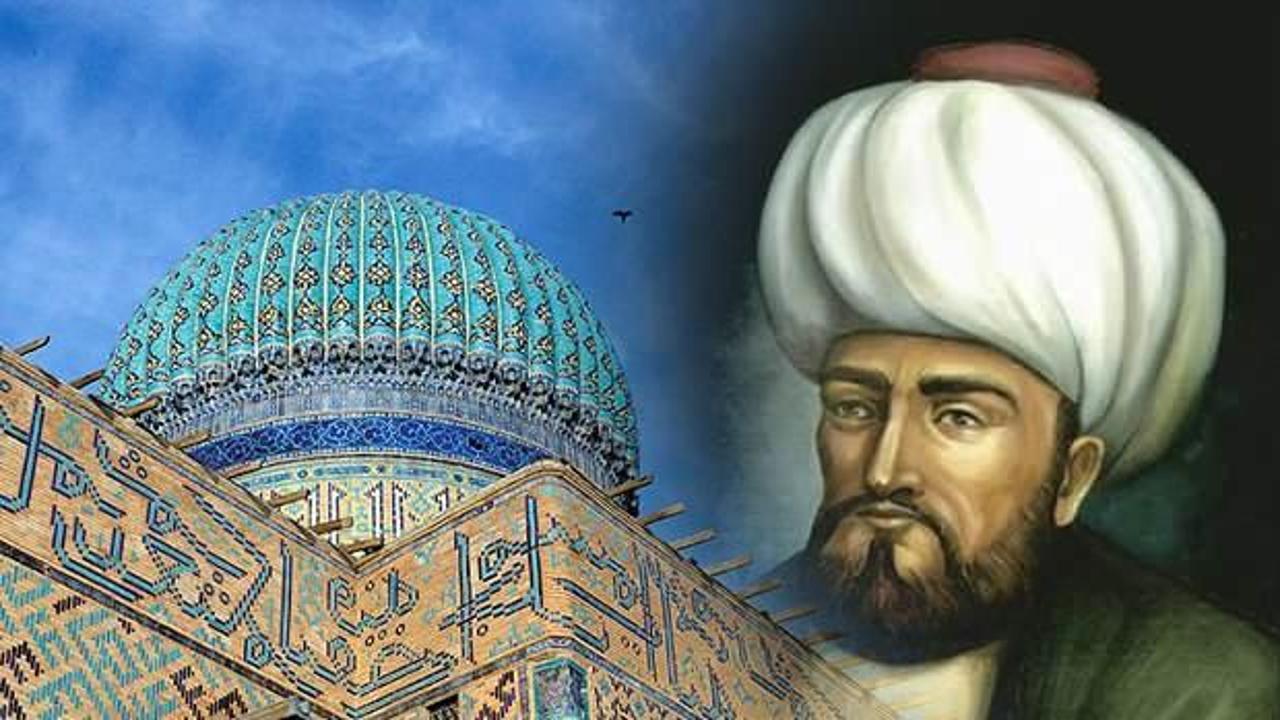
- Notable work: Divan-ı Hikmet
2) Yunus Emre (1238–1328): The voice of the people
Yunus Emre is one of the most beloved poets in Turkish history. His poetry—simple in language, profound in meaning—made spiritual and philosophical ideas accessible to ordinary people.

His use of vernacular Turkish helped establish Turkish as a legitimate medium for poetry and spiritual discourse.
- Notable works: Risaletü’n-Nushiyye, Divan
3) Ali Şîr Nevaî (1441–1501): The champion of Turkish literary expression
Ali Şîr Nevaî, a poet, writer, and statesman of the Timurid era, played a major role in elevating Turkish—especially Chagatai Turkish—to high literary prestige.

In Muhakamat al-Lughatayn (“The Comparison of the Two Languages”), he argued Turkish could match the expressive range of Persian, then the dominant literary language. His output demonstrated Turkish’s versatility and influenced generations of writers.
- Notable works: Muhakamat al-Lughatayn, Khamsa, Divan
4) Fuzuli (1483–1556): The master of Ottoman Turkish poetry
Fuzuli, one of the greatest poets of the Ottoman period, wrote in Turkish, Persian, and Arabic. His Turkish poetry—known for emotional depth and lyrical power—helped shape Ottoman Turkish literature.
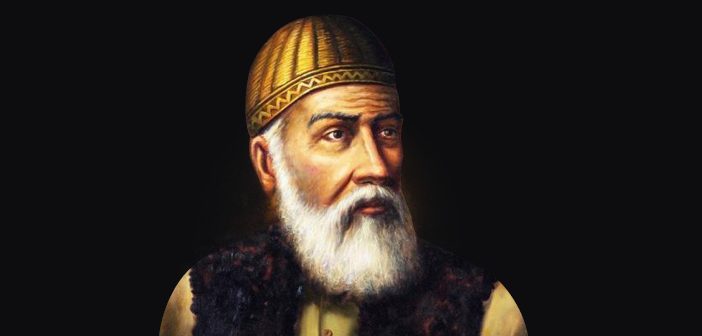
- Notable works: Leyla ile Mecnun, Divan
5) Namık Kemal (1840–1888): A founder figure of modern Turkish literature
Namık Kemal was a leading figure in the Tanzimat reform era of the Ottoman Empire, and a key voice in the modernization of Turkish literary language and public discourse.
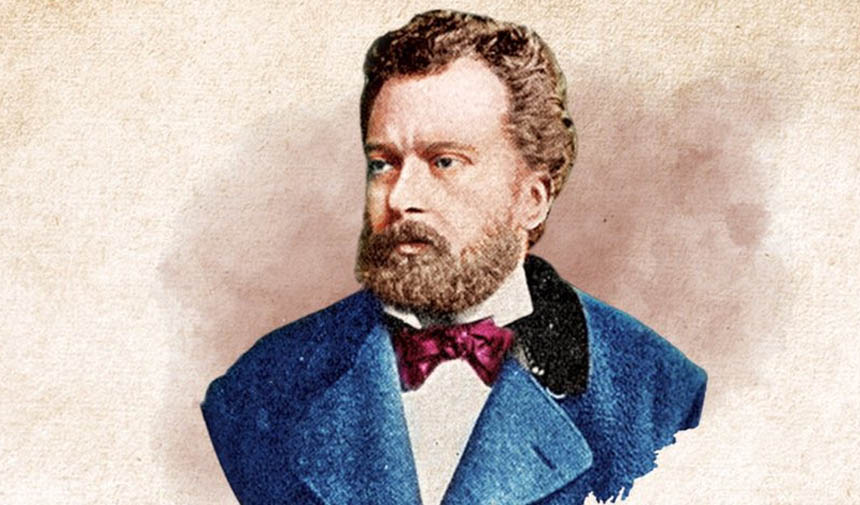
His works emphasized freedom, justice, and national identity—ideas that pushed Turkish prose and political writing toward a modern form.
- Notable works: İntibah, Vatan Yahut Silistre, Celaleddin Harzemşah
Honorable Mentions
Beyond the main list, several other figures made major contributions to Turkish cultural and literary life:
Hacı Bektaş Veli (1209–1271)
A revered Sufi thinker whose influence shaped spirituality and cultural life in Anatolia.
- Notable work (attributed): Makalat (The Discourses)
Tevfik Fikret (1867–1915)
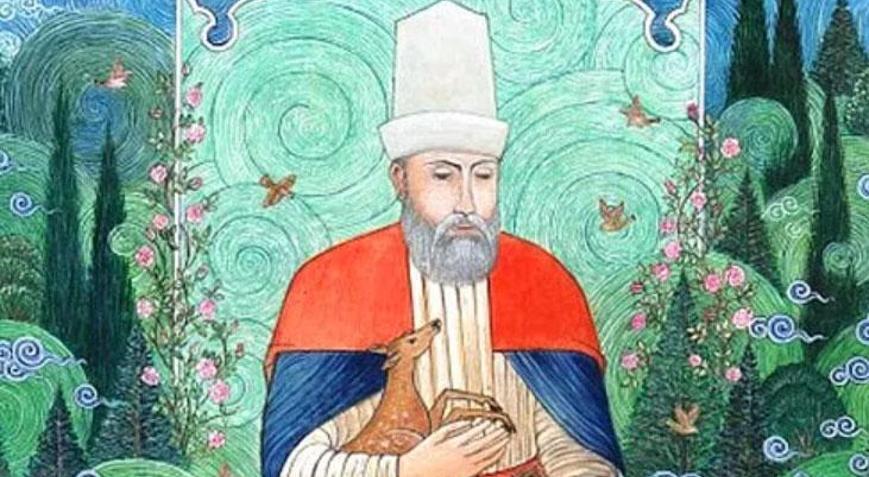
A central figure of the Servet-i Fünun era, known for modernizing Turkish poetic language and themes.
- Notable works: Rübab-ı Şikeste, Haluk’un Defteri

Nâzım Hikmet (1902–1963)
Known for popularizing free verse and socially conscious poetry in modern Turkish literature.
- Notable works: Memleketimden İnsan Manzaraları, Kuvâyi Milliye Destanı
Ziya Gökalp (1876–1924)
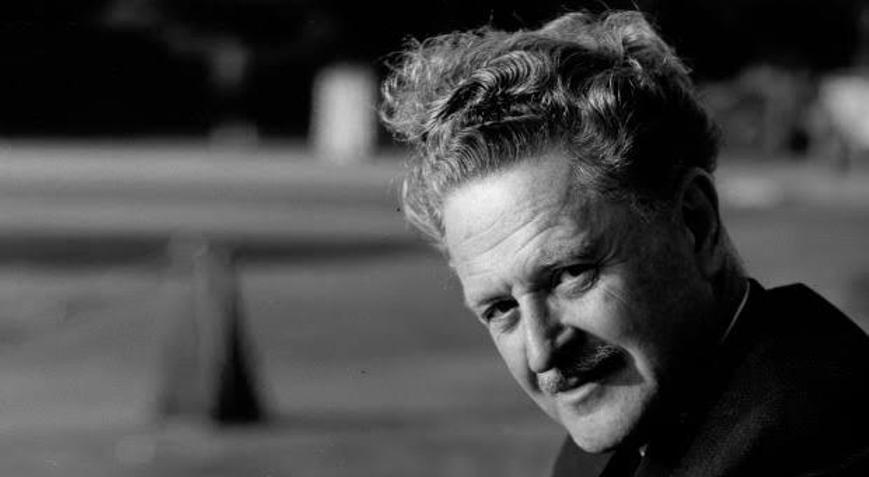
A sociologist and writer whose ideas strongly shaped Turkish cultural identity in the early 20th century.
- Notable works: Türkçülüğün Esasları, Kızıl Elma

Mustafa Kemal Atatürk (1881–1938)
The founder of the Turkish Republic, whose language and education reforms—including the Latin alphabet—reshaped the accessibility and evolution of Turkish in public life.