A thousand metres above Antalya, on the misty crags of Mount Güllük, sits the city Alexander the Great looked at, swore at, and walked away from. Twenty-three centuries later, Termessos remains wild, unfenced, and defiantly empty—a soaring mountain fortress where history wasn’t just written, but carved unyieldingly into the raw limestone.
Table of Contents
The Mountain Fortress in the Clouds
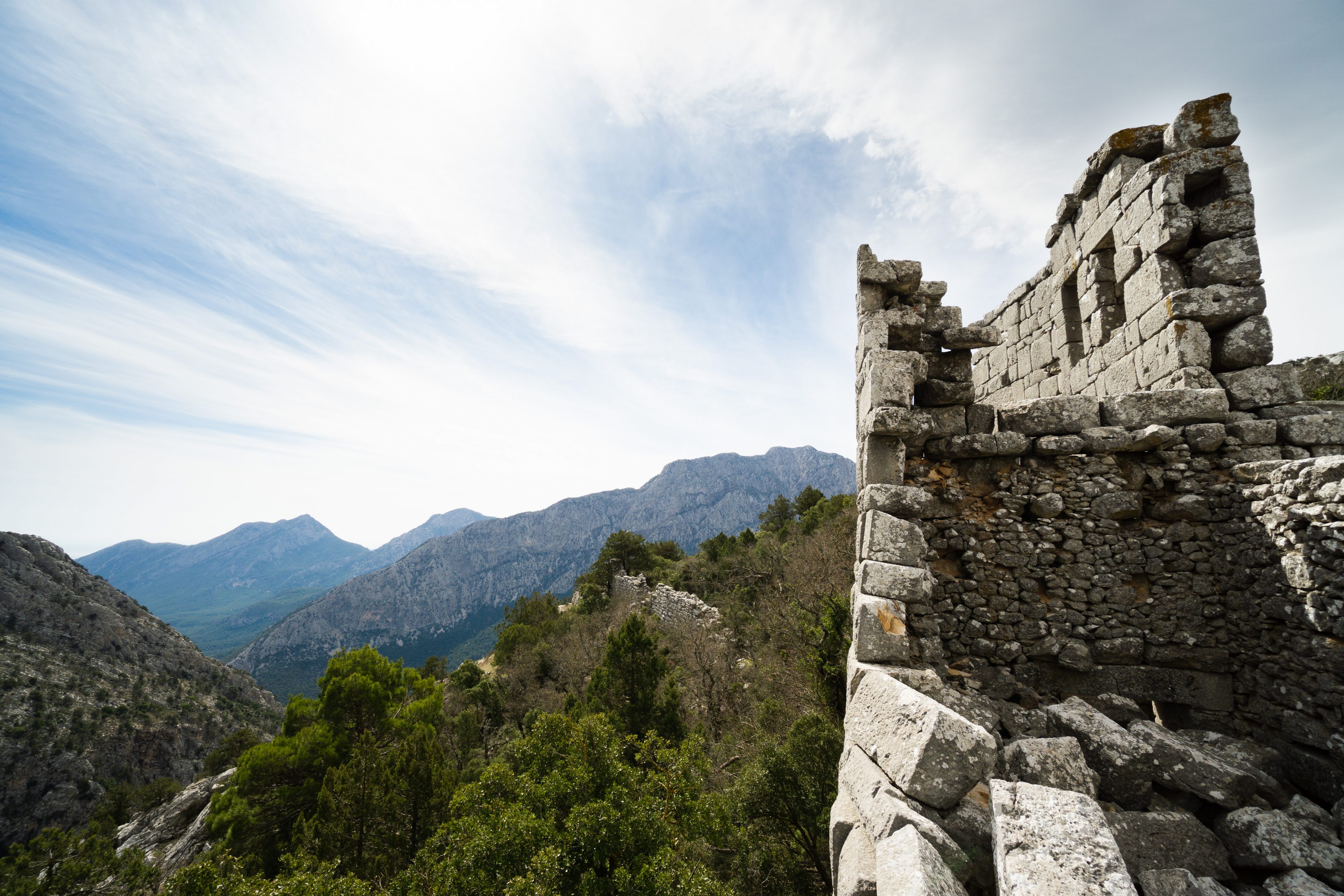
Termessos is unlike any other ancient site in the Mediterranean. While cities like Perge, Aspendos, and Side bargained for wealth along the flat, vulnerable coastlines of Pamphylia, the indigenous Solymoi people chose to retreat straight up into the clouds. Sitting at an altitude of roughly 1,050 metres within a rugged 67-square-kilometre national park, this mountain stronghold became the beating heart of ancient Pisidia.
The founders of the city were fierce, independent, and culturally distinct; Homer immortalized them in the Iliad as the glorious warriors who fought Bellerophon.They built their entire city—and its breathtaking theatre—to look directly at the cone of Mount Solymos (Mount Güllük), honoring their supreme mountain deity with every gathering.
This deliberate isolation created a fortress so impregnable that when Alexander the Great marched his army up the gorge in 333 BCE, he took one look at the sheer cliffs and the self-sustaining rock-cut water cisterns, branded it an “eagle’s nest,” and quietly turned his column north.
Tomb of Alketas: A Story of Honor and Defiance
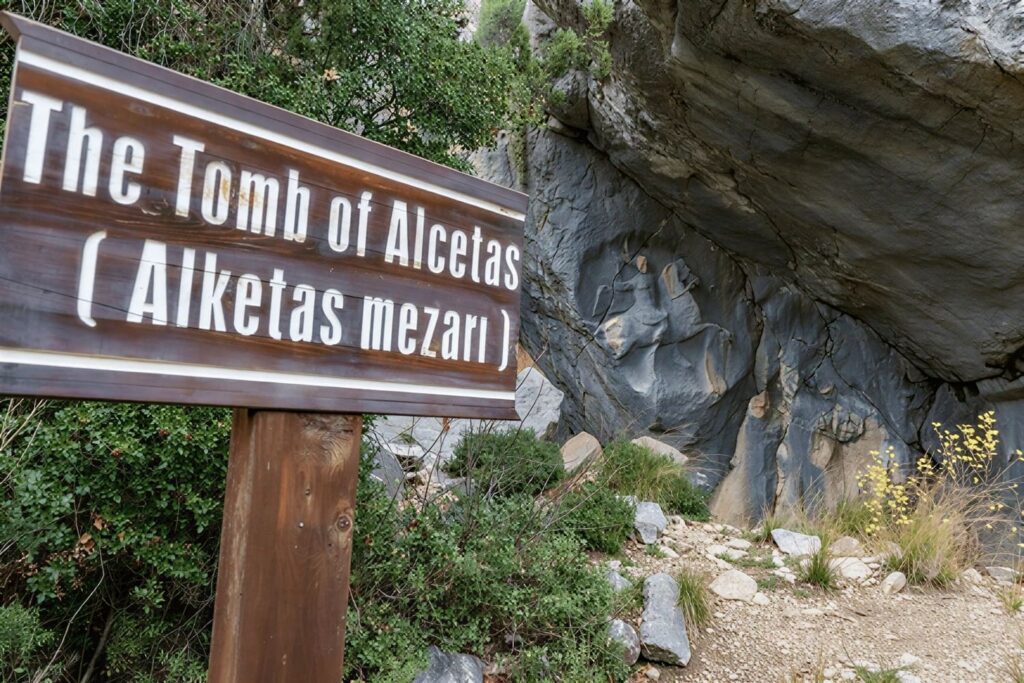
The legend of Termessos’s defiance didn’t end when Alexander the Great marched away. In fact, one of the most haunting monuments on the mountain turns the Alexander story completely sideways, showcasing the fierce loyalty of the mountain people.
Following Alexander’s sudden death in 323 BCE, his top generals—the Diadochoi—immediately turned on each other in a bloody war for succession.
Among them was Alketas, who was decisively defeated by his rival, Antigonus the One-Eyed, in 319 BCE. With nowhere left to run, Alketas fled high into the Pisidian highlands, seeking sanctuary behind the impregnable walls of Termessos.
A City Divided: Elders vs. Youth
Antigonus marched his massive army to the base of the cliffs and demanded the fugitive be handed over. What followed was a dramatic, generational civil clash within the city walls. Fearing the total destruction of their city, the elder statesmen of Termessos secretly negotiated with Antigonus to surrender Alketas.
However, the young warriors of the city, who had given Alketas their sacred word of protection, flatly refused to break their promise. They took up arms, prepared to fight both their own elders and the army of Antigonus to defend their guest.
This was more than a political dispute; it was a fundamental clash between the pragmatism of age and the unyielding honor of Pisidian youth. For these young fighters, breaking a blood pact of hospitality was a fate far worse than facing the most powerful army in the Mediterranean.
Honor Carved in Stone
Trapped between an external siege and an internal coup, Alketas took his own life rather than be captured. Antigonus dragged his body outside and defiled it for three days, triggering an wave of public outrage among the Termessians.
Once the army finally retreated, the youth of the city recovered his remains and buried him with full military honors. They carved his final resting place directly into a sheer cliff face on the eastern slope: the Tomb of Alketas.
Still visible today, this monumental rock-cut tomb features beautifully sculpted reliefs of a hoplite shield, a helmet, a sword, and a warrior charging on horseback. Climbing the isolated side path to this spot offers an incredible realization: this isn’t just an ancient grave. It is a monument of absolute defiance, carved in stone to prove that the youth of Termessos kept their word.
The Eagle's Nest That Defied Alexander the Great
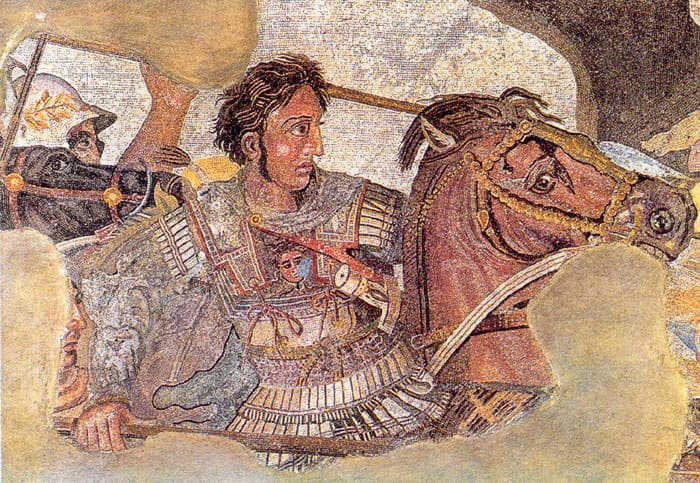
Long before the youth of the city stood their ground at the Tomb of Alketas, Termessos had already cemented its reputation as a place where empires came to break their teeth. The defining showdown that established this fierce legacy of independence took place centuries earlier, in 333 BCE.
Alexander the Great was sweeping victoriously eastward through Anatolia when his marching column ran headlong into the defiant people of Termessos at a treacherous, narrow mountain pass just below the city limits. The ancient historians Arrian and Strabo provide the dramatic outline of what happened next.
The Termessians blockaded the precipitous gorge with only a small holding force. While Alexander managed to force his way through that initial choke point, the real challenge lay ahead. Looking straight up at the dizzying mountain fortifications soaring above him, the Macedonian king reportedly branded the city a literal “eagle’s nest.”
The Defiance of the Cisterns
Rather than waste his elite army storming vertical limestone cliffs, Alexander attempted to encircle the stronghold. He quickly realized the futility of his strategy because the city’s massive rock-cut cisterns held far more fresh rainwater than his siege lines could ever outlast, and the natural mountain rock faces made scaling the defensive perimeters completely impossible.
Recognizing a losing battle, Alexander quietly turned his column north, venting his immense frustration on the neighboring Pisidian city of Sagalassos instead. By holding their ground, Termessos joined an incredibly exclusive list: the handful of cities across the known world that Alexander the Great simply could not conquer.
In an era dominated by relentless Macedonian military propaganda, this historic standoff was a massive badge of honor—and the Termessians absolutely knew it. They proudly leveraged this legendary reputation to maintain their status as a free, fully autonomous people for the next three centuries, creating the very culture of unyielding honor that would later inspire the young warriors to protect Alketas at all costs.
8-Day Journey Through Ancient Anatolia
Embark on an extraordinary eight-day archaeological and coastal journey across the Turkish Riviera with The Other Tour. Beginning in Antalya, this curated expedition connects majestic mountain ruins, coastal Lycian sanctuaries, and Aegean cities, culminating in a seamless, unforgettable return to Antalya.
Roman Alliance and Abandonment of Termessos
The independent spirit that protected Alketas eventually guided the city into a clever alliance with Rome. By supporting the empire’s 2nd-century BCE eastern campaigns, Termessos earned civitas libera—formal independence under Roman law. This rare status exempted the city from imperial governors and let them mint their own coins.
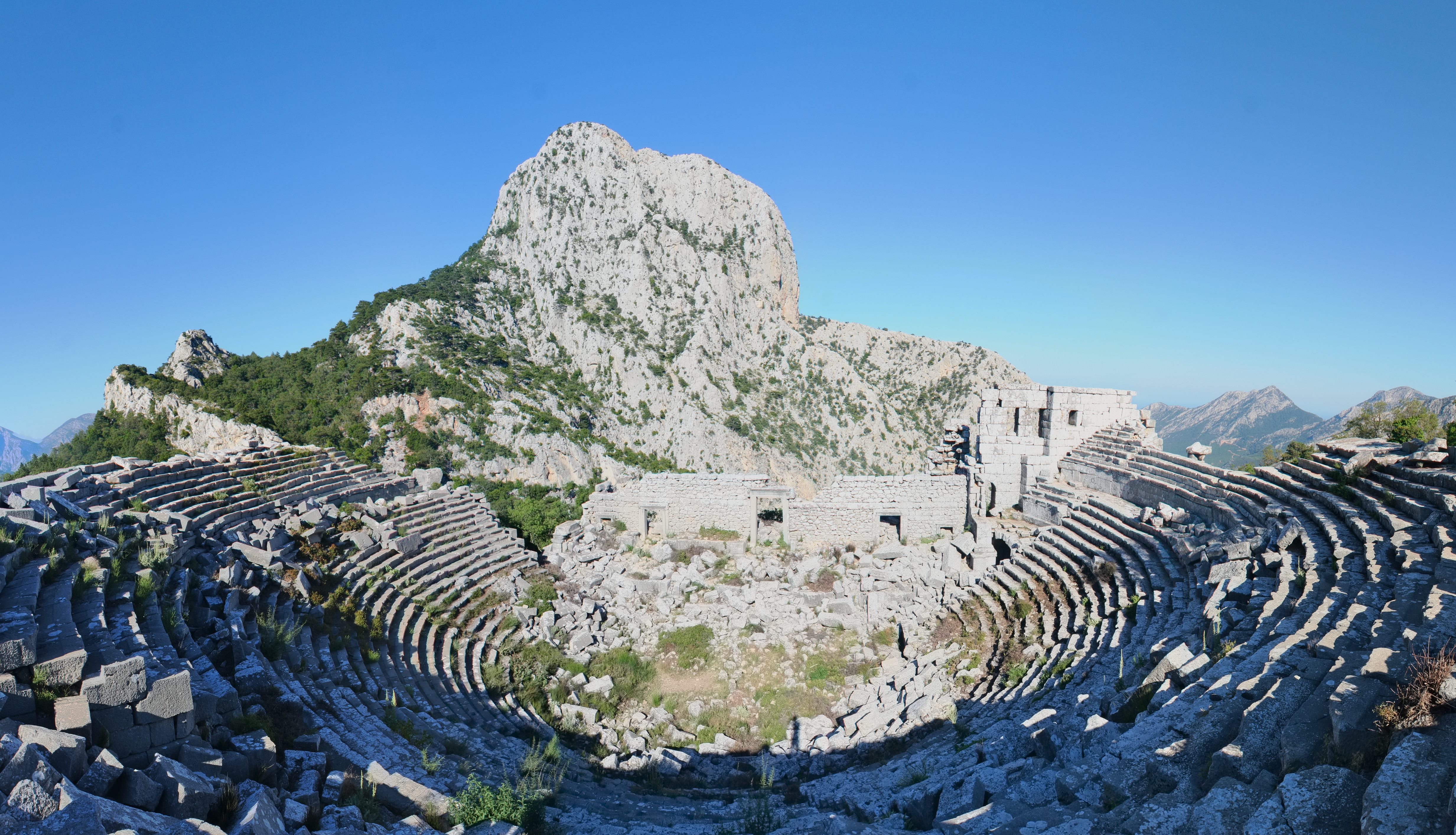
The Pisidians used this wealth to rebuild their mountain stronghold with grand Roman marble architecture. However, no treaty could protect the city from nature. Sometime in the 4th or 5th century CE, a severe earthquake shattered the grand colonnades and cracked the vital plaster-lined cisterns.
Combined with heavy droughts, the broken water system made mountain survival impossible. The population slowly left the peaks for the water-rich plains of Pamphylia below. Termessos was never sacked or rebuilt—the people simply walked away, leaving a Roman metropolis frozen in time.
Explore Termessos Step-by-Step with Ümit Işın
For the traveler who wants to look beyond the stone and truly touch the history of the Pisidian highlands, we have designed a specialized, immersive 24-hour journey. Guided by master archaeologist Ümit Işın, this private expedition transforms a rugged mountain hike into a vivid, unfolding historical narrative.
Landing in Pamphylia and the Archaeological Hub
Arrival & Setup
Your journey kicks off early in the morning at Antalya Airport (AYT), where our private transport picks you up straight from the terminal. From here, we make a brief, essential stop at the Antalya Archaeological Museum in the heart of the city.
Before climbing the mountain, Ümit Işın walks you through the museum’s spectacular Pisidian galleries, introducing you to the beautifully preserved Termessian sarcophagi and artifacts that we will soon be contextualizing in the wild.
The Scenic Drive to Mount Solymos
Transit to Güllük Dağı National Park
Leaving the coastal city behind, we drive northwest along the scenic, winding highway toward the Güllük Dağı-Termessos National Park.
Over the course of the 45-minute drive, the Mediterranean humidity drops as the jagged limestone peaks of the Taurus Mountains rise around us.
Ümit Işın uses this transit time to brief you on the terrain, the unique microclimate of the alpine pine forests, and the military strategy behind the mountain’s legendary defenses.
Arriving at the Base and the Official Starting Point
The Main Entrance Gate
We pull up to the Termessos National Park Entrance Gate and Visitor Center, located at the absolute base of the mountain. This is our official starting location for the expedition.
Here, we double-check our gear, secure plenty of fresh water, and complete the registration. From this lower checkpoint, our vehicle takes us up the steep, dramatic 9-kilometer mountain road, passing through the outer defensive walls to the upper parking area where the true foot expedition begins.
Stepping onto Necropolis Street
The Lower Ruins
The mountain boot-work begins. We lace up and instantly step onto Necropolis Street. Walking past hundreds of monumental Roman-era limestone sarcophagi cracked open by ancient tomb raiders, Ümit Işın deciphers the weathered stone carvings for you—pointing out the shields of fallen soldiers, civic garlands, and protective Medusa reliefs that still guard the forest path.
Through Hadrian's Gate to the Great Cisterns
The Civic Core
We push upward along the ancient King’s Road, crossing the lower defensive walls to arrive at Hadrian’s Gate—the very epicenter of active scientific excavations.
Just beyond the massive, ruined Gymnasion complex, Ümit Işın guides you down to the edge of the five rock-cut cisterns.
Standing over these cavernous, limestone-carved reservoirs, you will learn the exact water-engineering secrets that forced Alexander the Great to abandon his siege.
The Theater and the Tomb of Alketas
The Climax View
We reach the grand finale of the ascent. Step onto the dizzying, 4,200-seat cliffs of the Theatre of Termessos, where the stone seats face directly across a plunging chasm toward the sacred peak of Mount Solymos.
After soaking in the view, we make a short traverse to the raw, rock-hewn Tomb of Alketas, where Ümit Işın details the dramatic, tragic final standoff of the fugitive Macedonian general.
Chasing the Golden Hour Down the Mountain
The Descent
As the late afternoon sun begins to cast long shadows through the wild pine canopies, we begin our slow, careful trek back down to the upper vehicle park. The shifting light offers a completely different perspective on the lower fortifications, making it a spectacular window for photography.
Evening Debrief and Mountain Dinner
Overnight Retreat
We check into our handpicked boutique mountain lodge nestled right on the peaceful edge of the national park.
Over a relaxed dinner of slow-roasted regional lamb, wild herbs, and local wine, Ümit Işın joins you at the table to debrief the day’s discoveries, answer your lingering archaeological questions, and share personal stories from his decades of field research.
Return to the Coast
Final Departure
After a fresh, traditional village breakfast overlooking the pine valleys, our private transport arrives to transfer you smoothly back to Antalya Airport or your next destination along the Turkish coast, concluding your exclusive 24-hour expedition.
Craft Your Custom Mountain Journey
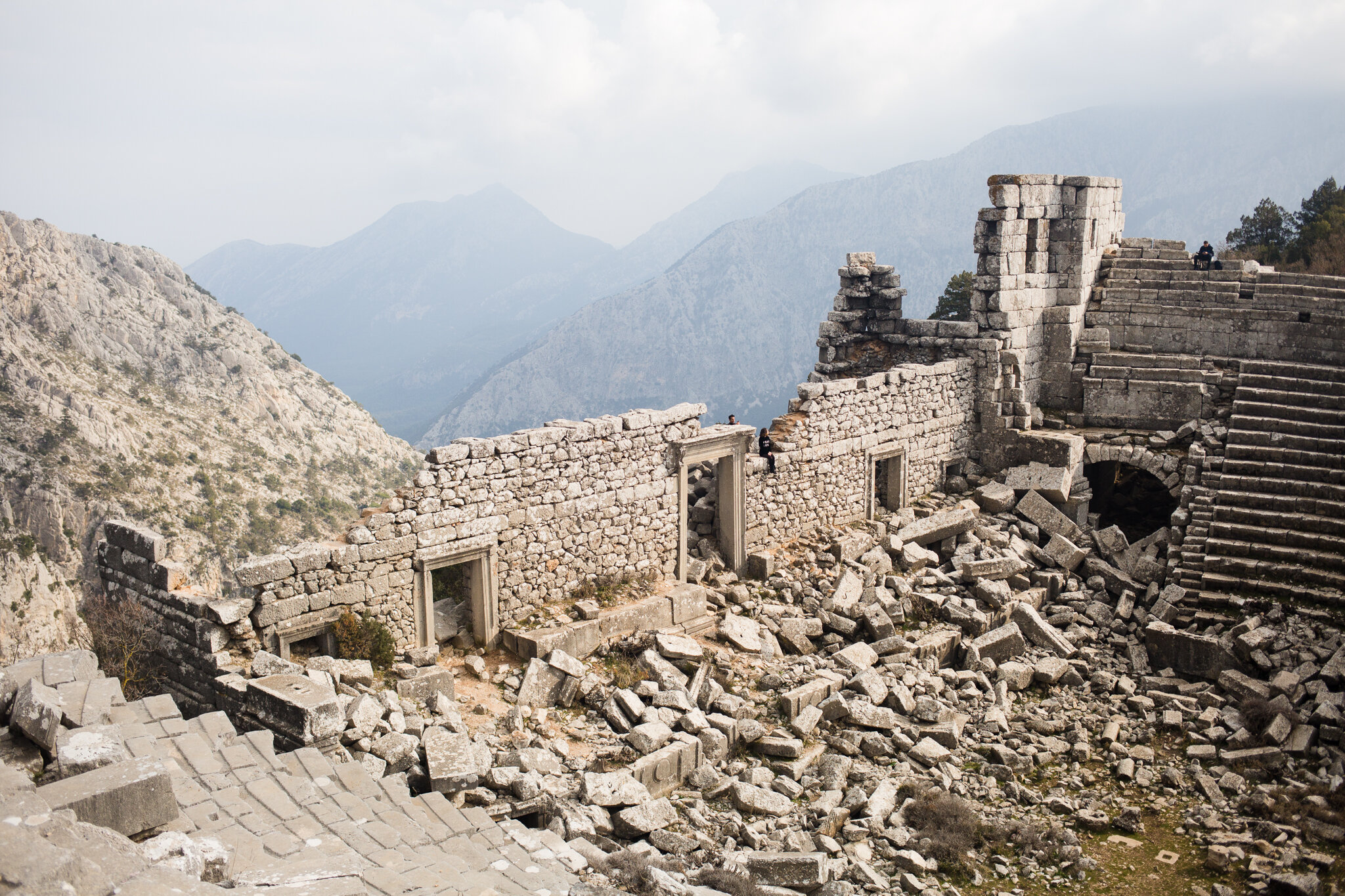
Without deep context, Termessos is just a magnificent pile of mysterious limestone ruins hidden in a forest. With an expert by your side, a five-hour hike transforms into a vivid, gripping masterclass on ancient Macedonian wars, Roman autonomy, and ingenious mountain engineering. Whether you want to experience our 24-hour itinerary with a master regional guide or design a fully customized journey, we handle every detail.
We can seamlessly blend a day trip to Termessos with the Antalya Archaeological Museum, integrate the climb into a multi-day coastal tour, or design a private itinerary tailored exactly to your pace. Reach out to our team today to book your mountain expedition.
Check out all our daily tour itineraries for Antalya. For daily trips from Antalya, click here.