

Nestled in the historic districts of Golden Horn, Beyoğlu, and Princes’ Islands, several churches in Istanbul continue serving active faith communities rather than existing only as monuments.
These sacred spaces reflect Orthodox, Armenian Catholic, and Anglican traditions, revealing a quieter side of Istanbul’s living heritage. Below are five notable churches that showcase this atmosphere.
Table of Contents
Discovering Istanbul’s Christian Heritage
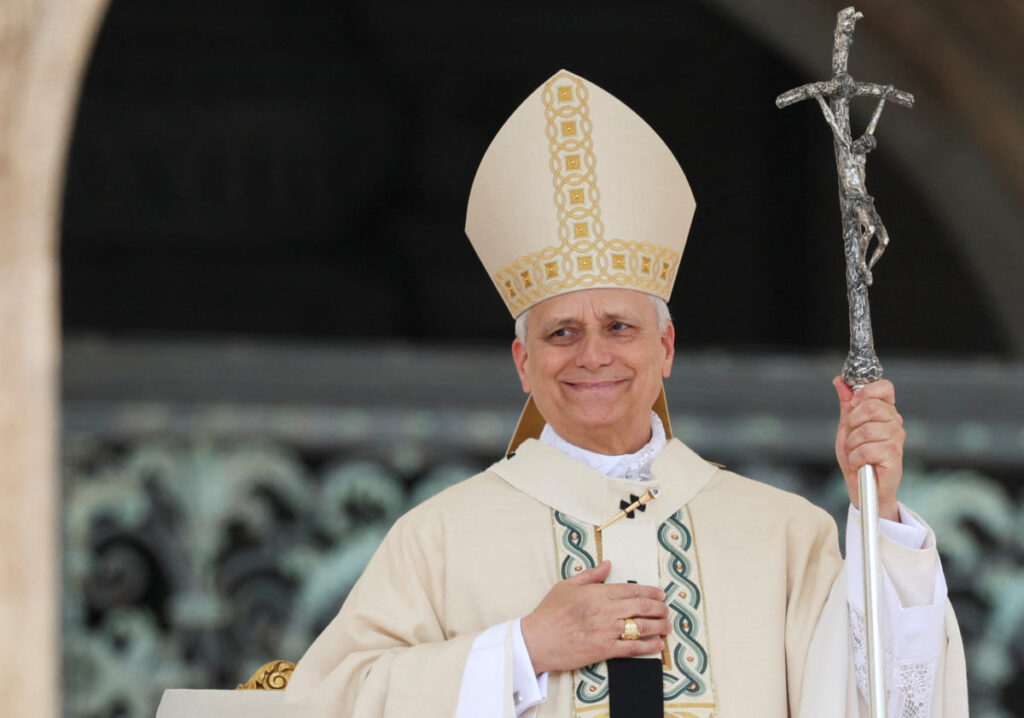
Istanbul has long been a meeting point of civilizations, where different religions and cultures have lived side by side for centuries. Among its many historical layers, Christian communities have maintained a quiet but meaningful presence, shaping parts of the city’s spiritual and architectural identity. Today, several churches continue to function as active places of worship while also standing as reminders of the city’s diverse past.
Exploring these churches offers a chance to see a different side of the city — one that moves away from grand imperial monuments and focuses instead on community life, tradition, and living heritage. From hidden courtyard churches to island hilltops and historic urban streets, these spaces reflect the cultural richness that has long defined the character of Istanbul.
Exploring Five Sacred Churches Across Istanbul
This collection of churches reflects the quiet and enduring Christian heritage of Istanbul, spanning different communities, districts, and architectural styles. From the historic Patriarchate in Fener to the island atmosphere of Büyükada, each church offers a unique glimpse into history, faith, and community life. Together, these five sacred spaces represent the living spiritual diversity that continues to shape the city today.
1. Aya Yorgi Church at the Ecumenical Patriarchate
Just one street behind the main road in Fener sits the Ecumenical Patriarchate, based here since the 1600s. When you arrive, you’ll notice three gates—and one of them, the central “main” gate, has been sealed shut since 1821. Tradition links its closure to the execution of Patriarch Gregory V in front of that gate, and it has never been opened again.
Inside the courtyard is the Patriarchate’s church: Aya Yorgi (St. George), largely associated with the 1700s. Step into the narthex and you’ll meet St. George in icon form—then deeper inside, the atmosphere shifts: glittering gold icons and a striking iconostasis (altar screen) said to have taken decades to complete. It’s one of the best places in Istanbul to feel how luminous Byzantine church interiors once looked.
2. Surp Hovhan Vosgeperan Armenian Catholic Church
Turn off İstiklal Avenue near the French Consulate and suddenly a massive Armenian Catholic church appears on Zambak Sokak: Surp Hovhan Vosgeperan—often described as the community’s most grand church in Istanbul, with space for roughly 600 worshippers.
It began as a 19th-century wooden church and later grew into the monumental structure visitors see today, associated with architect Garabet Tülbentçiyan and the mid-1800s rebuilding.
Inside, look for the rich altar program: imagery of the Crucifixion, the Deposition from the Cross, and Armenian saints—plus a fascinating dedication to “Golden-Mouthed John” (St. John Chrysostom), famed for his oratory.
3. Surp Pırgiç Armenian Catholic Church
Next to Saint Benoît’s French school area in Karaköy is Surp Pırgiç, a church that surprises first-time visitors because its exterior reads “European Catholic” more than “Eastern.” The church’s roots trace to the early 1830s, reflecting the moment Armenian Catholics were recognized as a distinct community in the Ottoman Empire.
A local story you’ll hear here connects faith and public health: during a 19th-century plague outbreak, an icon of Mary and Child was carried in procession through the streets—after which the epidemic was believed to have ended. The tradition continues in a smaller form today, tied to specific days of veneration.
4. Crimean Memorial Church
The Crimean Memorial Church is a quiet Victorian Gothic church hidden behind the streets of Galata in Istanbul. Designed by George Edmund Street, it features pointed arches, rose windows, and a graceful nave reflecting 19th-century Gothic Revival style.
Built as a memorial to the Crimean War during Ottoman–British relations, the church now stands as a peaceful historical site for visitors. Walking around the exterior gives a sense of European ecclesiastical architecture within Istanbul’s urban heritage.
Today, the church is restored and used for community and spiritual purposes, offering a calm and reflective atmosphere inside. The soft natural light and traditional Anglican layout make it a pleasant stop away from the busy streets of Galata. The Crimean Memorial Church continues to represent Istanbul’s multicultural history and living heritage.
5. Surp Asdvadzadzin Verapokhum Church
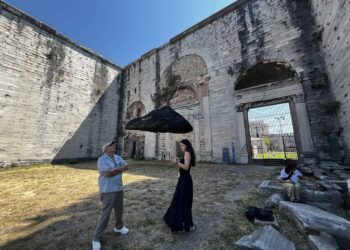
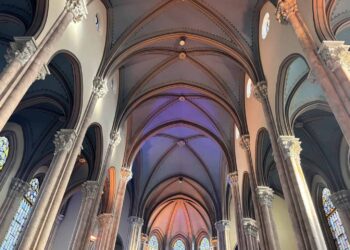
To experience a quieter side of Istanbul’s Christian heritage, take a ferry to the peaceful atmosphere of Büyükada. Near Çankaya on Mehmetçik Street stands Surp Asdvadzadzin Verapokhum Armenian Catholic Church, a church dedicated to the Virgin Mary and often recognized as the only Armenian Catholic church on the Princes’ Islands. The location offers a beautiful combination of island scenery, pine-lined paths, and historical architecture.
The church was authorized by imperial decree in 1856 and officially opened in 1858 to coincide with the Feast of the Assumption. Its bell tower rises roughly 14 meters, and the building has undergone careful restoration in modern times to preserve its structure and heritage. Today, the church continues to serve its community while welcoming visitors who wish to experience the historical and spiritual atmosphere of the island.
Tips for Visiting Churches in Istanbul
Dress and Behavior Inside Churches: When exploring churches in Istanbul, modest clothing and quiet behavior are appreciated since these are active community worship spaces. Speaking softly and moving calmly inside the buildings helps preserve the peaceful atmosphere visitors come to experience. Even if you are visiting mainly for sightseeing, treating the space respectfully is recommended.
Be Prepared for Flexible Opening Times: Many churches in Istanbul are not operated like regular museums. Access to some sites may depend on community services, staff availability, or religious activities. It is a good idea to check visiting hours in advance when planning to explore churches across the city.
Photography Etiquette: Photography rules may vary from church to church, so it is polite to ask for permission before taking photos. Flash photography is usually avoided inside sacred interiors. Respecting these small guidelines helps visitors enjoy the historical and spiritual atmosphere of Istanbul’s church heritage.

Get in touch for a guided tour
The historic churches of Istanbul are more than architectural landmarks — they are living spaces where faith, history, and community continue together. From Fener to Beyoğlu, Karaköy, and the Princes’ Islands, these sacred sites reflect the city’s long multicultural and religious heritage. Visiting them offers a quieter perspective of Istanbul, away from crowded tourist attractions, and reveals the spiritual stories that have shaped the city over centuries.
By exploring these remarkable churches, you help keep Istanbul’s diverse cultural and religious history alive by learning about the communities connected to them. If you would like to experience these historic churches and discover a deeper side of Istanbul’s heritage on your next visit, fill the form below and let us help plan your journey.



Surp Asdvadzadzin Verapokhum is a must visit! People usually miss this one out since its located on the Princes Island but for those who already have Princes Island in their itinerary should visit this magnificent masterpiece. Happy Travels!