
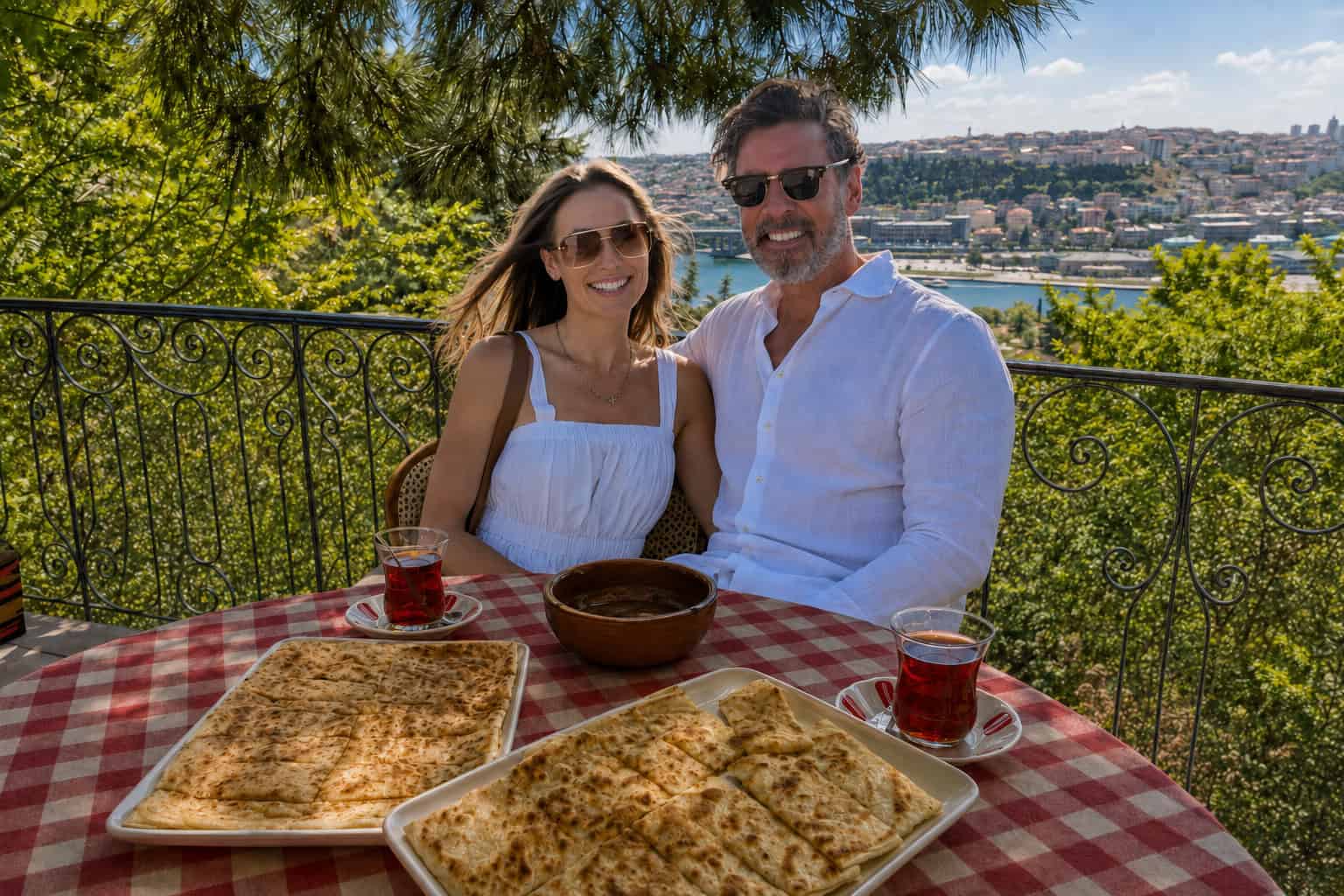
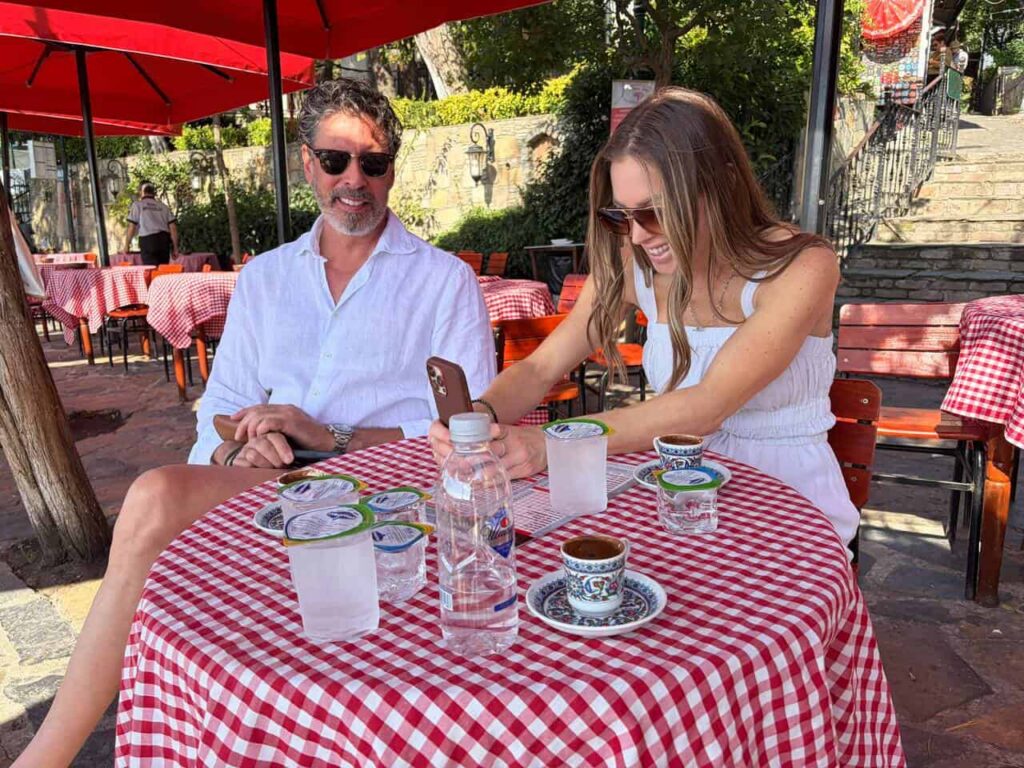
Then came the Turkish coffee. Once the cups were empty, I turned them onto their saucers, let the grounds settle and read their fortunes. Harvey laughed at his prediction. Suzy listened with the expression of someone who had expected a joke and suddenly wondered whether the cup might know more than it should.

That little ceremony did what good food rituals often do in Istanbul: it shortened the distance between three people who had met less than an hour earlier. By the time we returned to the cable car, we were no longer making introductory conversation. The tour had begun properly.
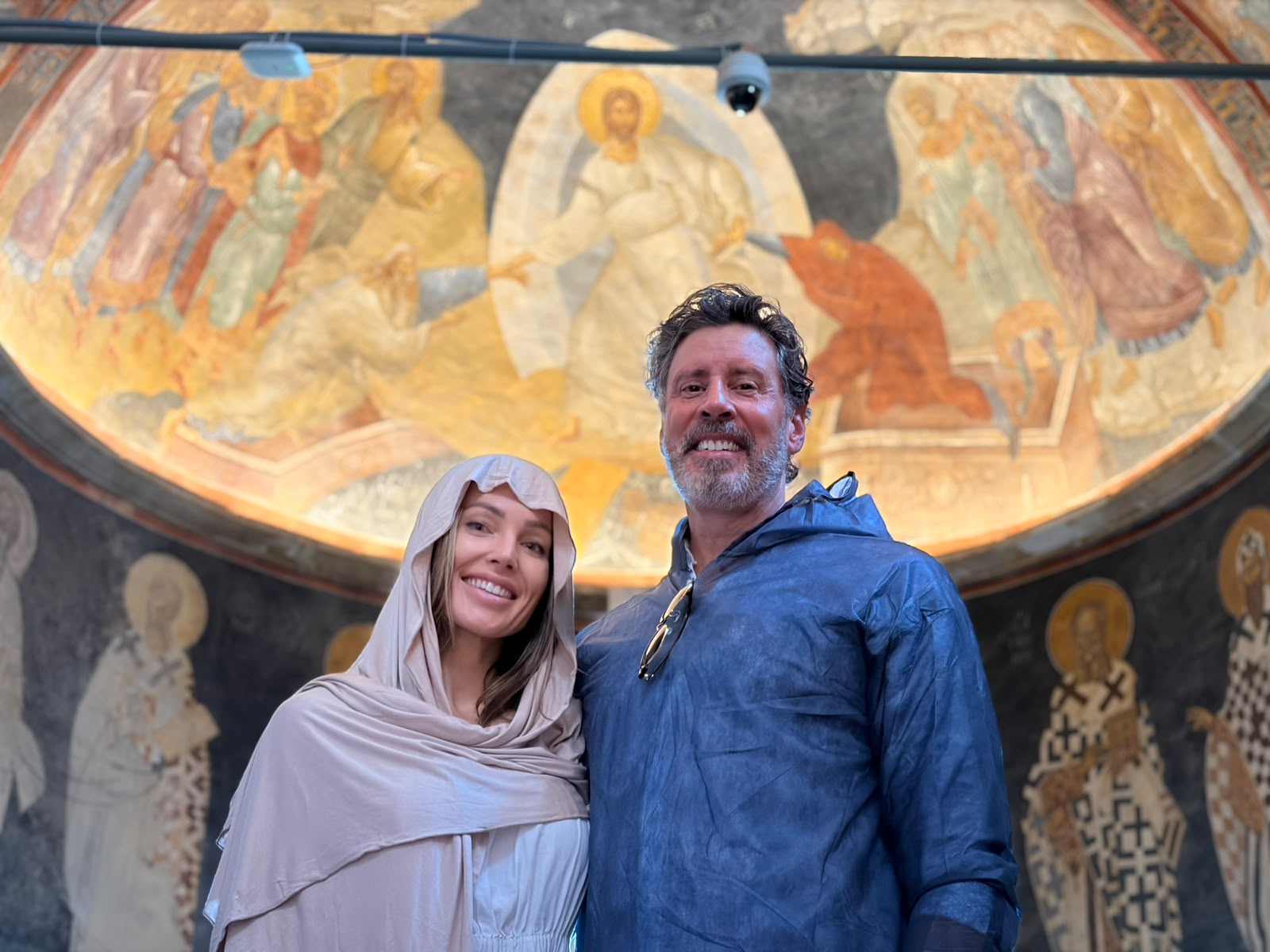
Our next stop was Kariye, known historically as Chora Church. I have favorite places all over Istanbul, but Chora occupies a category of its own for me. Its scale feels intimate enough to study, while its mosaics and frescoes hold an entire theological and imperial world overhead.
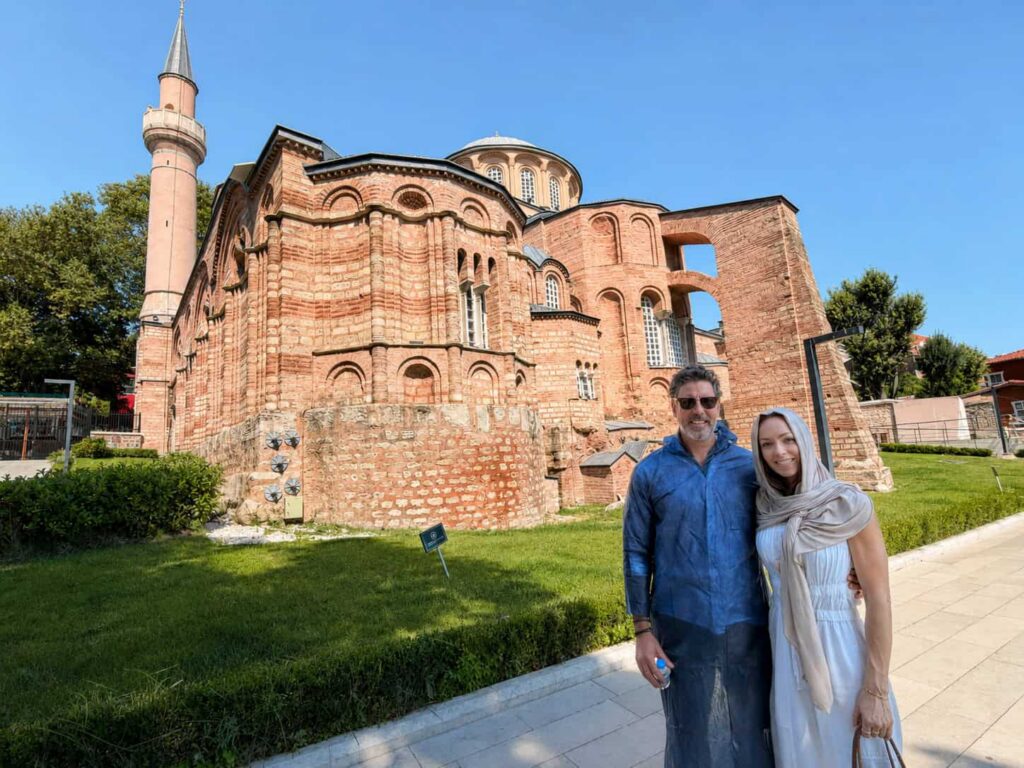
Much of the building visitors see took shape in the Middle Byzantine period. The great decorative cycle came later, in the early 14th century, under the patronage of Theodoros Metochites—scholar, statesman and one of the most powerful figures at the court of Emperor Andronikos II. His portrait still appears above the entrance to the inner narthex, kneeling as he presents a model of the church to Christ.
I walked Suzy and Harvey through the building’s successive lives and the materials that reveal those changes. We followed the mosaics as they turn scripture into movement: figures lean toward one another, garments catch imagined light and human expressions carry the story from one scene to the next.
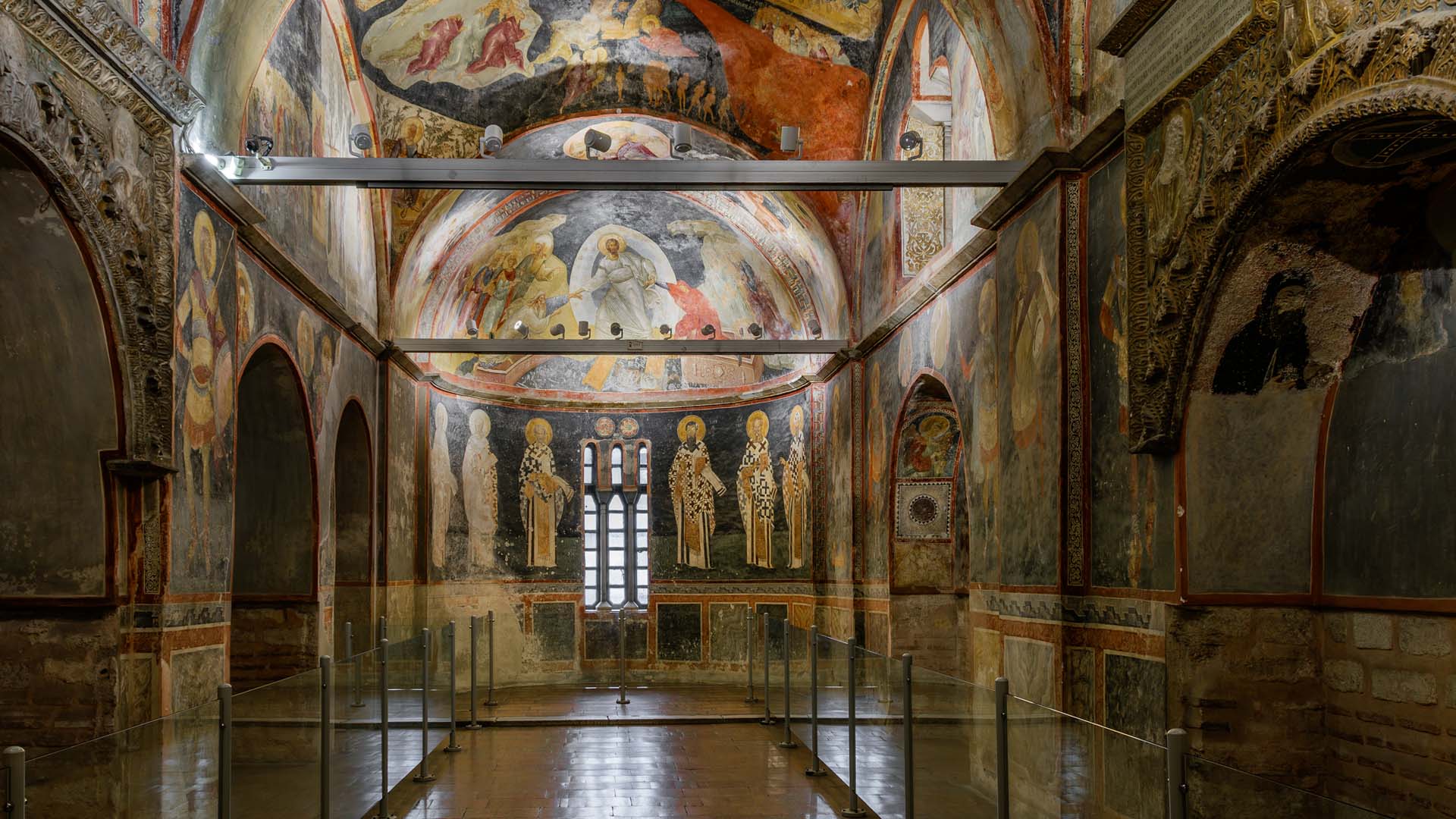
In the parekklesion, the fresco of the Anastasis pulls Adam and Eve from their tombs with a force that still feels startling after seven centuries.
I could see the place taking hold of them. That remains one of the great pleasures of guiding: watching someone stop looking at an old building as an item on an itinerary and begin reading it as the work of real people. Suzy’s eye for composition sharpened the conversation, while Harvey kept drawing us back to the political history behind the art. Chora gave both of them something to follow.
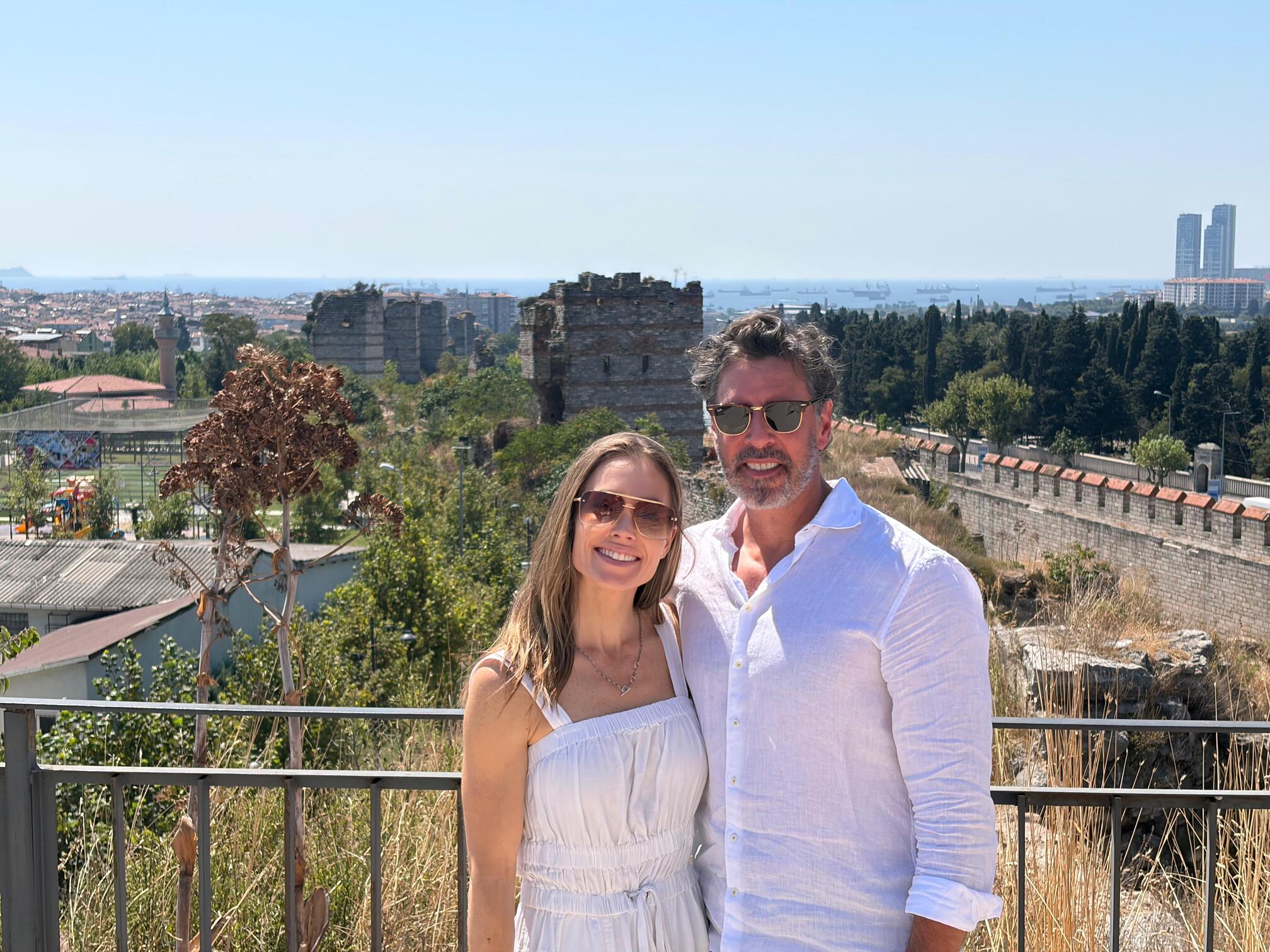
From Chora we continued to Mevlanakapı and the Theodosian Walls. The sequence made historical sense. The name Chora comes from the Greek word for the countryside or the land beyond the city, although scholars still debate whether the monastery’s earliest foundation came before or just after the Theodosian circuit. What we know is visible on the ground: the later walls ran only about 150 metres away and placed Chora just inside a much larger Constantinople.
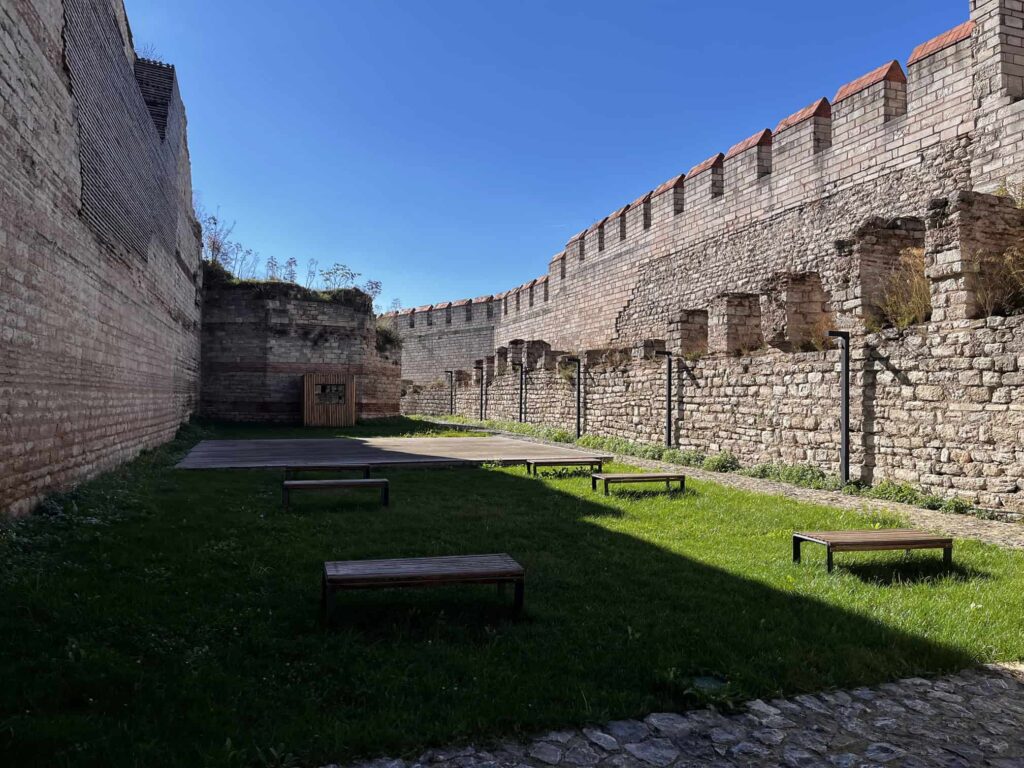
At Mevlanakapı, those fortifications stop being a line on a reconstruction map. We climbed two levels and looked across the surviving layers of the defensive system. Towers, inner wall, outer wall, terraces and ditch once worked together as a machine built to slow, expose and exhaust an attacking army.
I told Suzy and Harvey about the armies that reached these walls, the sieges they survived and the final Ottoman assault of 1453. The stones have absorbed earthquakes, repairs, neglect and modern traffic, yet they still dictate the shape of the city around them. Standing on the masonry gives history a physical scale that no date can provide.
I watched that scale register on both of them. Harvey began asking about the mechanics of the defense; Suzy looked at the broken surfaces, vegetation and neighborhoods gathered around them. They were seeing the same monument through different instincts, which made the conversation far better.
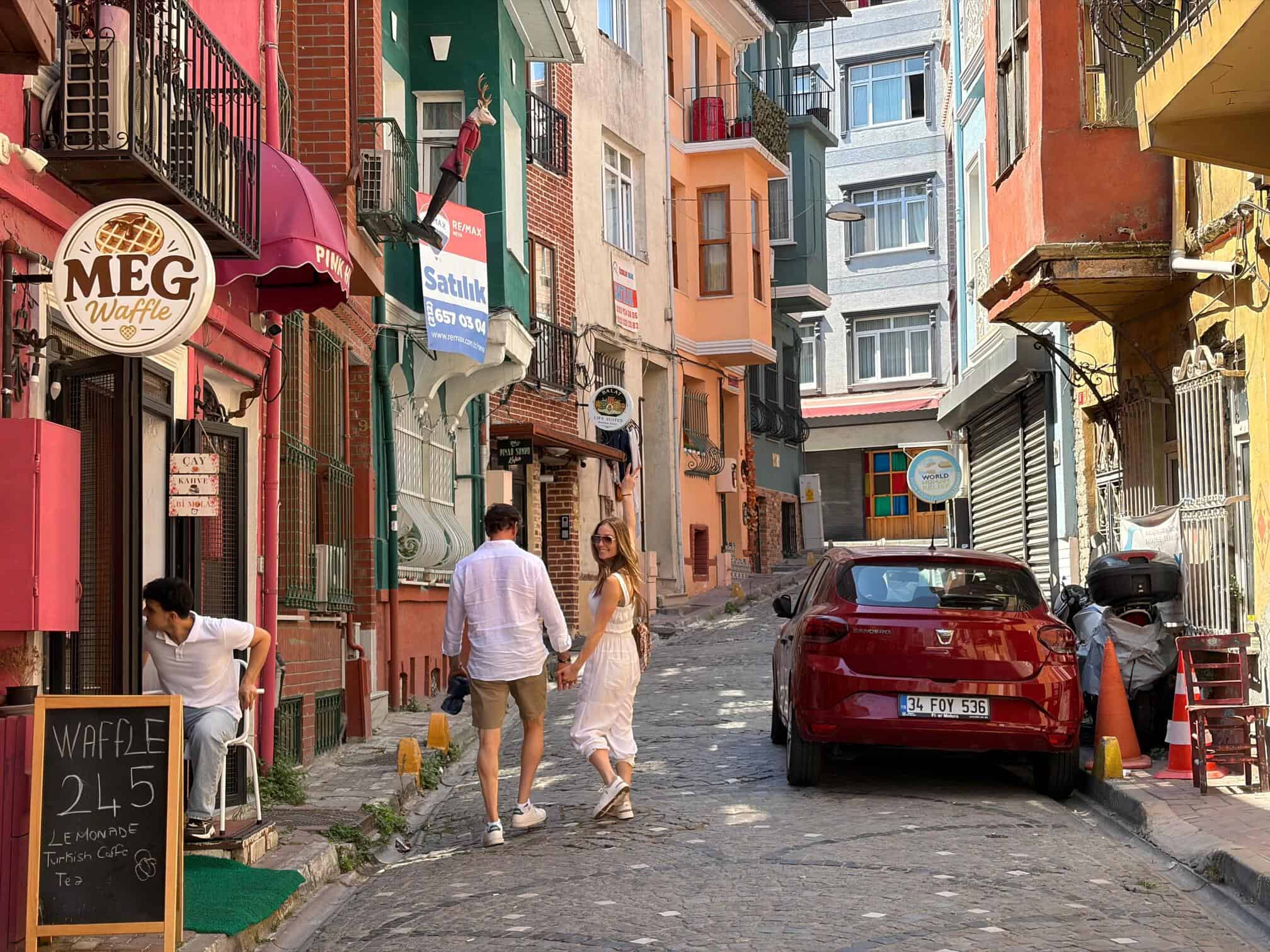
Somewhere in that conversation, Suzy mentioned that she runs an art gallery in Canada. That single detail changed the rest of our route.
A fixed script would have carried us onward to the next scheduled attraction. I took them to Balat.
Balat rewards people who pay attention to surfaces and small decisions. Paint peels from one façade while the building next door carries a fresh, improbable color. Workshops sit behind half-open doors. Laundry, old timber, new cafés, repair shops and religious buildings share streets that refuse to behave like an open-air museum.
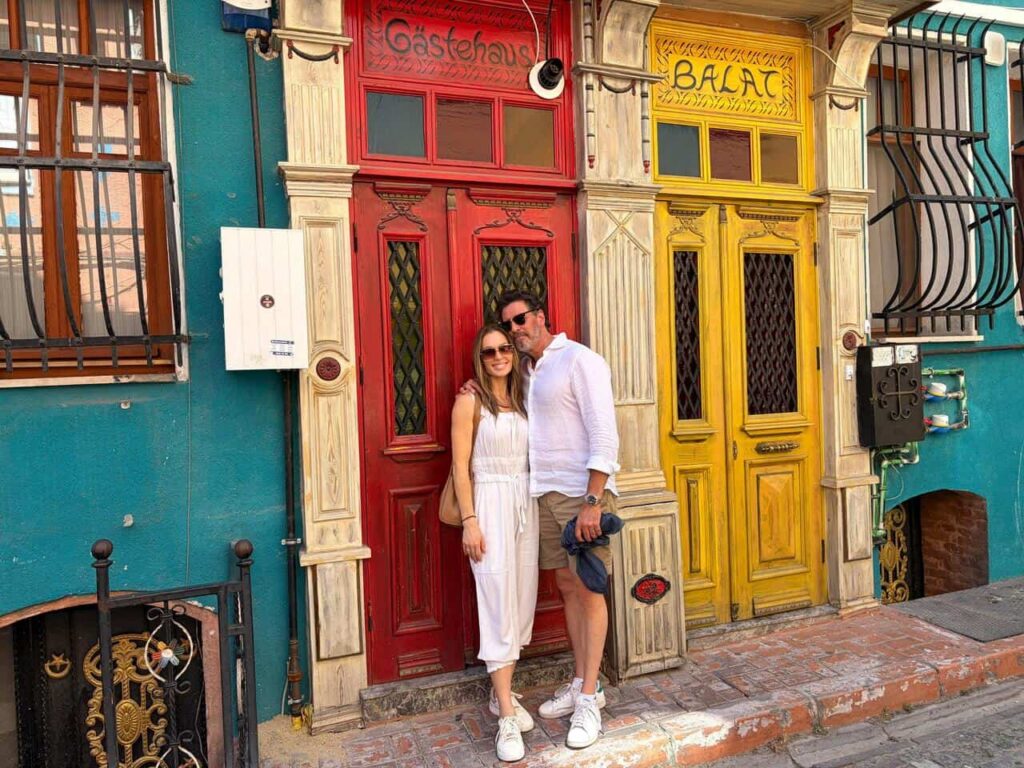
We wandered without forcing a straight line through the neighborhood. I introduced Suzy and Harvey to local artists and craftspeople working in tucked-away studios, and the conversations immediately became more specific: materials, techniques, how people sustain creative work in a changing district, what gets preserved and what disappears. Suzy could speak to them as a fellow professional rather than a passing shopper.
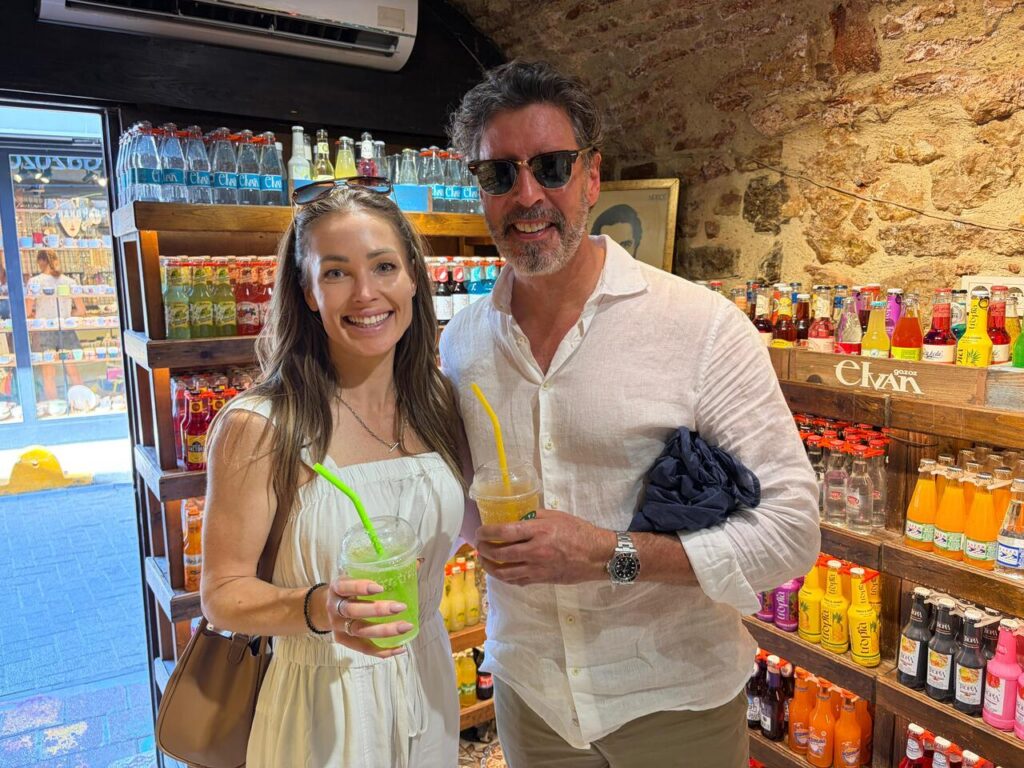
They responded to the neighborhood’s unpolished, lived-in beauty. Before we left, they had already decided to return on a free afternoon. That pleased me more than any completed checklist could have done. A place has landed when guests want to come back without their guide.

Lunch brought us to Fındık Kabuğu’nda Köfte, a welcoming little restaurant in Balat owned by my fellow tour guide Hüseyin Öztürk.
Hüseyin was born in Araklı, Trabzon, and first came to Istanbul in 1996 for his military service at the old Genoese Castle in Kilyos.
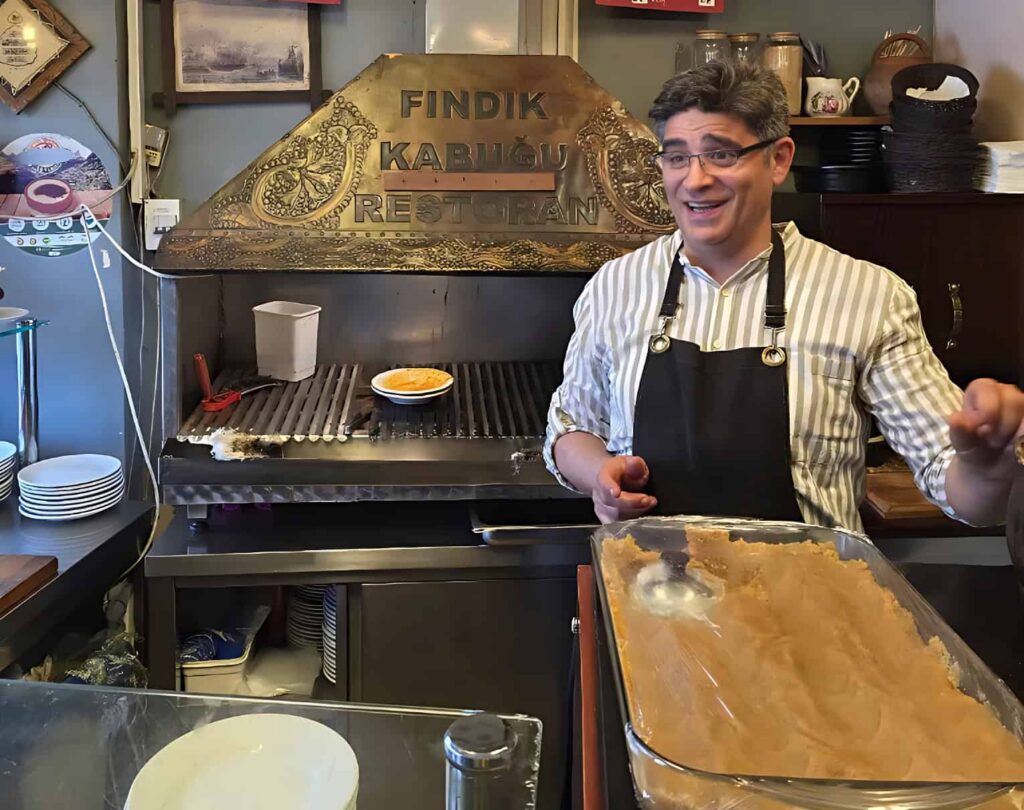
After spending two decades in the restaurant business, he studied Tourism Guidance at Istanbul Gelişim University and became a professional guide in 2021. His restaurant brings those two worlds together: genuine hospitality, excellent local food and the historical curiosity of someone who knows Istanbul far beyond its postcard surface.
The menu also gave us an easy answer to a practical question. Harvey would eat almost anything, while Suzy was vegetarian. Harvey and I ordered the restaurant’s signature köfte topped with melted kaşar cheese.
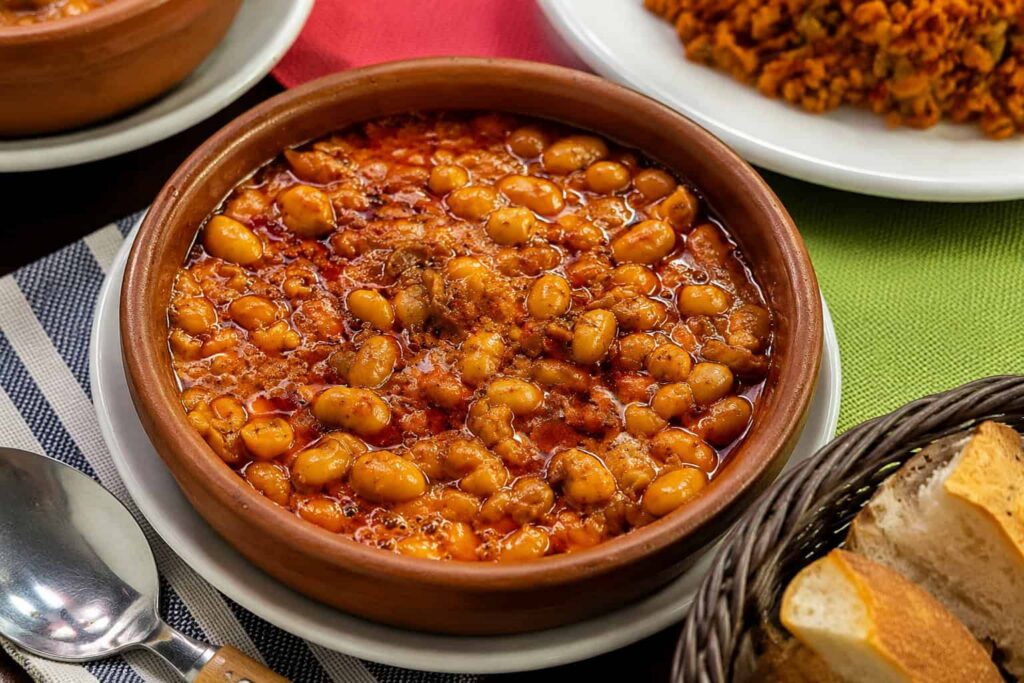
Hüseyin’s pastırmalı kuru fasulye is another house favorite, but Suzy happily built her lunch around a generous selection of vegetarian meze, tasting several different dishes rather than being handed the single token vegetarian plate travelers so often receive elsewhere.

After the intensity of Chora, the city walls and Balat, lunch slowed everything down. We drank Turkish tea and talked without watching the clock. Their curiosity never felt performative; they listened closely, offered their own thoughts and gave every conversation somewhere interesting to go.
That was when I realized how naturally our energies matched. Every guide knows the feeling. You begin the morning responsible for two visitors, then somewhere over lunch you notice that you are spending the day with people whose company you genuinely enjoy.
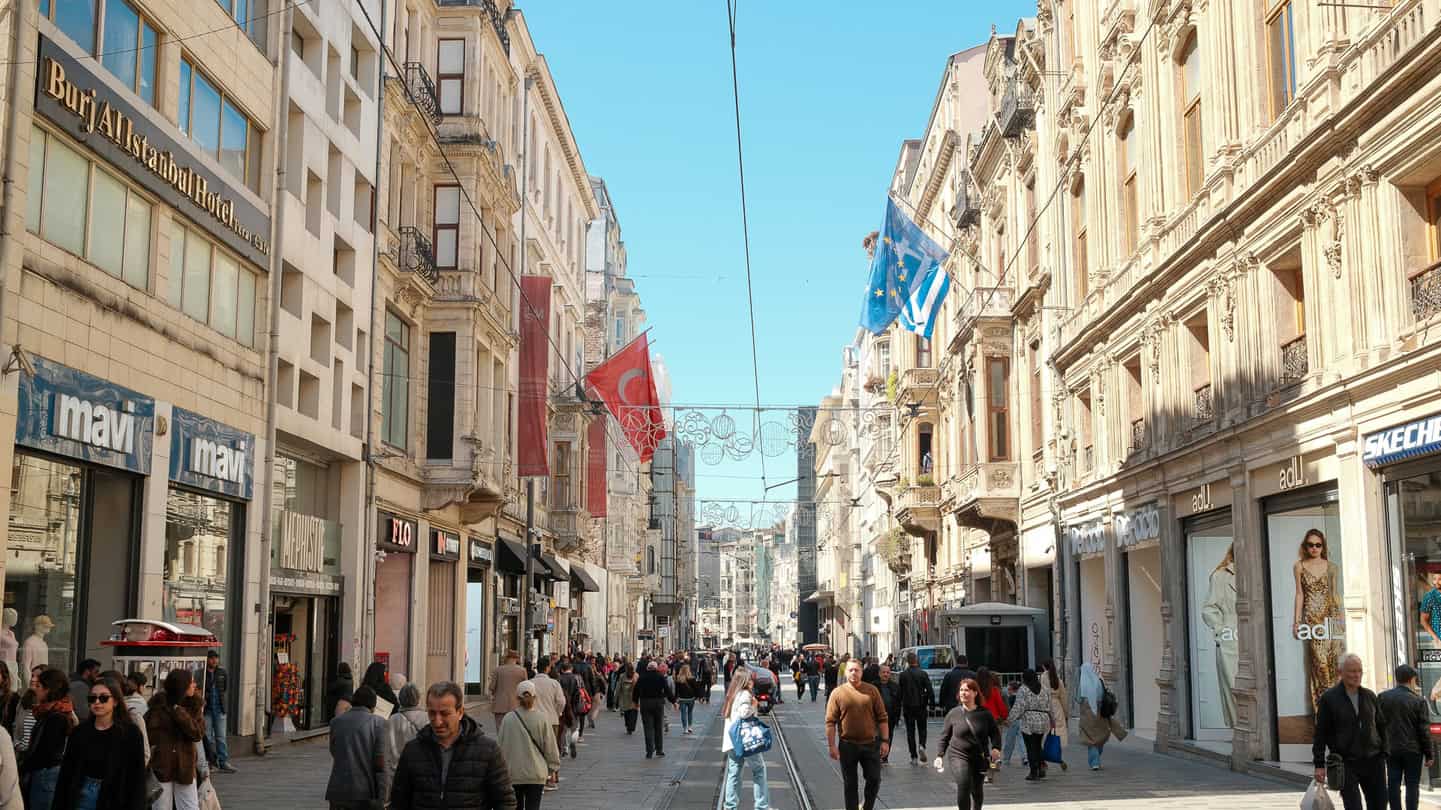
The morning had sharpened their appetite for art and urban detail, so we crossed into Beyoğlu for the second half of the day. We parked near Taksim and started down İstiklal Avenue, where embassies, churches, passages, shops, apartment façades and street life compress several eras into one long pedestrian artery.
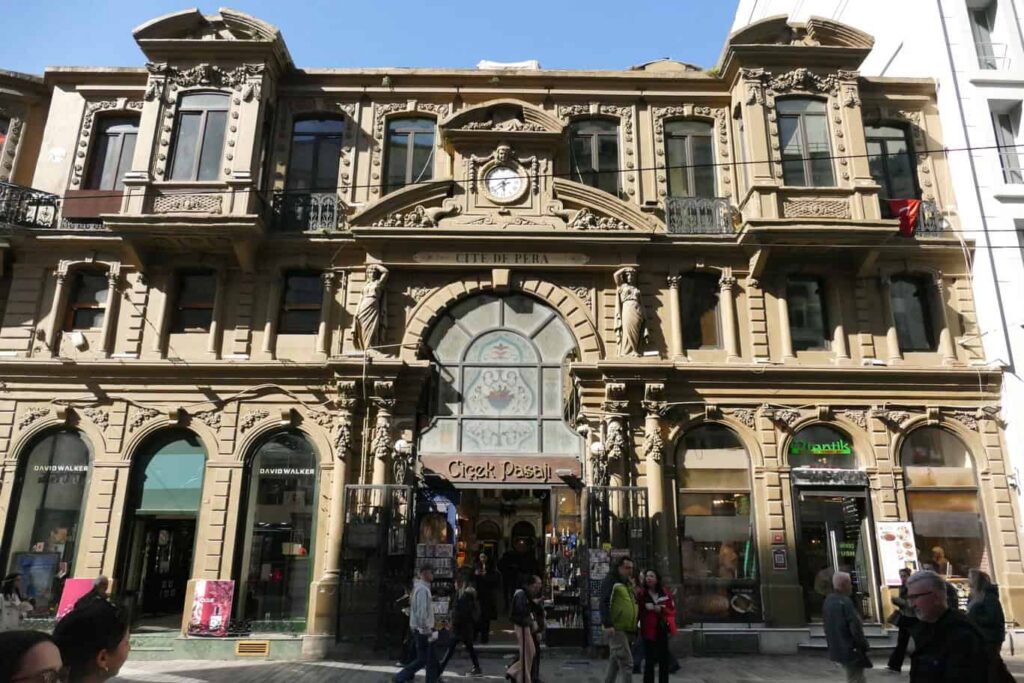
We stepped into Çiçek Pasajı, then continued to the Church of St. Anthony of Padua on the famed Istiklal Avenue.
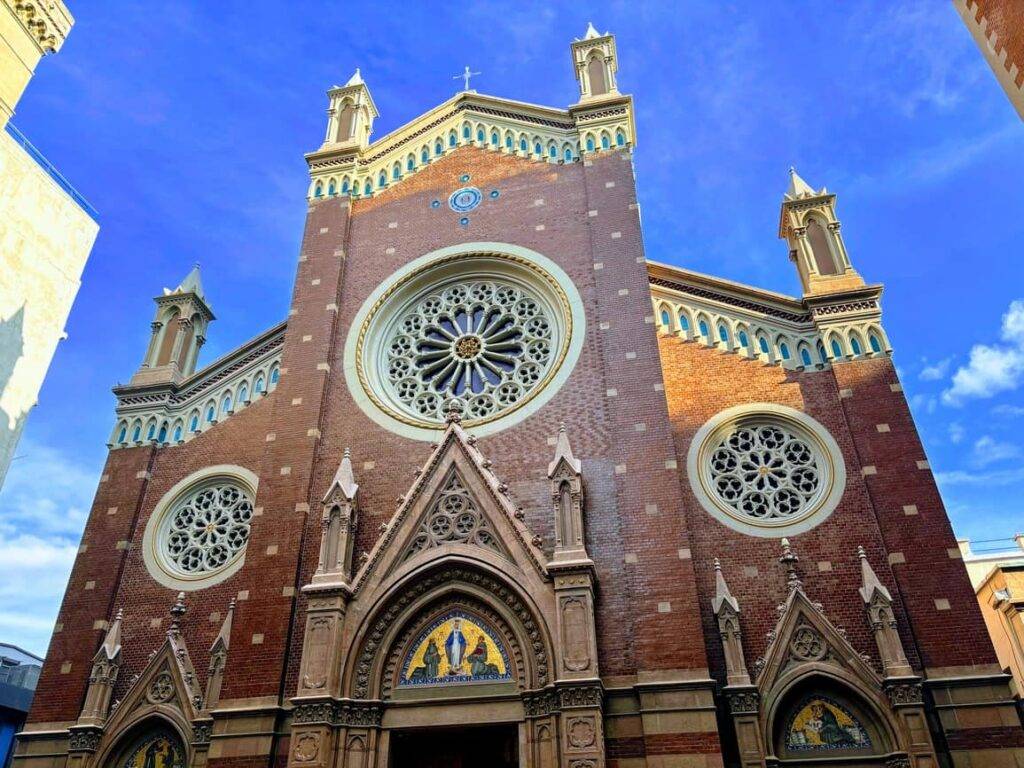
I enjoy this part of Beyoğlu because the obvious route never has to remain the actual route. Side streets keep interrupting the plan with a doorway, a shopfront, a piece of stonework or a view down toward the water.
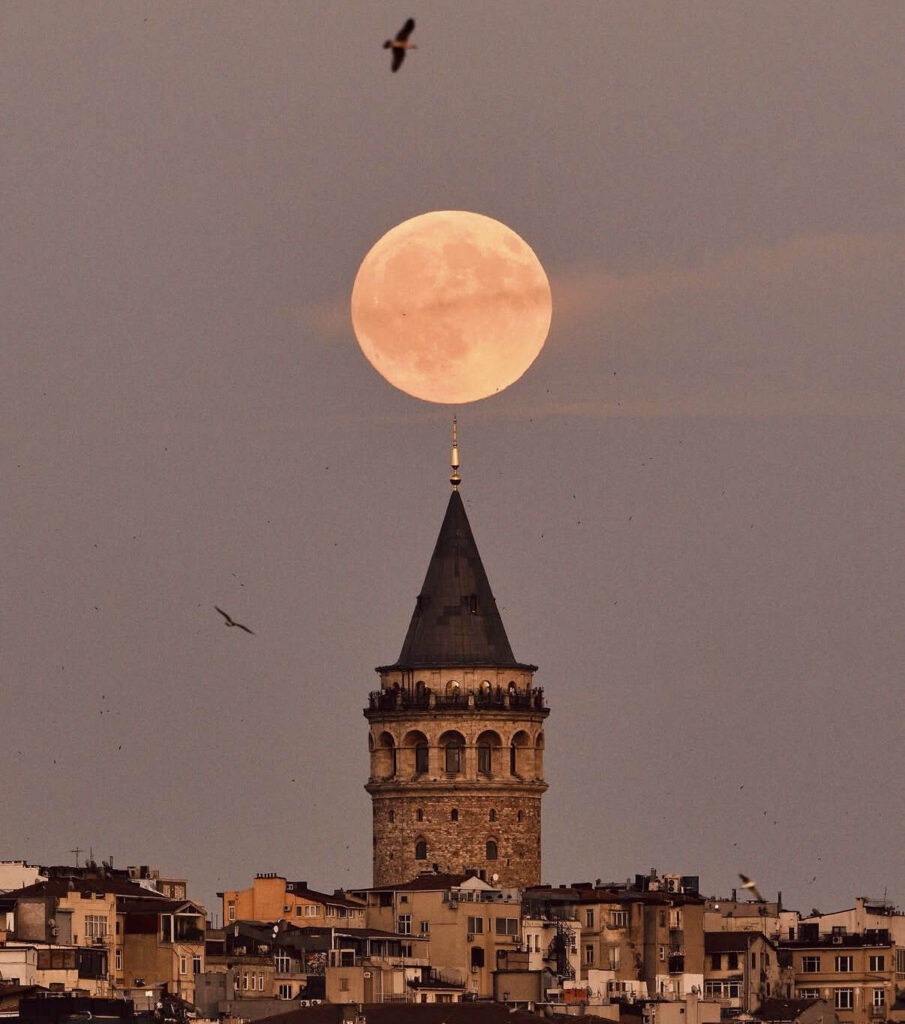
Suzy and Harvey wanted to see the Galata Tower. They had also mentioned a fine cocktail from the beginning. I knew a place that could answer both requests at once.
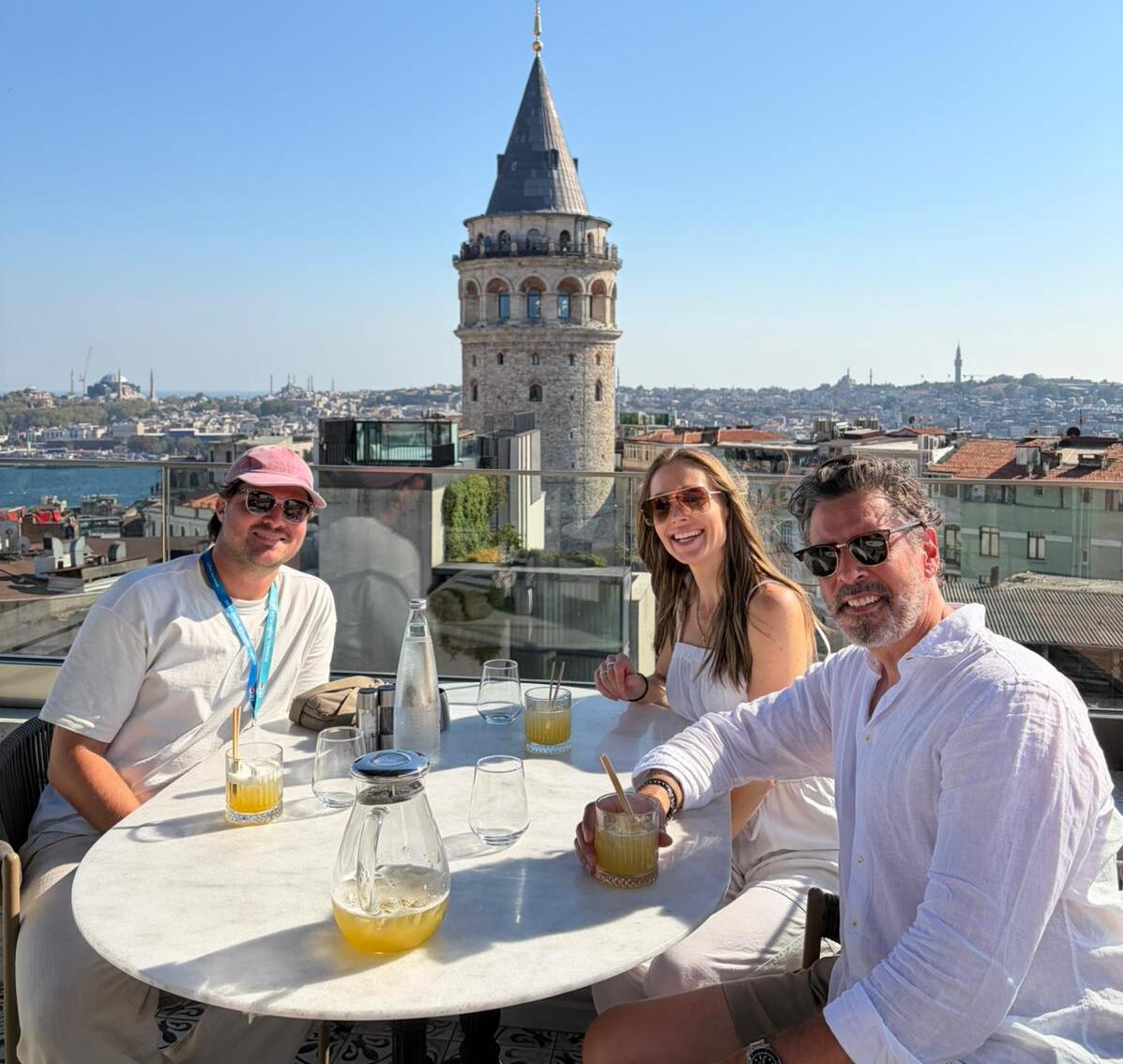
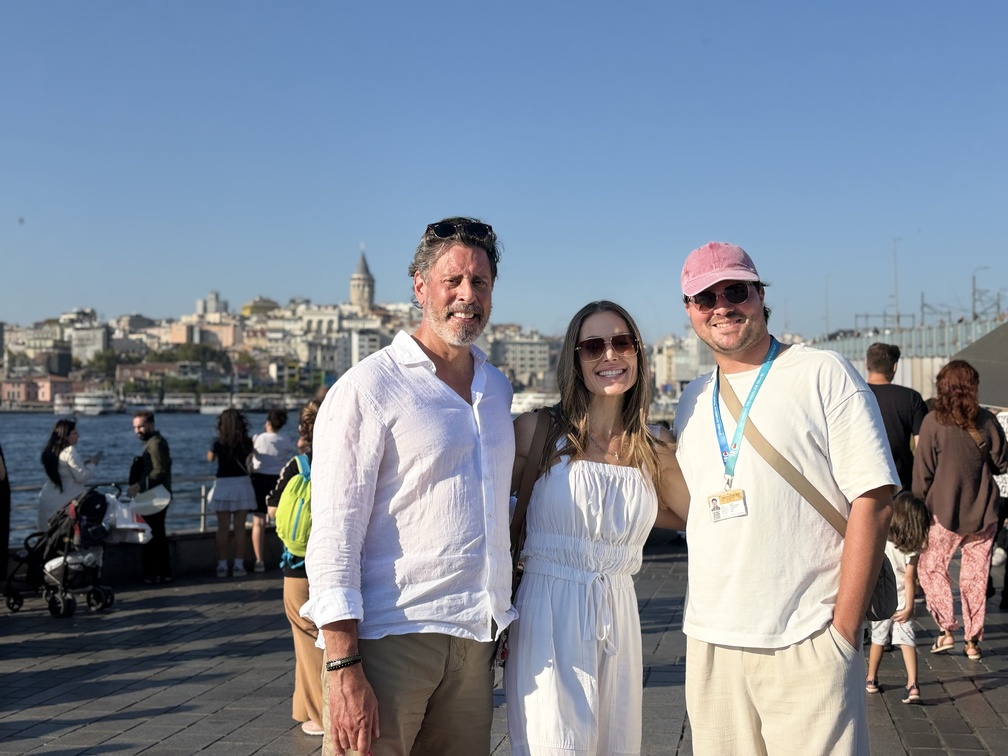
The following evening, Harvey wrote to Fethi. He said they had an amazing time and called me “the perfect host and guide.” I appreciated the compliment, especially because hospitality and guiding belong together in my understanding of this work.
I also knew the success of the day came from Suzy and Harvey themselves. They arrived curious, let the route change when new interests appeared and gave each place enough attention to reveal something. A private day works best when the guide reads the guests and the guests trust the guide.
We began with a search for coffee above the Golden Horn. We ended after Byzantine mosaics, city walls, artists’ studios, meze, backstreets and cocktails beside the Galata Tower. Between those two moments, three people found an easy rhythm in a very large city.
If they’re happy, I’m happy.
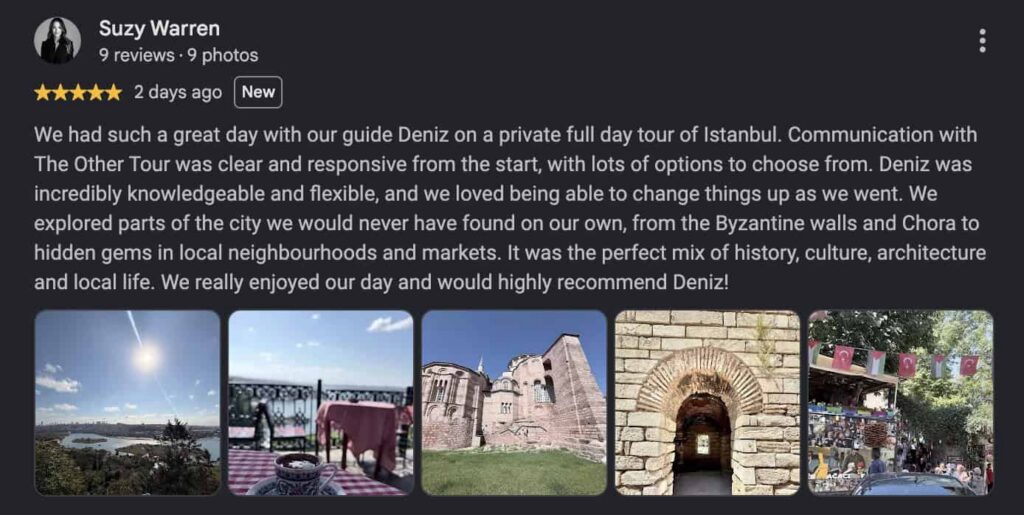
Here is their Google review:
We had such a great day with our guide Deniz on a private full day tour of Istanbul. Communication with The Other Tour was clear and responsive from the start, with lots of options to choose from. Deniz was incredibly knowledgeable and flexible, and we loved being able to change things up as we went. We explored parts of the city we would never have found on our own, from the Byzantine walls and Chora to hidden gems in local neighbourhoods and markets. It was the perfect mix of history, culture, architecture and local life. We really enjoyed our day and would highly recommend Deniz!
Can We Follow This Route
Yes, although the exact order should respond to traffic, current access at Kariye and the interests of your group. This private Istanbul route works because the vehicle connects distant districts while the guide protects enough open time for discoveries along the way.
Do We Need a Vehicle
For this combination, yes. Pierre Loti, Kariye, the Theodosian Walls, Balat and Beyoğlu cover a wide area.
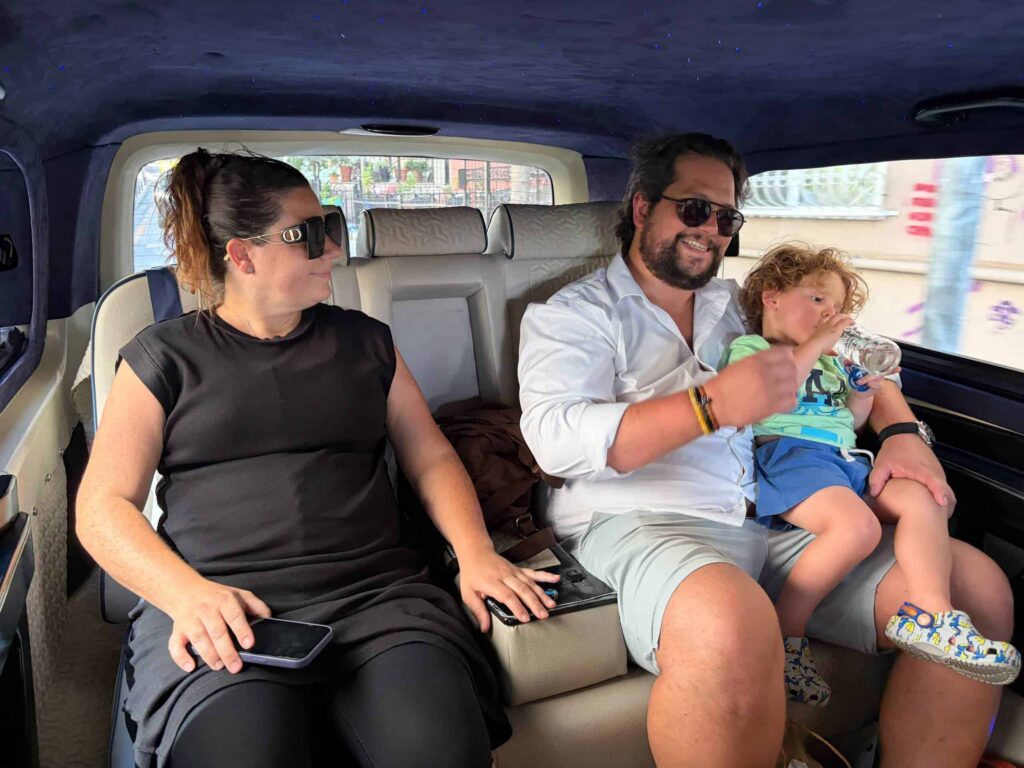
A private vehicle preserves time for walking inside each neighborhood instead of losing it between them.
Can Vegetarians Eat Well
Very well. A thoughtful meze selection can include cooked vegetables, pulses, yogurt dishes, salads and seasonal specialties, while meat-eating companions order separately. Tell us about dietary needs before the day so we can choose the right kitchen.
Can I Request Deniz
Yes. Read more about Deniz Karagözoğlu, then mention him by name when you send your inquiry.
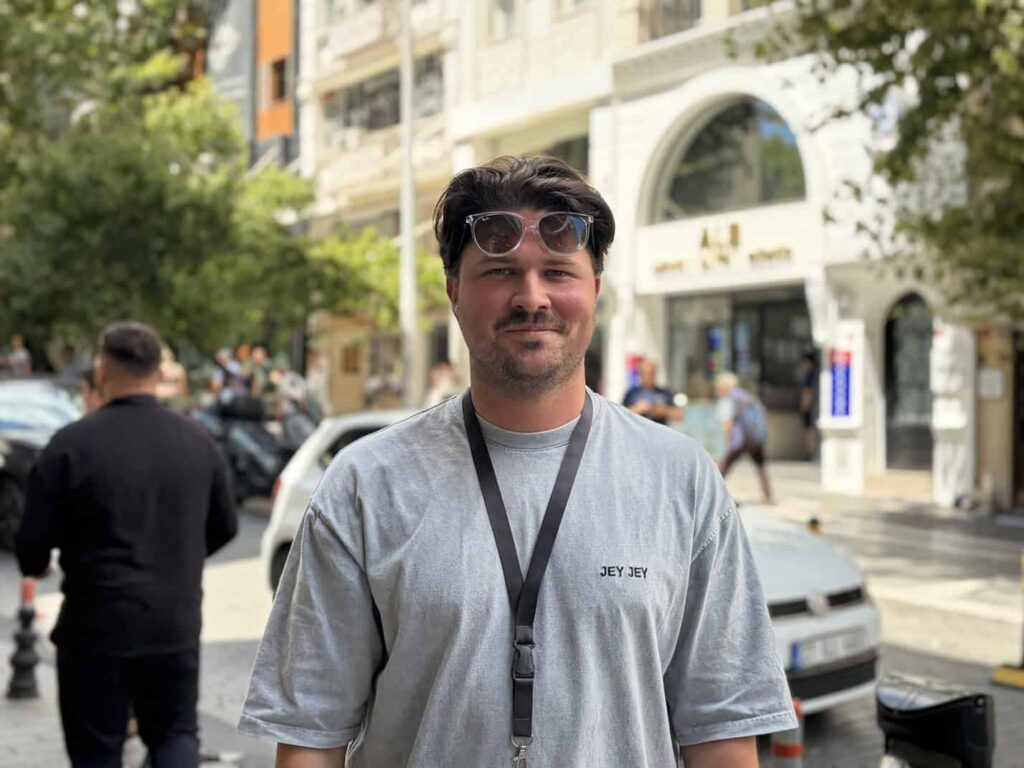
Availability varies, so contacting us early gives us the best chance of matching him to your date.
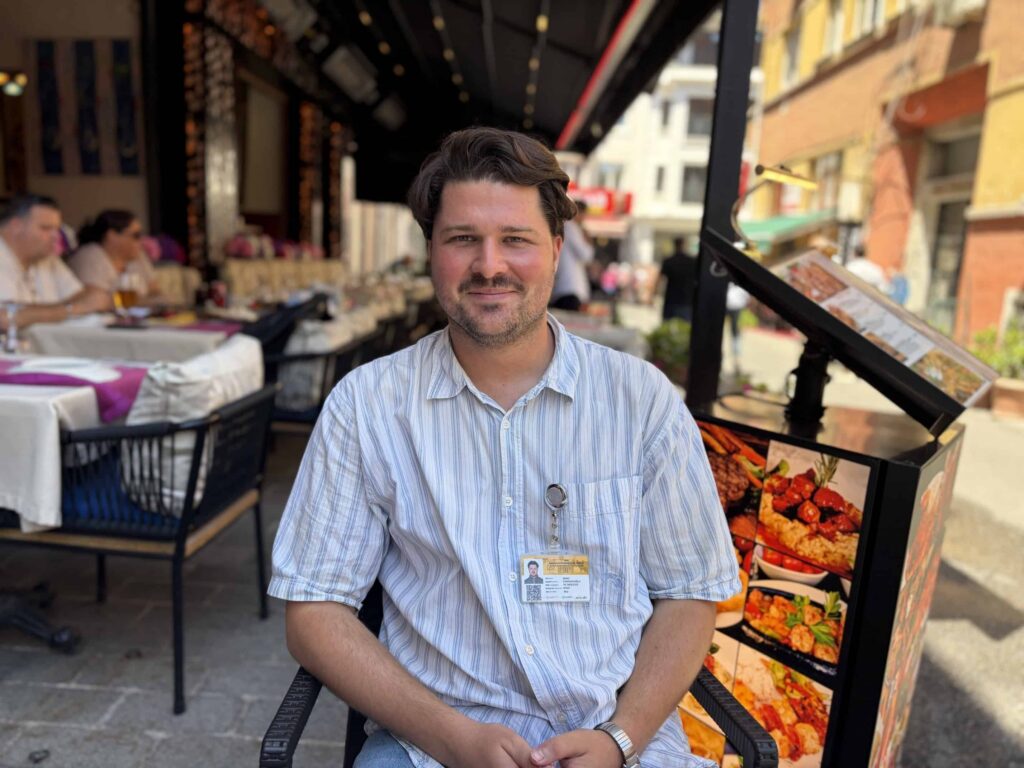



I was also there when we met them by the Galata Bridge for a quick hello. And it was really lovely meeting Suzy and Harvey. We never got a chance to get that drinks like promised but hopefully next time!
And these Guide Diaries are going great. Keep up the good work, Deniz!
Couldn’t ask for a better team!
It’s incredible that so much of these ancient walls still survives within the modern city. Istanbul is one of the largest and busiest cities in the world, which makes it even more remarkable!