A 19th-century European-style palace can stand just a few miles from a 16th-century Ottoman dome, while ancient stone cisterns still survive beneath modern streets. Istanbul is an architectural puzzle shaped by successive empires, each building over, beside, and through what came before.
To understand this layered city, look past the standard tourist scripts and meet the master architects of Istanbul who shaped its skyline, streets, and urban identity.
Table of Contents
Istanbul’s Architectural History Through Empires
Before diving into the lives and works of the most influential architects of Istanbul, let’s take a moment to appreciate the city’s deep historical roots and dynamic urban evolution.
Ancient Origins
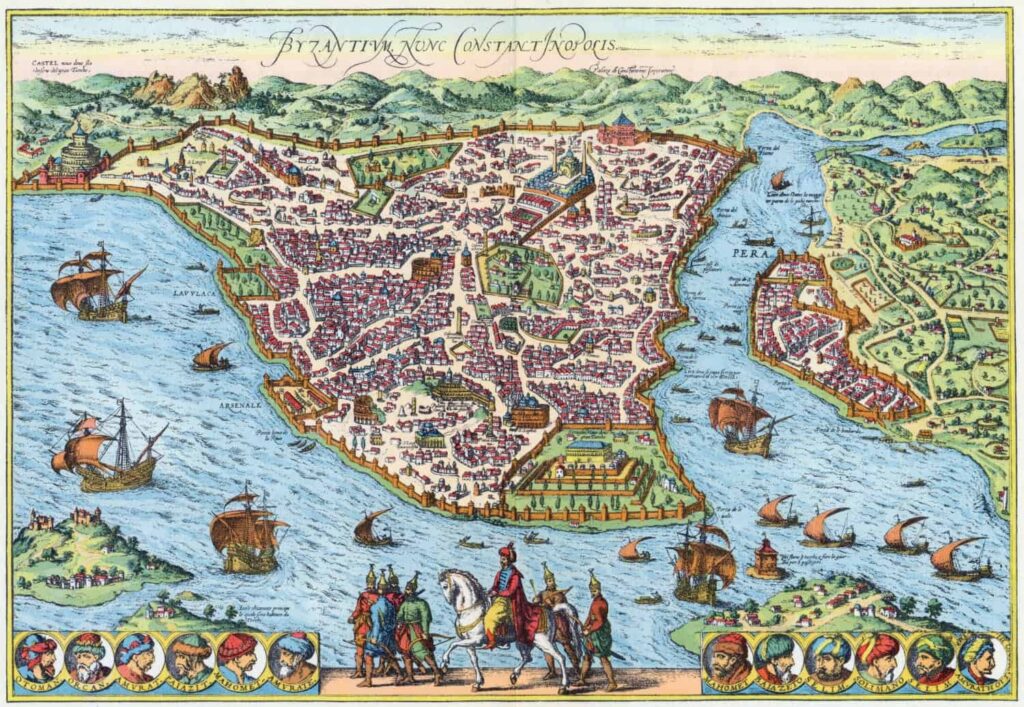
Istanbul, formerly known as Byzantium and later Constantinople, has been a strategic crossroads for over 2,500 years. Founded by Greek settlers around 660 BCE, the city flourished rapidly due to its location straddling Europe and Asia. Consequently, its significance grew immensely under Roman rule. Ultimately, it became the capital of the Eastern Roman Empire, or Byzantine Empire, in 330 CE under Emperor Constantine the Great.
The Byzantine Legacy
As Constantinople, the city was world-renowned for its daring engineering marvels. Most notably, the Hagia Sophia stood as a crown jewel of medieval engineering. Constructed under Emperor Justinian in the 6th century, it remained the world’s largest cathedral for nearly a thousand years. In fact, it continues to symbolize the absolute zenith of Byzantine architecture.
Ottoman Transformation
However, the city entered an entirely new golden age following the Ottoman conquest in 1453. Renamed Istanbul, it became the vibrant heart of the Ottoman Empire. During this era, grand imperial mosques, palaces, and public baths redefined the city’s iconic silhouette.
Modern Era
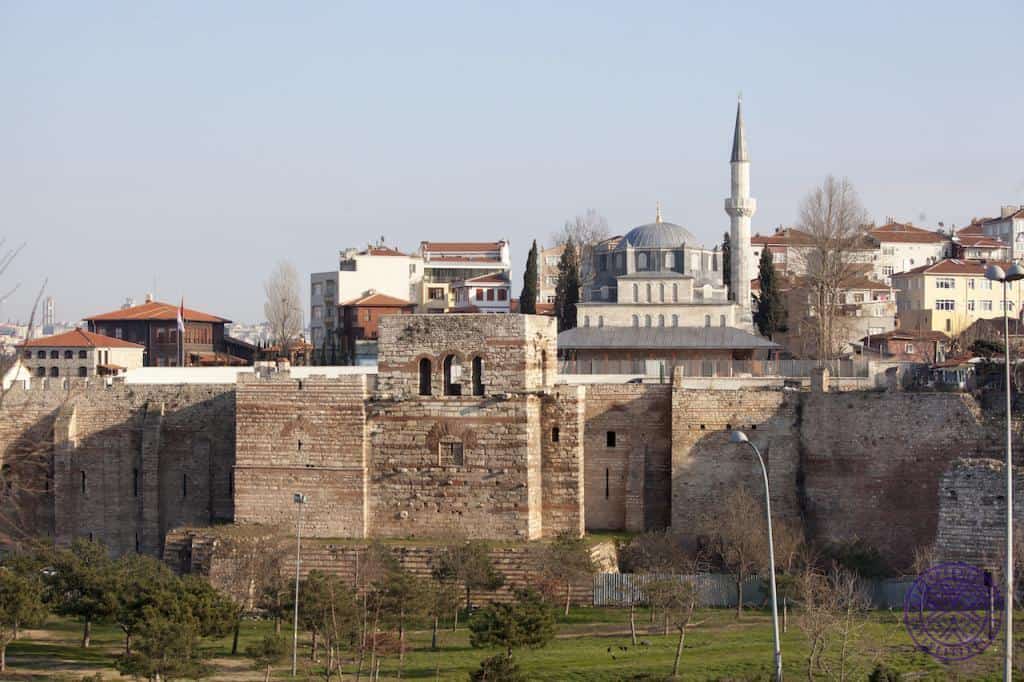
Following the establishment of the Republic of Turkey in 1923, Istanbul continued to evolve by blending its imperial past with modern urban planning. Today, this bustling metropolis reflects a layered architectural identity shaped by centuries of continuous change.
5 Great Architects of Istanbul Who Shaped the City
Now, let’s delve deep into the lives and legacies of five of the master architects of Istanbul who crafted this unique urban landscape.
Sinan the Architect (Mimar Sinan)
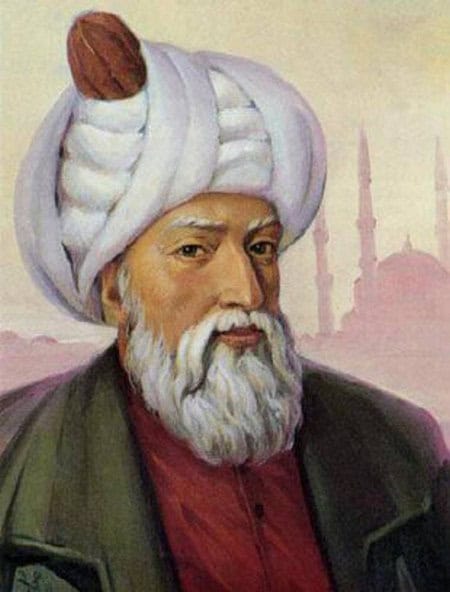
The Master Builder of the Ottoman Empire
Mimar Sinan is universally recognized as the undisputed giant among the architects of Istanbul. Serving as chief court architect for three powerful Ottoman sultans—Süleyman the Magnificent, Selim II, and Murad III—his prolific 16th-century career marked the golden age of Classical Ottoman architecture.
Key Architectural Masterpieces
Süleymaniye Mosque (Structural Resonance): Perched atop Istanbul’s Third Hill, this grand imperial complex exemplifies perfect spatial proportions and urban harmony.
During construction, rumors spread that Sinan was slacking off by smoking a water pipe inside the unfinished dome. Sultan Süleyman burst in, furious. However, Sinan was bubbling water through an unlit pipe to calculate the acoustic resonance of the hollow earthenware jars built into the dome’s brickwork.
Selimiye Mosque: Although located in nearby Edirne, Sinan himself regarded this magnificent structure as his ultimate masterpiece. He engineered an unprecedented central dome supported by eight octagonal pillars, surpassing the dome diameter of Hagia Sophia—a feat Western architects claimed was impossible.
Furthermore, Sinan’s genius lay in his structural engineering innovations. His domes, aqueducts, and bridges remain enduring monuments to human ingenuity. To explore his official works catalog, visit the UNESCO World Heritage Centre.
“Şehzade Mosque was my apprenticeship, Süleymaniye my journeyman work, and Selimiye my masterwork.” – Mimar Sinan
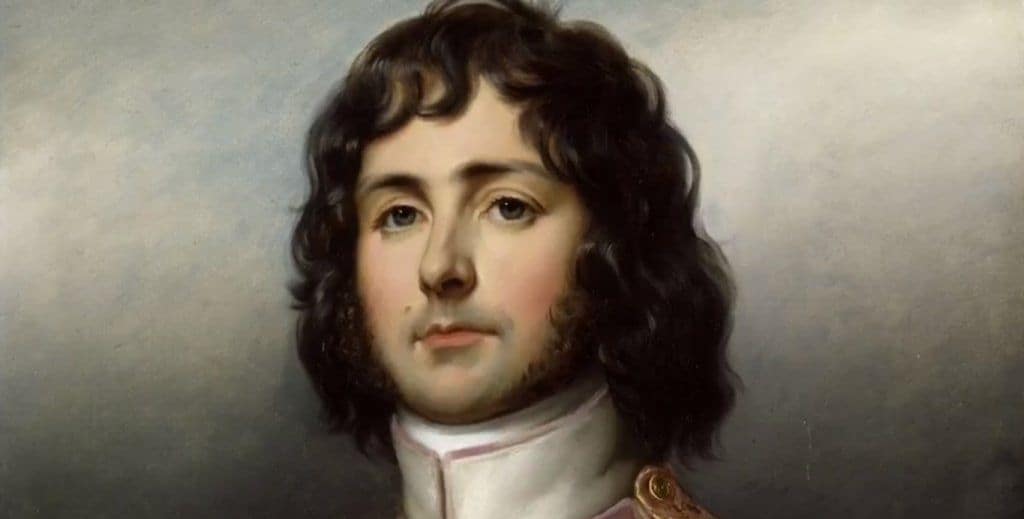
Bridging Eastern Opulence and Western Elegance
Born in Istanbul to a Levantine family, Alexander Vallaury played a pivotal role among 19th-century architects of Istanbul. He brilliantly introduced European architectural movements to the late Ottoman capital, creating a distinctive Orientalist and Beaux-Arts synthesis.
Key Architectural Masterpieces
Istanbul Archaeological Museums: Designed with neoclassical grandeur, this building provided a world-class home for the empire’s ancient treasures.
Pera Palace Hotel: Built specifically to host passengers of the legendary Orient Express, this landmark epitomizes Belle Époque luxury paired with subtle Ottoman accents. It was notably the first building in Istanbul, outside the imperial palaces, to feature an electric elevator and running hot water.
As a result, Vallaury’s monuments helped bridge two distinct worlds, defining the cosmopolitan aesthetic of late-19th-century Beyoğlu.
Alexander Vallaury also founded the architecture department at the Sanayi-i Nefise Mektebi, today known as Mimar Sinan Fine Arts University. In doing so, he became one of the foundational teachers of modern architectural education in Turkey, extending his influence far beyond the buildings he designed.
Vedat Tek
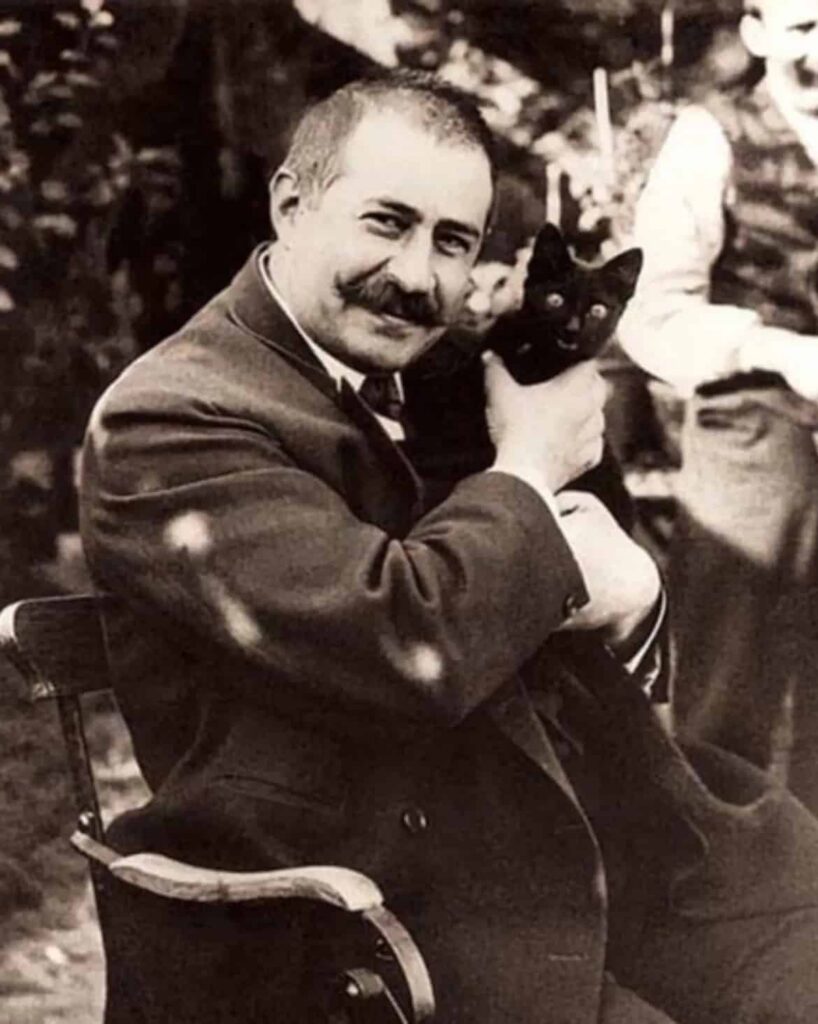
Pioneer of the First National Architectural Movement
In the early 20th century, Vedat Tek emerged as a leading figure among native architects of Istanbul. As a champion of the First National Architectural Movement, he sought to forge a modern Turkish identity by fusing traditional Ottoman ceramic tiles and arches with contemporary concrete construction.
Key Architectural Masterpieces
Büyük Postane (Grand Post Office): Located in Sirkeci, this majestic public building showcases Tek’s signature integration of classical Western structural steel and concrete framing with hand-painted İznik-style ceramic tiles and traditional masonry arches.
Haydarpaşa Ferry Terminal (Haydarpaşa Vapur İskelesi): Sitting directly on the water opposite the monumental Haydarpaşa Railway Station, this elegant passenger hall is a masterclass in scale and tilework. Vedat Tek decorated its facade with vibrant Kütahya ceramics and pointed arches, transforming a simple maritime transit point into a striking gateway between East and West.
Pioneering Independence: Vedat Tek was notably one of the very first Ottoman architects with formal European education who returned home to establish an independent private practice, breaking the monopoly of foreign and non-Muslim court architects.
Balyan Family
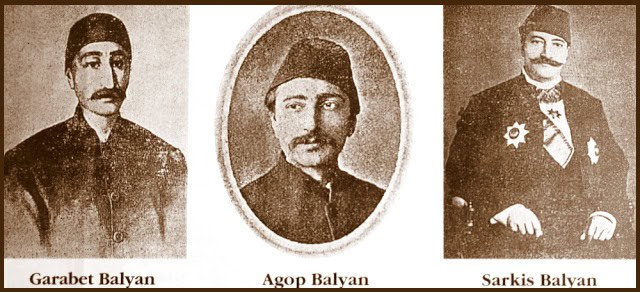
The Imperial Dynasty of Ottoman Court Architects
The Armenian Balyan family dominated the 19th-century skyline, standing out as the most prolific court architects of Istanbul. Across generations, father Garabet Balyan, his son Nigoğayos Balyan, and later Sarkis Balyan were instrumental in transforming the Bosphorus shoreline from modest wooden yalı residential strips into grandiose stone palaces, military barracks, and picturesque waterfront mosques.
Key Architectural Masterpieces
Dolmabahçe Palace: Replacing the traditional wooden Topkapı Palace, this lavish residence blends Baroque, Rococo, and Neoclassical facades. Sultan Abdülmecid wanted a European face for his empire but insisted on traditional Ottoman domestic boundaries.
Garabet Balyan engineered a palace that looked like Versailles on the outside, yet maintained the strict spatial separation of the Harem and Selamlık within.
Ortaköy Mosque: Positioned right on the Bosphorus waterfront, this jewel-box mosque highlights the Balyans’ ability to infuse European drama into traditional Islamic worship spaces.
Indeed, the Balyan family created the iconic European-style waterfront silhouette that defines the Bosphorus today.
Beylerbeyi Palace : Designed primarily by Sarkis Balyan alongside his brother Agop Balyan, this Asian-side palace served as an imperial summer residence and a guesthouse for visiting foreign dignitaries, including Empress Eugénie of France. Sarkis cleverly addressed the humid Bosphorus climate by installing an indoor marble pool and fountain in the main hall to naturally cool the building, while utilizing Egyptian reed mats beneath heavy carpet flooring for insulation.
The Soulful 4-Day Istanbul Tour
Henri Prost
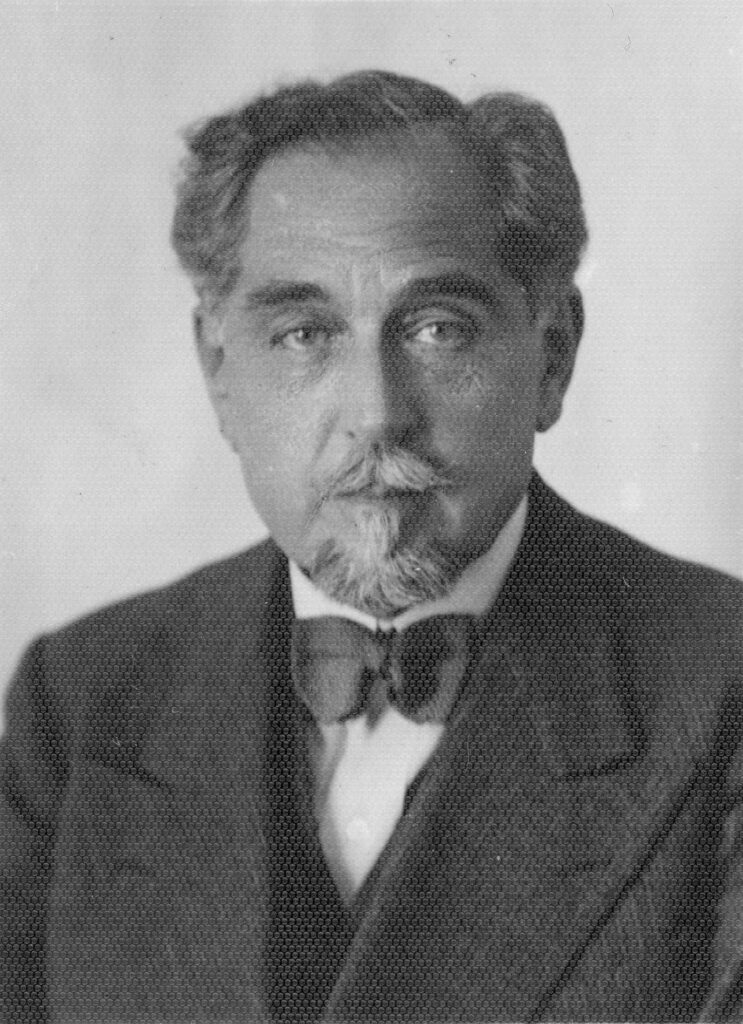
The Visionary Urban Planner of Modern Istanbul
Unlike traditional building designers, French architect and urban planner Henri Prost was invited by Mustafa Kemal Atatürk in the 1930s to modernize the spatial layout of Istanbul. His grand master plan aimed to transform the congested historic peninsula into a functional modern metropolis without erasing its historical monuments.
Key Architectural Masterpieces
Taksim Square and Gezi Park: Prost redesigned Taksim into the central public heart of modern Istanbul, creating wide pedestrian corridors, public parks, and civic meeting spaces.
Atatürk’s Mandate: When Mustafa Kemal Atatürk brought Henri Prost to Istanbul, the mandate centered on modernizing the city’s circulation and public spaces while protecting its historic character. Prost’s master plan laid much of the planning framework that shaped modern Istanbul.
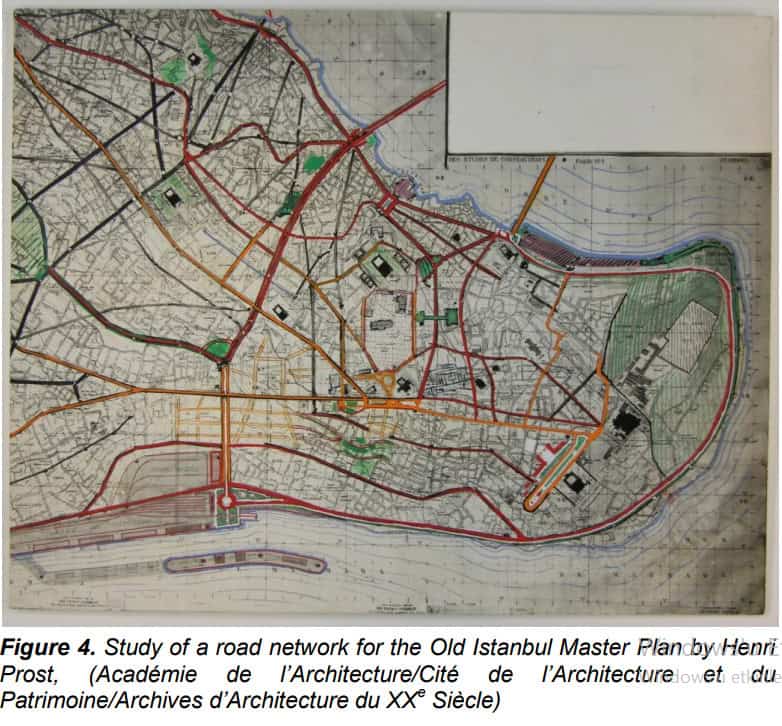
Historical Peninsula Boulevard Network: He carved out major arteries, such as Atatürk Boulevard, facilitating modern vehicular transport around the Historic Peninsula and its ancient Byzantine and Ottoman landmarks.
Istanbul Through an Architect’s Eye
Istanbul isn’t a place you simply visit; it’s an endless masterpiece waiting for those who know how to look.
In a single afternoon, you can run your hand across the weathered brickwork of a 1,500-year-old Byzantine church, turn a corner to admire the dramatic Baroque and Rococo flourishes of a 19th-century palace, and then sit in quiet awe beneath the soaring, almost superhuman acoustics of a Mimar Sinan dome. The city’s layered identity doesn’t push its past into museums; it wears it on its sleeve, stacking era upon era, style upon style.
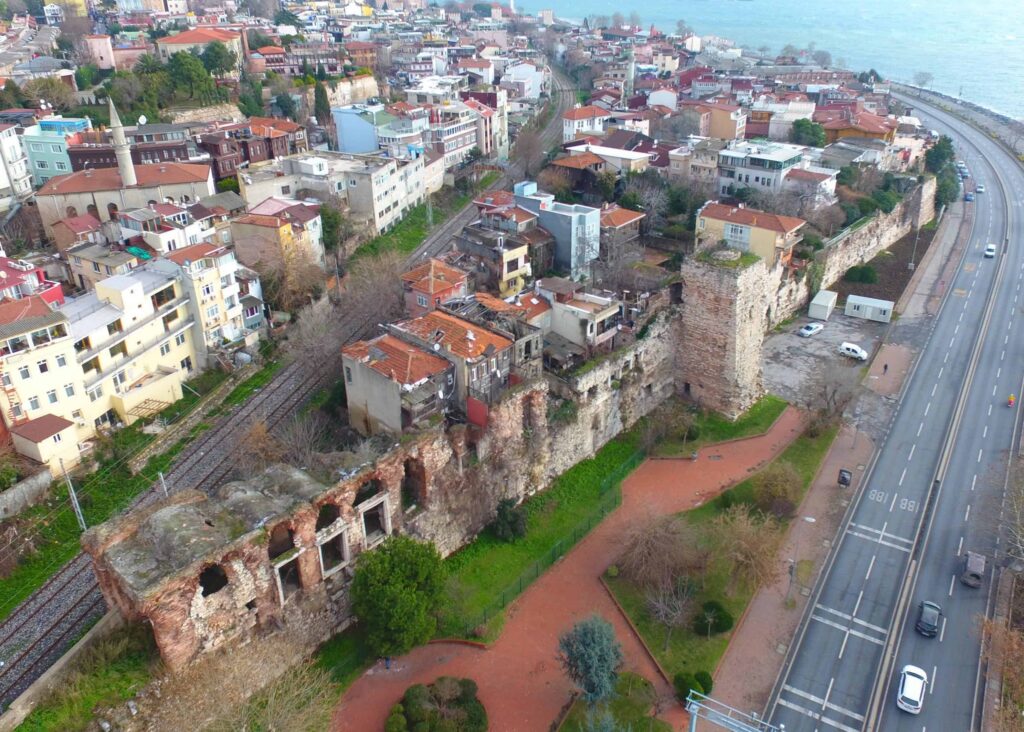
For the observant traveler, Istanbul offers a visual and historic dialogue that never truly ends. Every stone holds a gesture, every neighborhood tells a story, and as long as you know where to look, the performance never stops.
Frequently Asked Questions- FAQ
Who is considered the greatest architect of Istanbul?
Mimar Sinan (Sinan the Architect) is universally recognized as the greatest master builder of Istanbul. Serving as chief court architect during the Ottoman Empire’s 16th-century golden age, he created over 300 structures, including iconic landmarks like the Süleymaniye Mosque and the Şehzade Mosque.
Which family built most of the Bosphorus palaces in Istanbul?
The Balyan family, an influential dynasty of Armenian Ottoman court architects, designed many of the Bosphorus shoreline’s most famous structures during the 19th century. Their masterpieces include Dolmabahçe Palace, Beylerbeyi Palace, and Ortaköy Mosque.
What architectural styles can you see in Istanbul?
Istanbul features a uniquely layered architectural tapestry spanning over 2,000 years. You can experience early Roman engineering, Byzantine brickwork and domes, Classical Ottoman Islamic architecture, European Beaux-Arts and Neo-Baroque facades, and early 20th-century First National Architectural Movement designs all in a single day.
What is the First National Architectural Movement in Turkey?
Pioneered by architects like Vedat Tek and Mimar Kemaleddin in the early 20th century, this movement sought to combine modern construction methods, including reinforced concrete and steel frames, with classical Ottoman and Seljuk decorative elements such as pointed arches and İznik ceramic tiles. The Grand Post Office (Büyük Postane) in Sirkeci is its most famous example.
Reading about these master builders is only the first step. To truly grasp Istanbul, you have to experience how these architectural layers bleed into daily life, from hidden subterranean cisterns to quiet Ottoman tea gardens.
At The Other Tour, we skip the rushed scripts and rigid group itineraries to give you an authentic, deep, and human connection to the city. Join us for a day of genuine discovery, local flavors, and the untold stories carved directly into Istanbul’s stone.