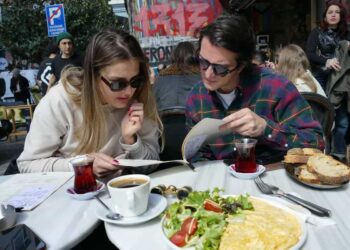
Off the tourist map, on the real Istanbul frequency. These are five completely different routes—each away from the center, each packed with value—showing the city’s lived-in neighborhoods, hidden infrastructure, nature edges, and stories that don’t come with ticket lines.
Table of Contents
If there’s one thing we can be unapologetically confident about, it’s this:
Off the beaten path Istanbul is our specialty
Not because it sounds good in a sentence. Not because “hidden gems” is a trendy phrase. But because since 2011, The Other Tour has been built around Istanbul’s understory — the places that don’t shout for attention, the neighborhoods tourists skip, the historical sites that aren’t surrounded by ticket lines, and the city’s living human texture that doesn’t fit into a brochure.
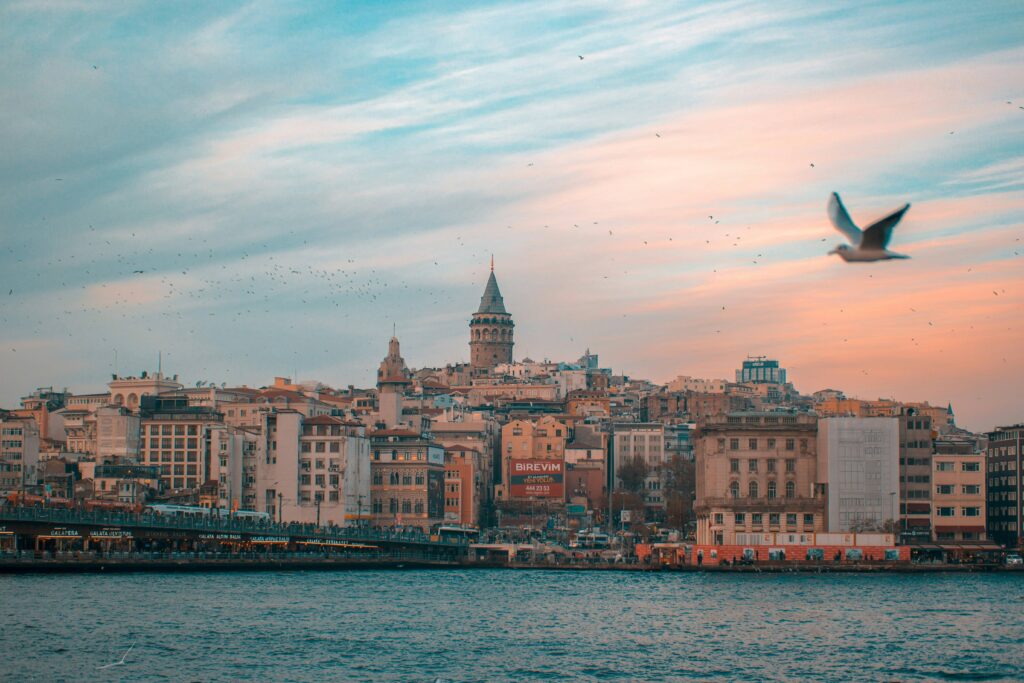
Most people meet Istanbul through its headline acts: Hagia Sophia, the Grand Bazaar, Topkapı, the postcard Bosphorus view. And yes, they’re stunning. But Istanbul is not a city that can be understood through famous landmarks alone. It’s a city you feel by walking into the quiet corners where history didn’t end — it just kept going in smaller fonts.
This is the Istanbul we’ve focused on for over a decade:
Forests that once supplied an empire’s water
Aqueducts that are engineering poetry
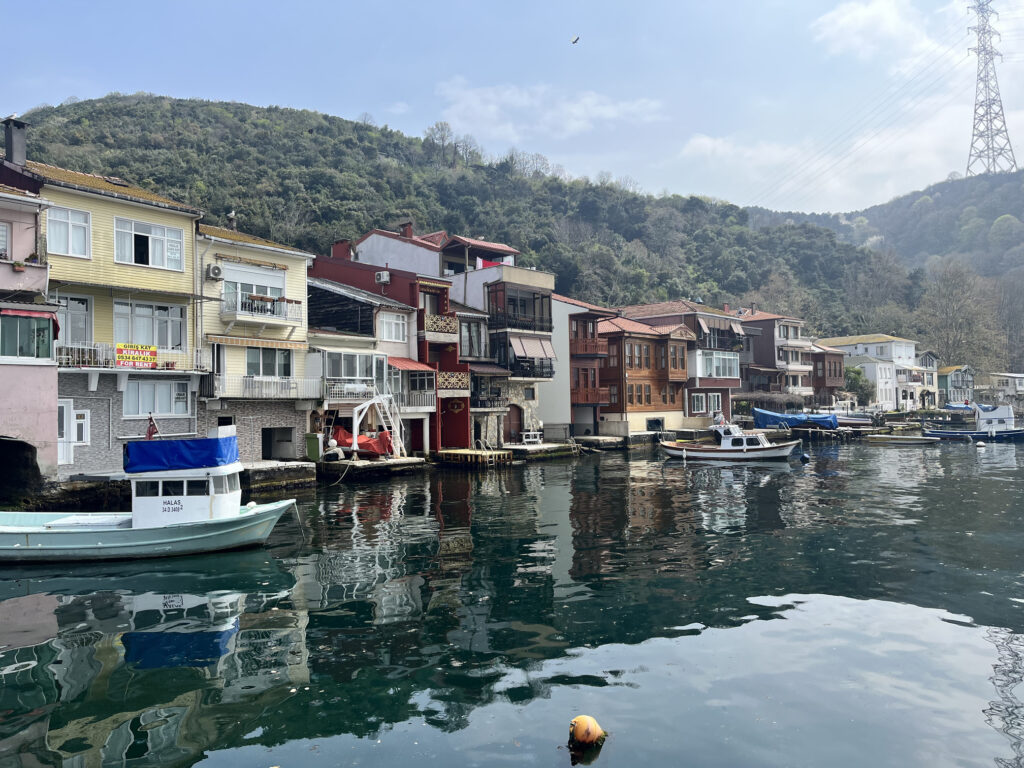
Coastal neighborhoods that still breathe like villages
Sacred districts that remain truly local
Industrial ruins turned into the city’s newest cultural spaces
Prehistoric caves that remind you how old “human” really is
Anyone can list “hidden places.” The difference is knowing how to connect them into a day that feels like a story, not a scavenger hunt.
Below are five route ideas for an Istanbul off the beaten path tour — the kind of days we’re proud to guide, because this is what we do best.
FAQ
It’s a tour that focuses on Istanbul’s underrated neighborhoods, hidden historical sites, and local culture away from the standard tourist route.
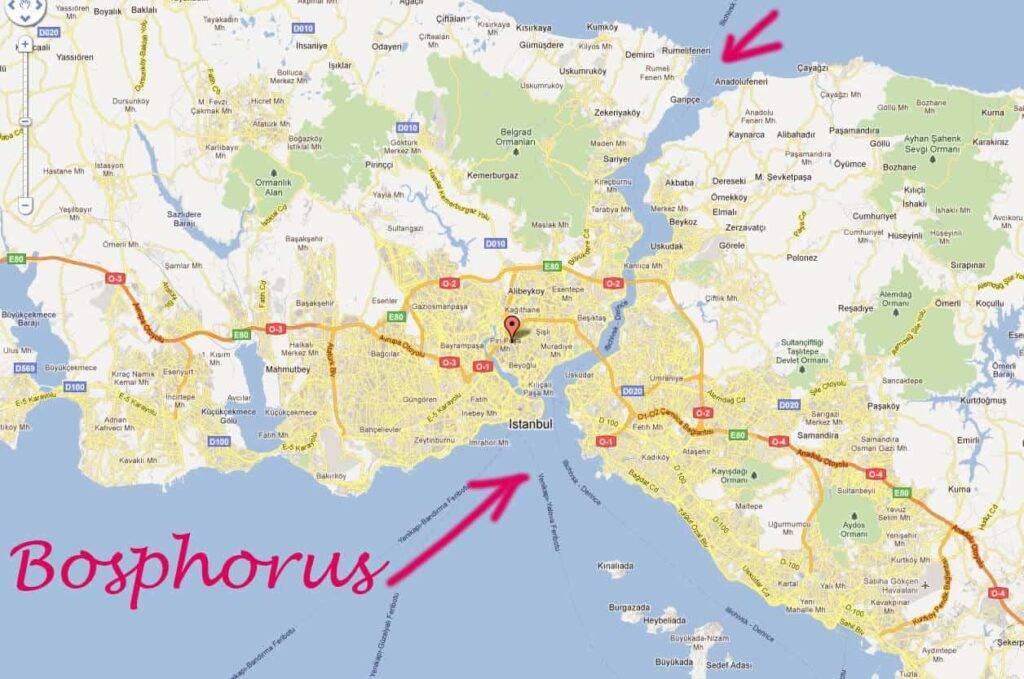
Istanbul’s made up of 36 districts and several of them are popular for tourists: Fatih, Beyoglu and Kadiköy In this article, we suggest venturing out to some of the other districts and their many great neighborhoods.
Sure, if you have more than 2-3 days, I’d say you really should get out of the central areas and experience how the locals go about their days.
Even better. These tours are often the most rewarding for travelers who’ve “done the classics” and want Istanbul to surprise them again.
This isn’t a new angle for us.
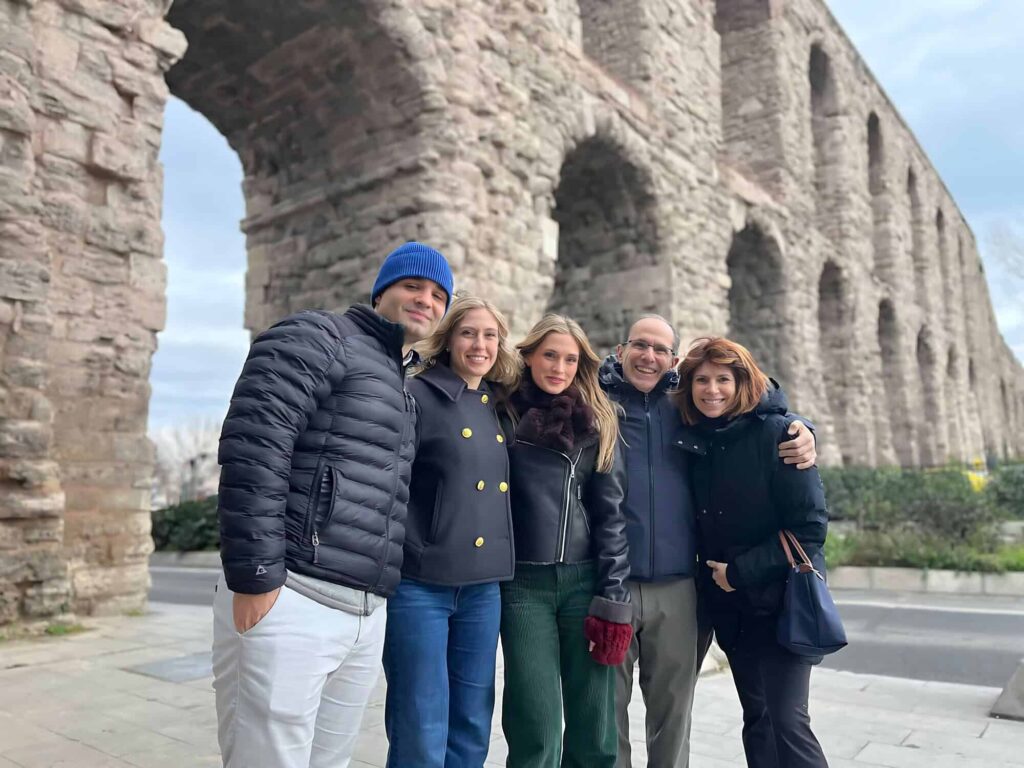
Since 2011, we’ve been focused on the human side of Istanbul — the neighborhoods, the stories, the overlooked layers, and the places that tourists don’t even realize exist.
5 Different Sections of Istanbul
Here are 5 completely different parts of the city that you can explore away from the touristic center.
These are the days where people keep saying:
“Wait… this is still Istanbul?”
Route 1: Belgrad Forest + Ancient Aqueducts + Kilim Museum in a Bosphorus Mansion
When most people picture Istanbul, they imagine domes and minarets, busy bazaars, and layers of history on every corner. But the city has a wilder side, too—and Belgrade Forest is where Istanbul goes to breathe.
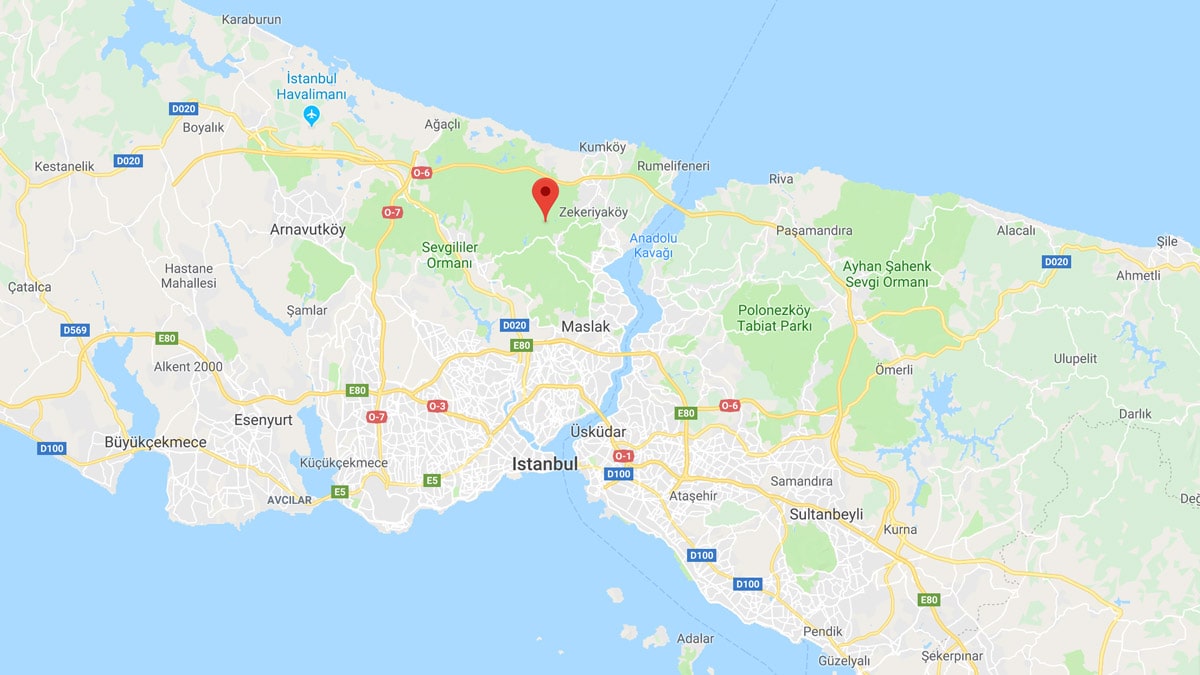
Just a short trip west of the northern Bosphorus, Belgrade Forest is a beloved escape for locals: shaded walking trails, picnic clearings, birdsong, and that deep-green calm you forget a megacity can have.
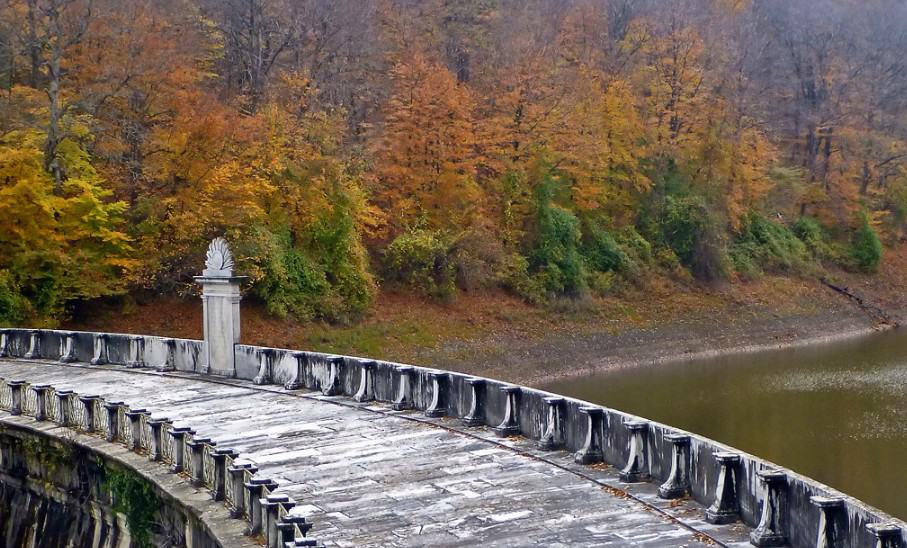
And because this is Istanbul, nature doesn’t come alone—there are centuries of history tucked into the landscape, from old waterworks to quiet remnants of the past, scattered between the trees.
Belgrad Forest: a green empire on the edge of the city
Belgrad Forest is not just a place to “get some nature.” It’s historically strategic. These woods were part of Istanbul’s lifeline — the kind of landscape that quietly supported the city long before modern infrastructure.
And hidden inside this forest are monumental aqueducts from one of the most ambitious water projects in Ottoman history.
The Kırkçeşme Water System: engineering built for a capital
In the 16th century, under Suleiman the Magnificent, the Ottoman state commissioned the architect Mimar Sinan to build a major water supply network to deliver water into the city.
Between 1554 and 1563, Sinan designed and oversaw a system that included tens of kilometers of channels and a network of aqueducts — a project so significant it’s still considered among his greatest achievements. The scale is mind-bending: dozens of aqueducts, long water routes, and a forest landscape shaped by the needs of a growing imperial capital.
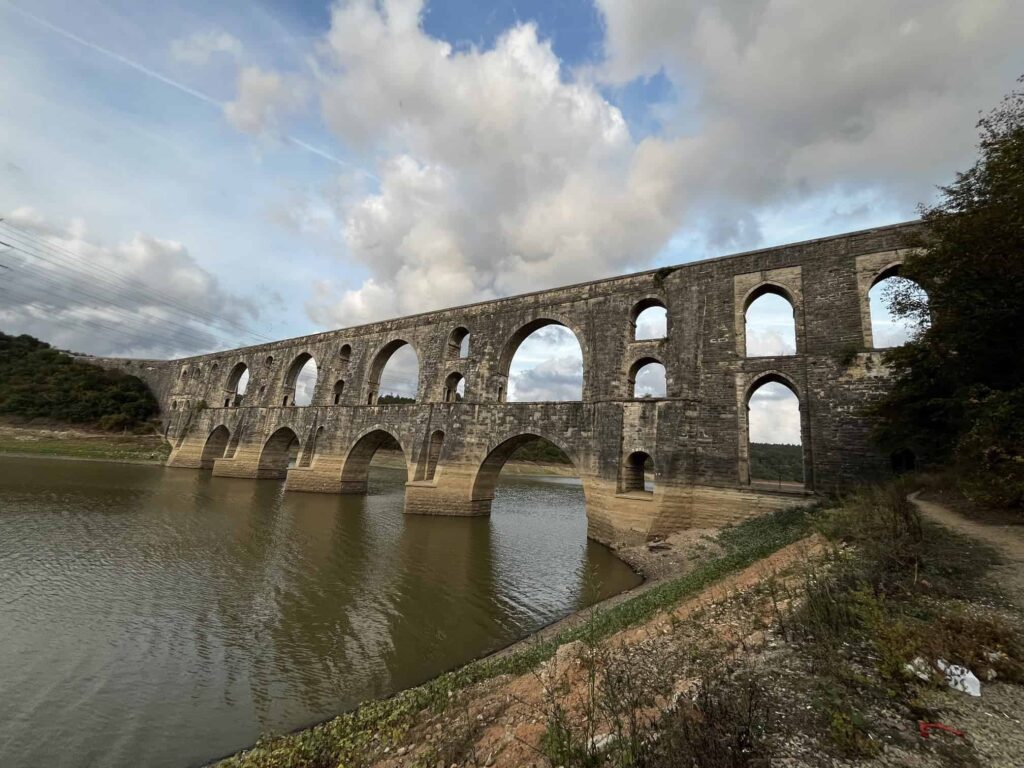
And the aqueducts aren’t small romantic ruins. They’re massive, elegant, and almost unreal in the way they rise out of greenery. The best-known examples (like Mağlova Aqueduct) have that Sinan signature: not just strength, but proportion — the feeling that function became art.
Belgrad Forest and the Kemerburgaz area also hide several other 16th-century Sinan “kemers” (aqueducts) that feel almost secret when you stumble upon them between the trees—Uzun Kemer, Eğri (Kavuk) Kemer, Kovukkemer / Kırık Kemer, and Evvelbent (Paşadere) Kemeri are among the most memorable. Each one is part of the same Kırkçeşme network: arches rising out of greenery, built to move water—and somehow still doing what Istanbul always does best, turning pure function into something beautiful.
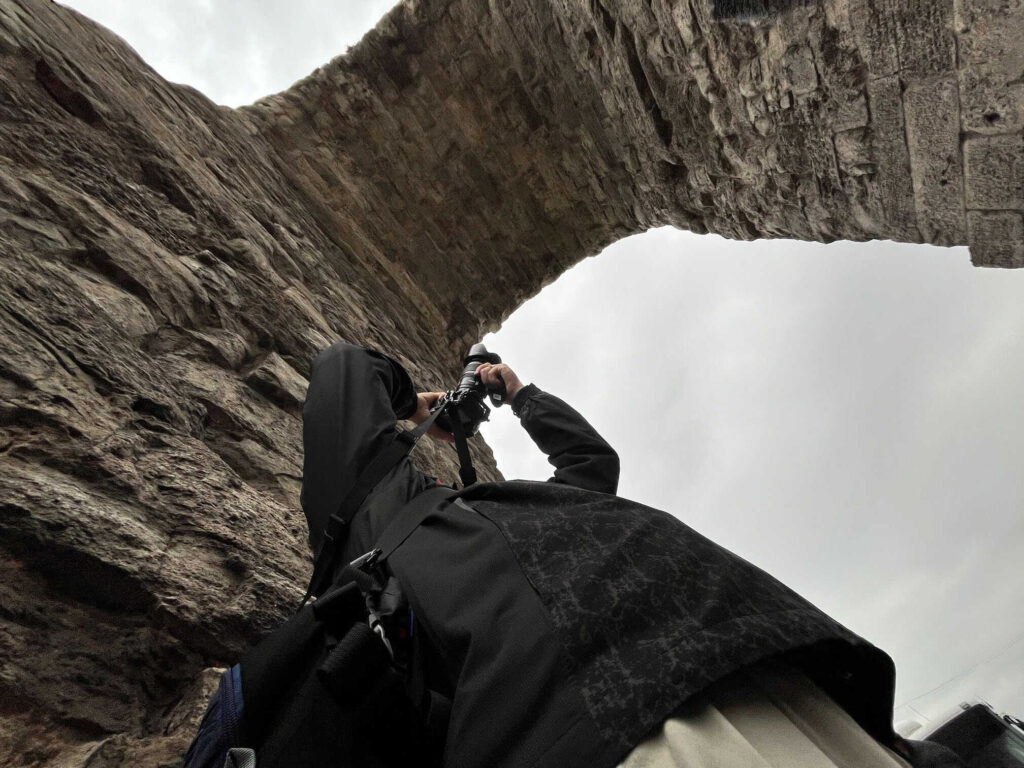
Standing beneath these arches in the forest is one of the most “Istanbul” experiences there is, because it reminds you the city was never only about palaces and mosques — it was also about the infrastructure that made a civilization possible.
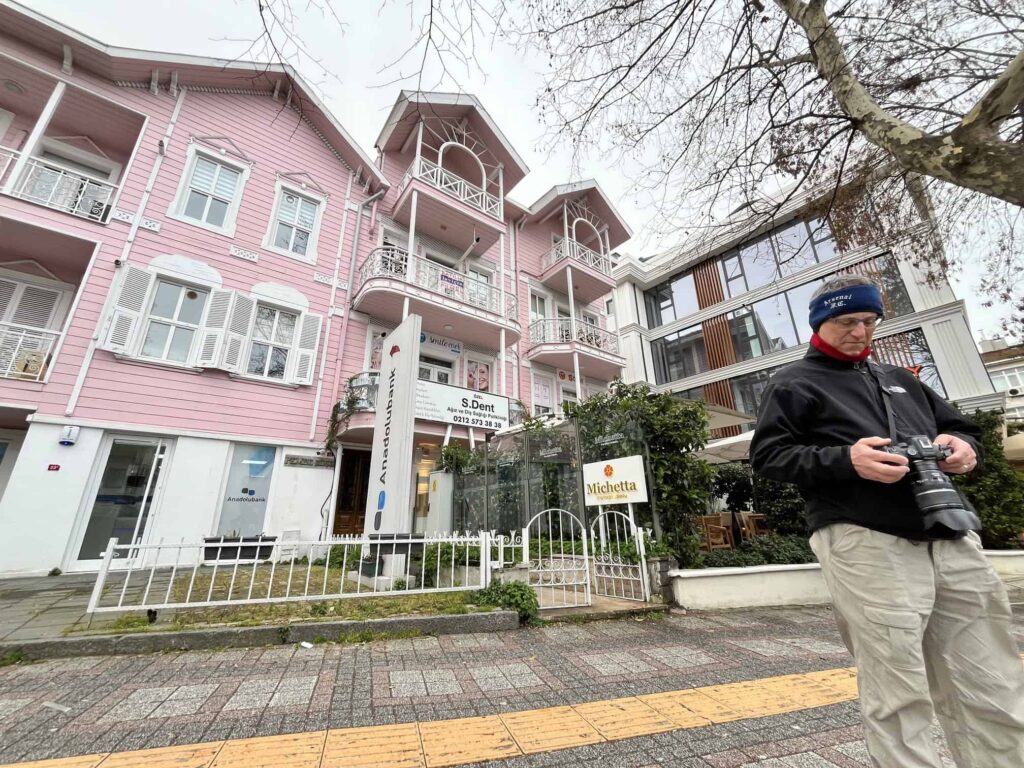
A Bosphorus yalı with kilims — and a pop-culture twist
After forest and aqueducts, we shift to a completely different layer of Istanbul: Bosphorus elegance and textile culture.
There’s a historic waterfront mansion (a classic yalı) in Büyükdere that’s now home to a Kilim Museum associated with the richest family in Türkiye: Koç family. It’s one of those places that feels like you’re being let into a private Istanbul — refined but surprisingly accessible.
Inside, you get a curated world of Anatolian weaving: patterns, symbolism, regional styles, and the quiet power of handmade craft. And then there’s the extra twist: this yalı is also famous for being the setting of a beloved Turkish TV drama’s iconic mansion scenes — which locals instantly recognize.
So this route gives you: forest silence + imperial engineering + Bosphorus culture + textile art + a very Istanbul wink.
Route 2: Yeşilköy + Florya + Yarımburgaz Cave
If someone tells you Istanbul is only intense, crowded, and noisy, take them to Istanbul‘s western neighborhoods by the Sea of Marmara.
Yeşilköy: Istanbul’s “calm coast”
Yeşilköy carries the memory of a different Istanbul — a coastal neighborhood with an older, slower identity. Historically known as Ayastefanos, it has long held a cosmopolitan presence, and even today you can feel the neighborhood’s layered character: churches, community life, and a lived-in seaside rhythm.
It’s not a “tourist” district. It’s a place where Istanbulites simply live well — walking by the water, meeting for coffee, lingering in parks, buying bread, talking to shop owners who remember faces.
Florya: promenade, sea air, local weekend energy
Florya continues that coastal calm but with a more open, breezy feel — long seaside walks, Marmara views, and the kind of Istanbul that feels totally Mediterranean on a bright day.
This part of the city is perfect for travelers who want local atmosphere without performance. It’s Istanbul’s exhale.
Yarımburgaz Cave: the prehistoric Istanbul nobody expects
And then you go somewhere that changes the scale of time completely.
Yarımburgaz Cave is one of the most important prehistoric sites in the region — with evidence pointing to human presence going back hundreds of thousands of years (often discussed in the range of roughly 400,000–600,000 years).
That’s not “old for Istanbul.” That’s old for human experience.
The cave itself is not a polished tourist attraction — which is part of its power. It’s raw, haunting, and deeply humbling. It reminds you that Istanbul’s story didn’t begin with Byzantium, Rome, or the Ottomans. The land held humans far earlier than the empires we usually talk about.
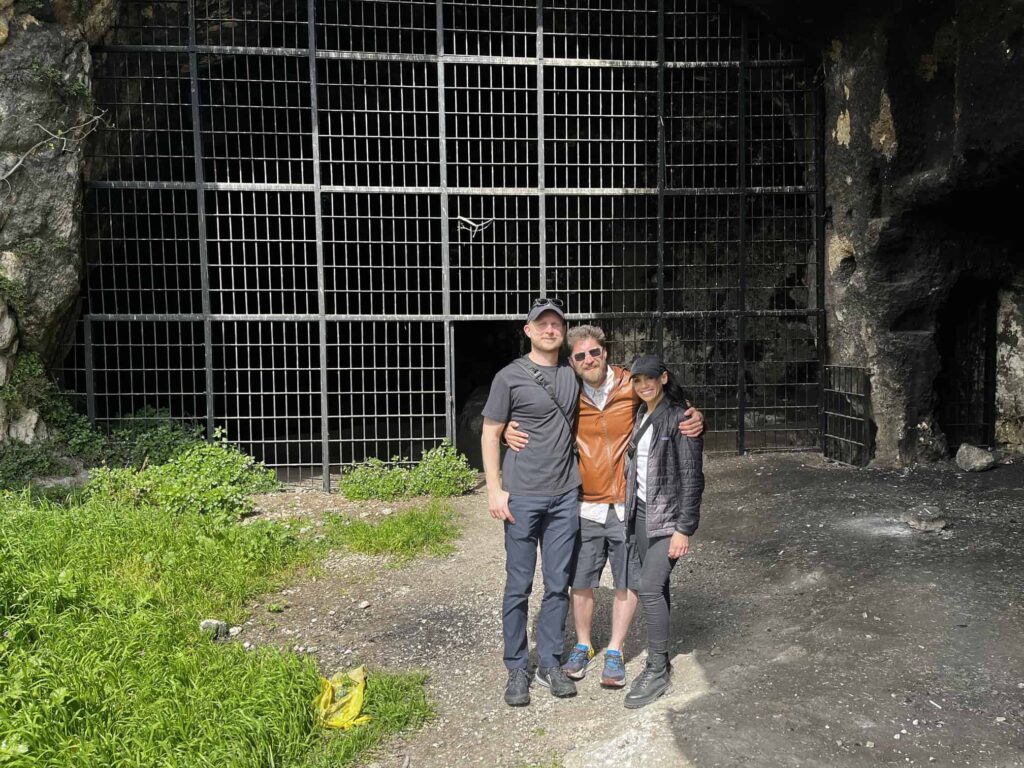
Important note for reality: access can be restricted depending on protection and permissions — but even discussing it as part of Istanbul’s deep timeline reframes the city in a profound way.
This route becomes: seaside calm + neighborhood life + a sudden doorway into prehistory.
Route 3: Üsküdar + Kuzguncuk + Ottoman Legacy
If you want Istanbul’s emotional texture — not its tourist checklist — this is the day. Let’s discover the Asian Side‘s old town Üsküdar.
Üsküdar: real Istanbul with a timeless shoreline
Üsküdar is historic, religious, daily, and alive — and the best part is that it doesn’t need to “perform.” It’s a district where ferries come and go, families stroll, and you can feel Istanbul’s Asian-side identity in the most grounded way.
You get waterfront energy without spectacle.
Kuzguncuk: a neighborhood people fall in love with
Kuzguncuk is one of Istanbul’s most beloved neighborhoods for a reason. It feels like a village tucked into the city — colorful houses, tiny streets, cats everywhere, community gardens, friendly local life.
It also carries a strong sense of Istanbul’s multicultural past — a place where different communities lived side by side, leaving behind a physical and emotional landscape that still feels unusually gentle.
Kuzguncuk doesn’t shout. It charms.
The hilltop cultural gem: Abdülmecid Efendi Mansion (Köşk)
Above Kuzguncuk, in a grove setting, sits a historic mansion known as the Abdülmecid Efendy Mansion — a space that has become connected with Koç cultural activity and exhibitions.
This is one of those Istanbul treasures that feels “secret” even though it’s real and present. A mansion with a layered past, now used for cultural events and rotating shows — and it’s not the kind of place buses stop at.
It’s the perfect offbeat pairing:
Kuzguncuk’s human-scale charm + a hilltop mansion atmosphere + contemporary cultural life in a historic shell.
You get waterfront energy without spectacle.
Route 4: Golden Horn Offbeat Neighborhoods — Cibali, Eyüpsultan, Hasköy + crossing by water
The Golden Horn is one of Istanbul’s most misunderstood gifts: historically central, visually iconic, yet strangely ignored by standard itineraries.
This is where you can see Istanbul’s social layers stacked like sediment.
Zeyrek: the 4th Hill of Constantinople
We’ll begin with one of the great signatures of Istanbul’s late-Roman infrastructure: the Valens Aqueduct, the crown jewel of the city’s 4th-century water-supply network. From there, we’ll drift downhill past the newly restored Zeyrek Çinili Hamam, a beautiful 16th-century Ottoman bathhouse that adds a completely different layer to the same streetscape.
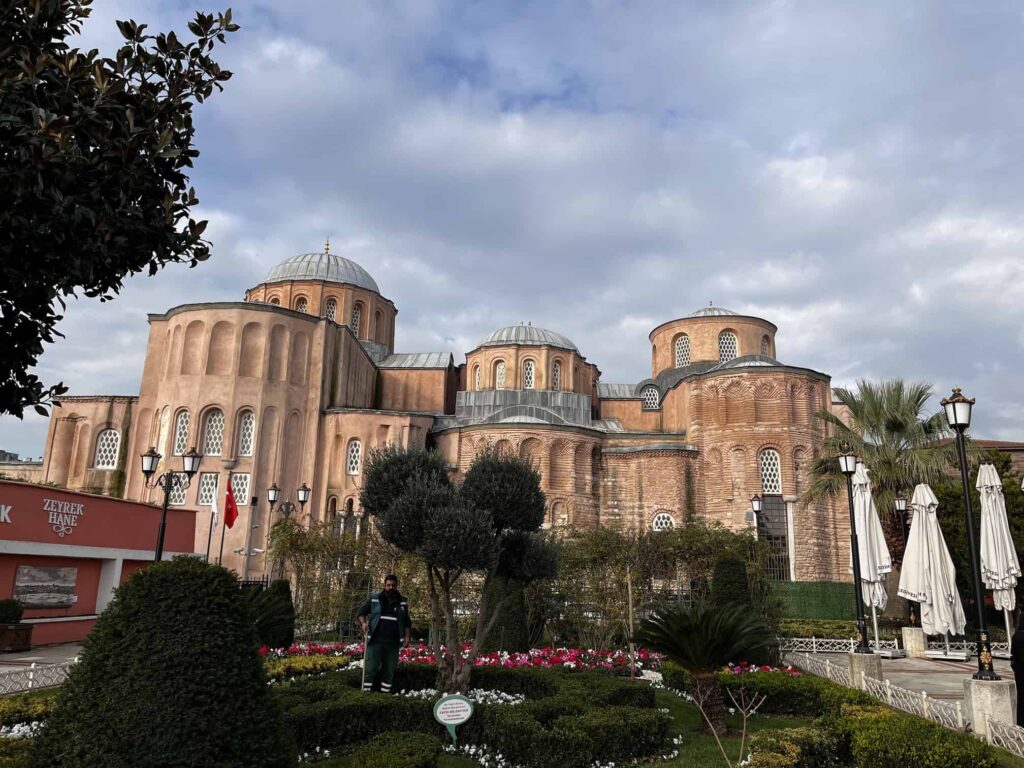
Next, we’ll step into the 12th-century Zeyrek Molla Mosque—better known in the Byzantine world as the Monastery (Church) of Christ Pantokrator, commissioned by Emperor John II Komnenos and Empress Eirene (Piroska of Hungary) between 1118 and 1136. Today, this remarkable complex continues its life as Zeyrek Mosque, still anchoring the hilltop with layers of Byzantine and Ottoman history in a single place.
And from here, the route unfolds naturally: we continue descending toward the Golden Horn, letting Zeyrek’s quieter lanes guide us into the next neighborhood and chapter of the city.
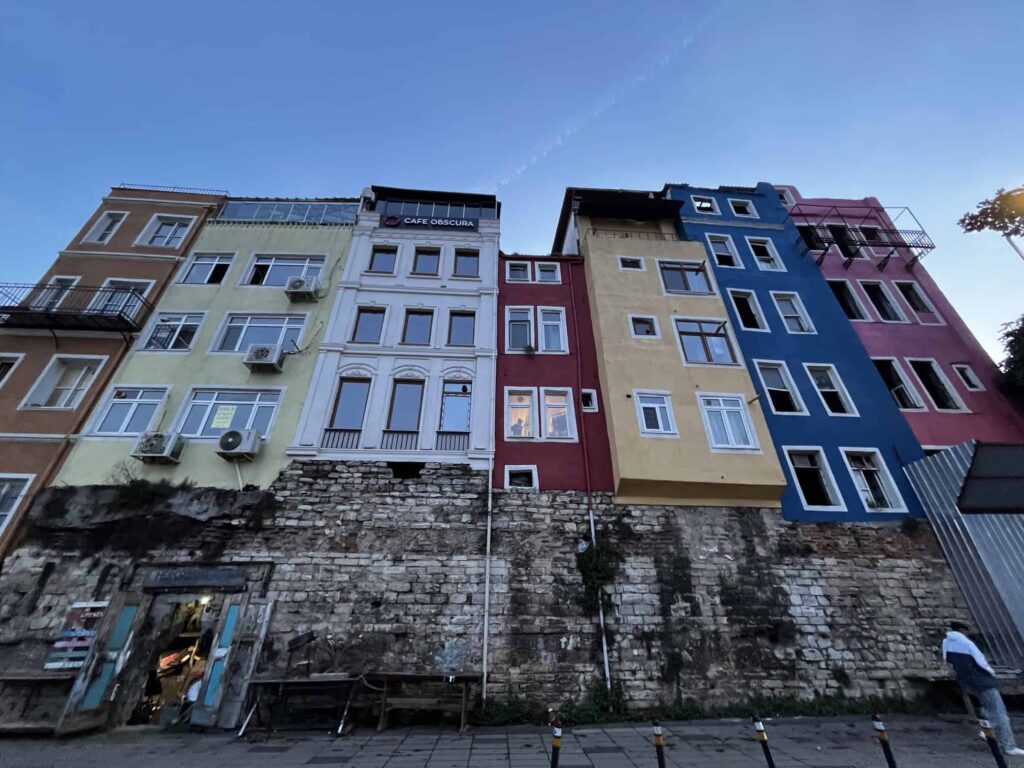
Cibali: the everyday edge of old Istanbul
Cibali is textured and honest — streets that feel like real life, not curated nostalgia. You encounter a city that hasn’t been simplified for visitors.
You’re near the old walls, old gates, old industry, and modern reuse. Even the presence of restored industrial buildings in the area hints at Istanbul’s constant cycle: decay, reinvention, survival.
Eyüpsultan: sacred Istanbul that remains truly local
Eyüpsultan is not a “stop.” It’s a lived spiritual district — one of the city’s most meaningful places for many locals.
The Eyüp Sultan Mosque complex, built in the early Ottoman period, sits beside the tomb of a companion of the Prophet — making it a powerful site that draws worshippers, families, pilgrims, and everyday visitors who come for prayer, reflection, and tradition.
You’ll see Istanbul’s spiritual culture not as a museum, but as a living rhythm: courtyards, prayer, families, local rituals, and the calm seriousness of a place that matters beyond tourism.
And then there’s the classic viewpoint (often via the Pierre Loti area), where the Golden Horn unfurls below you — a view that feels like a memory of Istanbul even if you’re seeing it for the first time.
Cross to the other side and you step into a different Golden Horn identity.
Hasköy carries a long history as a diverse neighborhood — including strong Jewish heritage — and later became shaped by industry. Today, it holds this fascinating mix: old community traces, waterfront calm, and cultural repurposing.
A natural highlight here is the Rahmi M. Koç Museum, which is one of the most surprisingly enjoyable museums in Istanbul — especially for people who think they don’t like museums. Trains, boats, machines, nostalgia, transport history, and hands-on “wow” moments (yes, including the submarine).
The real magic is the crossing itself — using the water the way Istanbul has always used water: not as scenery, but as a connector.
Because that short glide rearranges the city. One shore feels sacred and traditional; the other feels industrial, layered, and repurposed. You don’t just “visit” neighborhoods — you experience Istanbul as a living geography, where identity changes when you cross a few hundred meters of water.
And the best part: you’ve got options, depending on timing and mood:
- Option 1 — Public ferry (the classic local move): easy, reliable, and the most “everyday Istanbul” way to do it.
- Option 2 — Standard sea taxi (private + direct): if you want to cross on your own schedule with a more point-to-point feel.
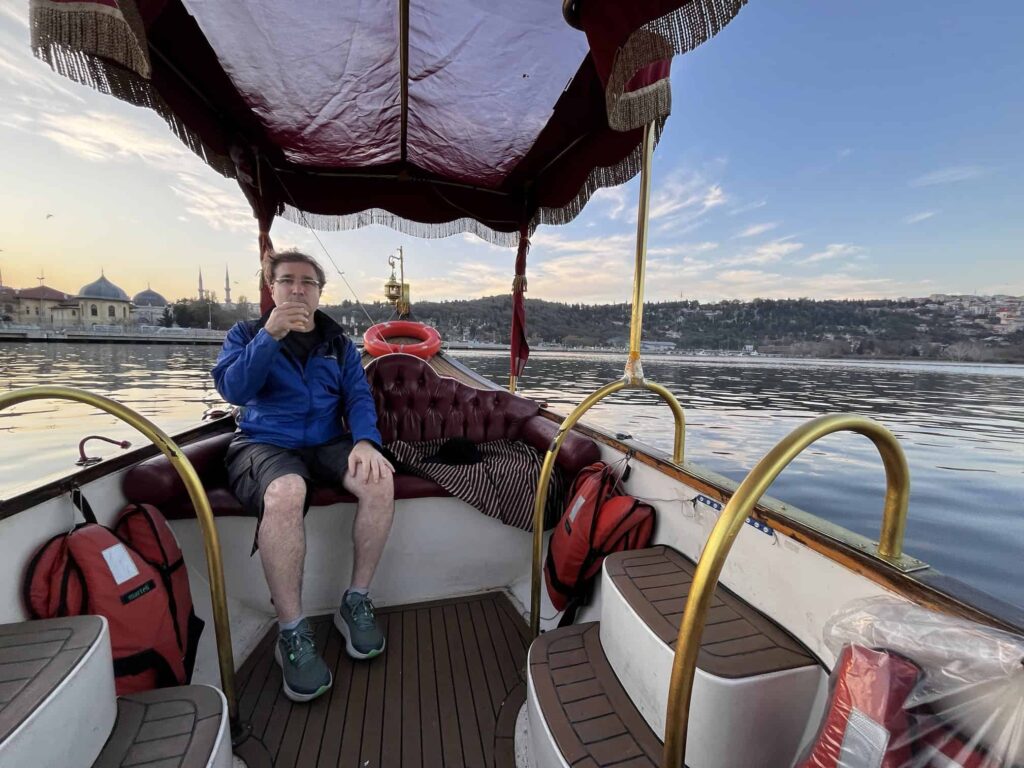
- Option 3 — The small electric boats at the Eyüpsultan pier (the hidden gem): a private local operator with compact electric water taxis — you can often just show up, see what’s running, and hop on. It’s usually very reasonably priced, and it’s one of those quietly brilliant Istanbul shortcuts you’d never plan from home.
However you cross, the effect is the same: the Golden Horn stops being a postcard and becomes a tool.
This route becomes: raw neighborhoods + spiritual Istanbul + industrial heritage + a literal water-crossing between worlds.
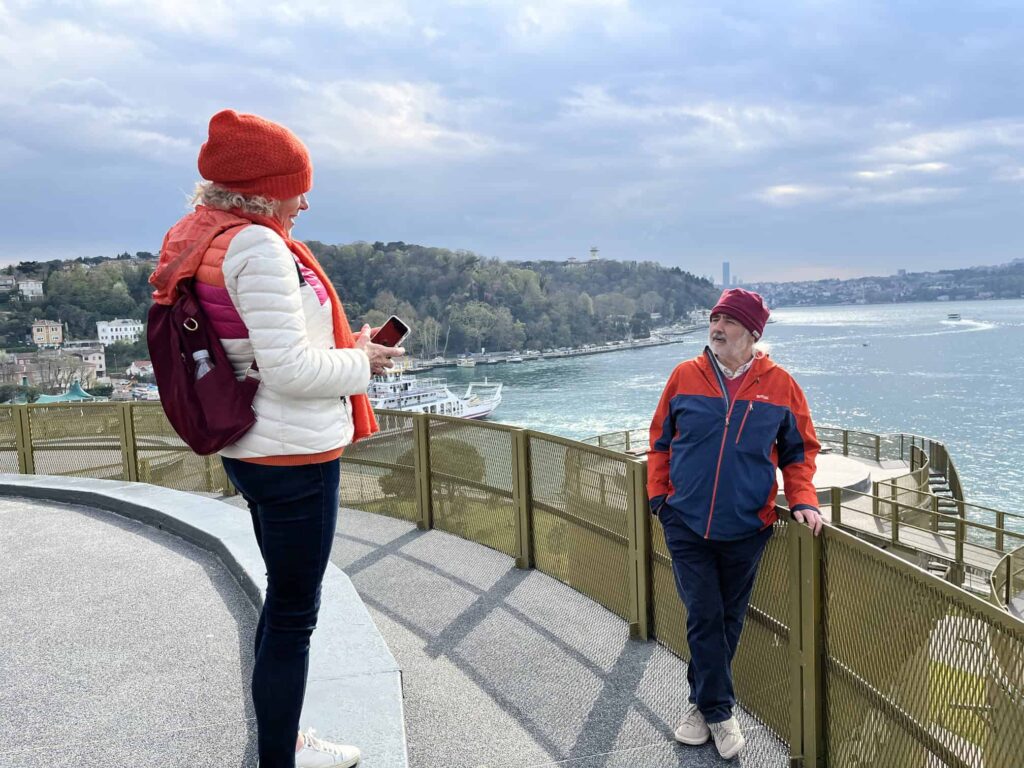
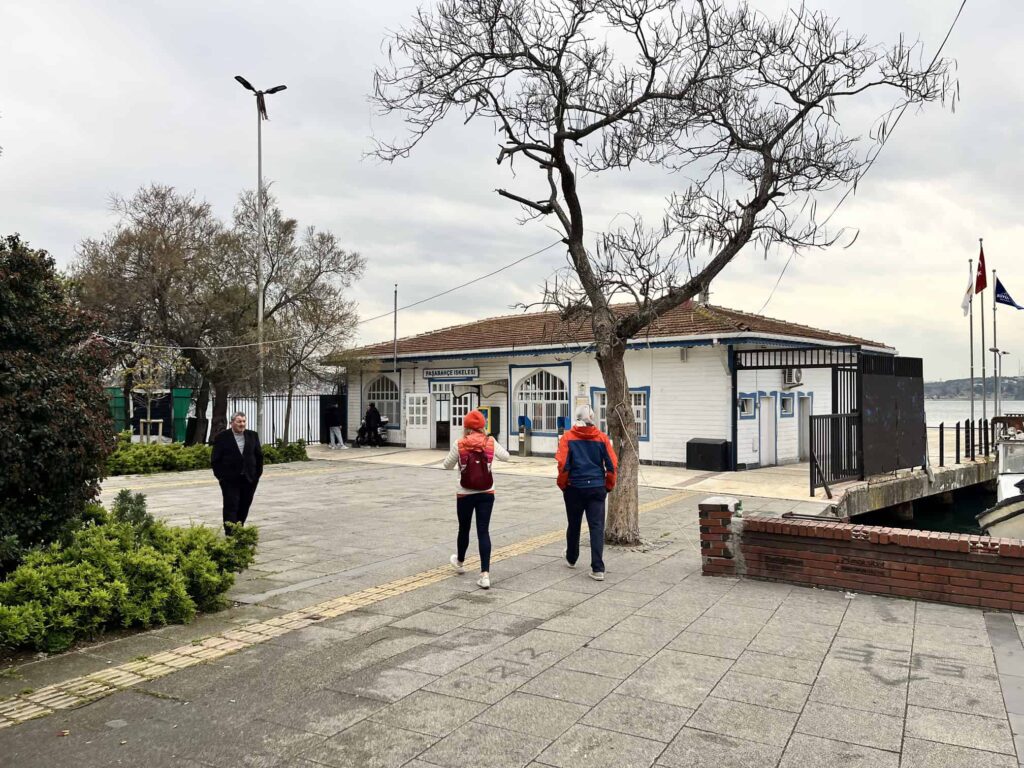
Route 5: Çubuklu Silos + Paşabahçe + Beykoz exploration
This is the Bosphorus route for travelers who want Istanbul where it starts to slow down, green up, and feel less “metropolitan” — even though you’re still inside the city.
Çubuklu Silos: industrial monument turned cultural future
The Çubuklu Silos are one of the most exciting transformations in Istanbul’s recent cultural landscape.
Originally built in the 1930s as an industrial storage site, the silos stood abandoned for years — massive cylindrical forms that felt like the city’s forgotten industrial bones.
Then came the reinvention: a restoration and conversion into a culture and arts complex, including digital art experiences, exhibition spaces, and public areas designed to make the waterfront feel alive again.
It’s the kind of place that makes you realize Istanbul isn’t only ancient — it’s also constantly rewriting itself.
You move through concrete cylinders that once served industry, now hosting modern art and contemporary public life. It’s one of the best examples of “off the beaten path” meaning both hidden history and emerging present.
Paşabahçe: Bosphorus shoreline character and local calm
Paşabahçe has that Bosphorus village feeling — waterfront tea gardens, quiet streets, a slower pace.
It’s also connected to Istanbul’s glassmaking story (many locals immediately associate Paşabahçe with that industrial heritage), and it’s a great place to feel the Bosphorus as a lived environment rather than a postcard.
Beykoz: where Istanbul starts to dissolve into forest
Beykoz is where you sense nature pulling Istanbul northward on the Asian Side. You get:
waterfront life that feels more like a town
green spaces and groves
an Istanbul that’s less polished and more breathable
One optional anchor for the deeper cultural layer is the Beykoz Glass and Crystal Museum, which highlights the region’s long relationship with glasswork — including the famous “Beykoz işi” tradition and beautiful pieces spanning many eras.
This route becomes: industrial reinvention + Bosphorus village calm + green Istanbul at the edge.
Instead of continuing deeper into Beykoz, this is a great moment to pivot back toward the city center—without losing the Bosphorus mood.
From Paşabahçe, you can take the Anadolu Kavağı → Üsküdar ferry line and cross via Kanlıca. The catch: it only runs three afternoon departures from Paşabahçe (15:00, 16:30, 17:55).
Two good ways to use it
Option A: Go all the way to Üsküdar
Üsküdar is a perfect “reset point”—from there you’ve got tons of options (Kadıköy, Karaköy/Eminönü connections, Marmaray, etc.).
Option B: Play it flexible (if you want to risk it)
You can also hop off at Asian-side stops along the way—like Anadolu Hisarı, Çengelköy, or Beylerbeyi—for a quick wander, tea stop, or waterside sunset, then continue onward.
What this route becomes: industrial reinvention + Bosphorus village calm + an easy exit back to the city (without overcommitting to the far north).
Book an Off-the-Beaten-Path Guided Tour
An Istanbul off-the-beaten-path tour with us isn’t “alternative” for the sake of being different. It’s the Istanbul that makes sense when you want the city to feel real.
If you want an Istanbul off the beaten path tour that combines nature, hidden history, underrated neighborhoods, and the kind of cultural texture you can’t fake — tell us what you’re drawn to (forests, Bosphorus villages, sacred districts, industrial heritage, deep history) and we’ll steer you into the right route.