Ask any Turkish grandmother to name a singer and the answer is almost always the same: Müzeyyen Senar. She recorded her first tracks in the 1930s, outlived entire musical generations, and kept performing well into her 90s — by which point she had become less a musician than a fact of life in Turkey, as assumed and unquestioned as history itself.
Table of Contents
A Tradition Deeper Than Any Single Voice
Turkish music does not move in a straight line. From the psychedelic protest of Selda Bağcan to the genre-defying restlessness of Büyük Ev Ablukada, the country’s musical landscape has always contained multitudes — regional, political, deeply personal. Yet underneath this sprawl runs a single current that predates all of it: Turkish Classical Music, a tradition built on Ottoman court compositions, makam scales, and centuries of refinement that no revolution, republic, or pop wave has managed to displace.
It was into this tradition that Müzeyyen Senar was born — and it was this tradition she would spend a lifetime defending, interpreting, and ultimately defining for the modern era. Her voice carried something the genre had rarely found before: emotional directness married to flawless classical technique, the kind of combination that makes a listener feel both educated and undone at the same time.
The Making of the Diva of the Republic
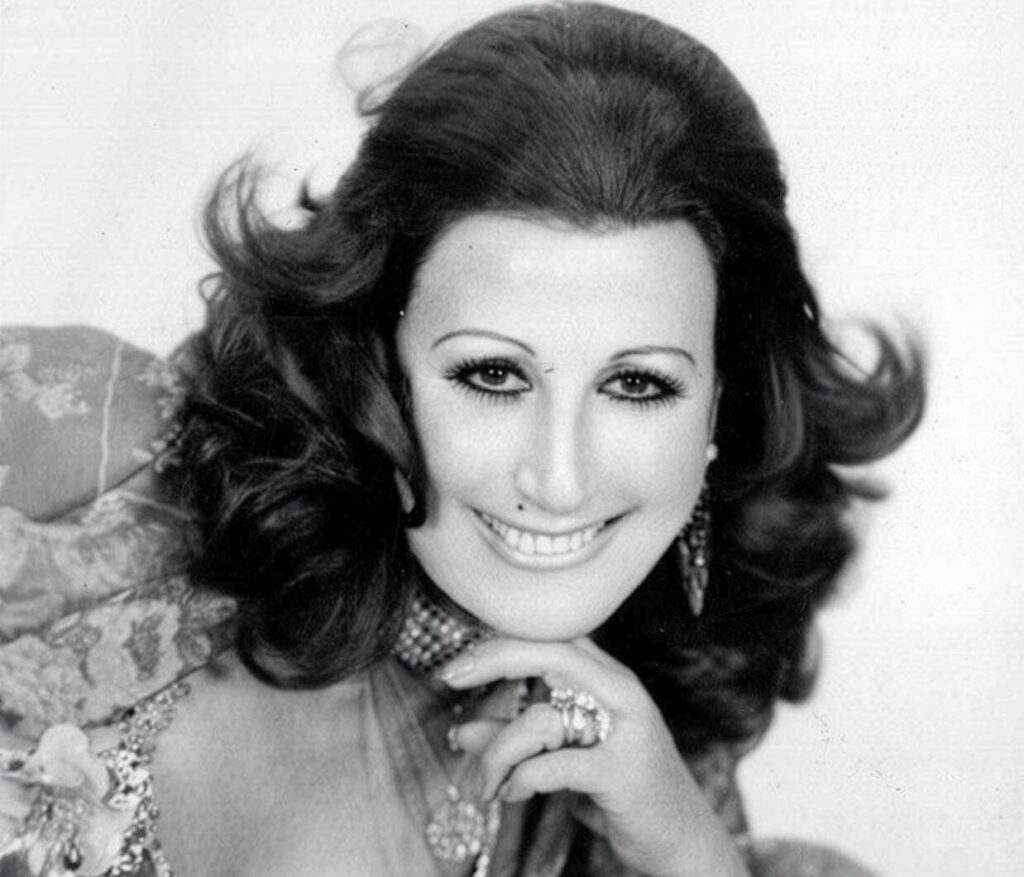
Müzeyyen Senar was born in 1919 in Istanbul, the same year the Turkish War of Independence began reshaping the map of Anatolia. She showed musical ability early enough that by her teens she was already performing on Turkish Radio — then the most powerful cultural platform in the country, the channel through which the new Republic projected its vision of a modern national identity. Senar’s voice became part of that vision almost by accident, and then entirely by design.
Through the 1940s and 1950s she recorded prolifically, her repertoire drawing on the classical fasıl tradition — long-form suites of interlinked songs performed in a single makam — as well as the more intimate şarkı form that suited radio broadcasting. Each recording felt less like a performance and more like a document: proof that this Ottoman-rooted music had not been left behind by the new century but carried forward by a voice equal to its demands.
The Voice Itself: Technique & Emotion
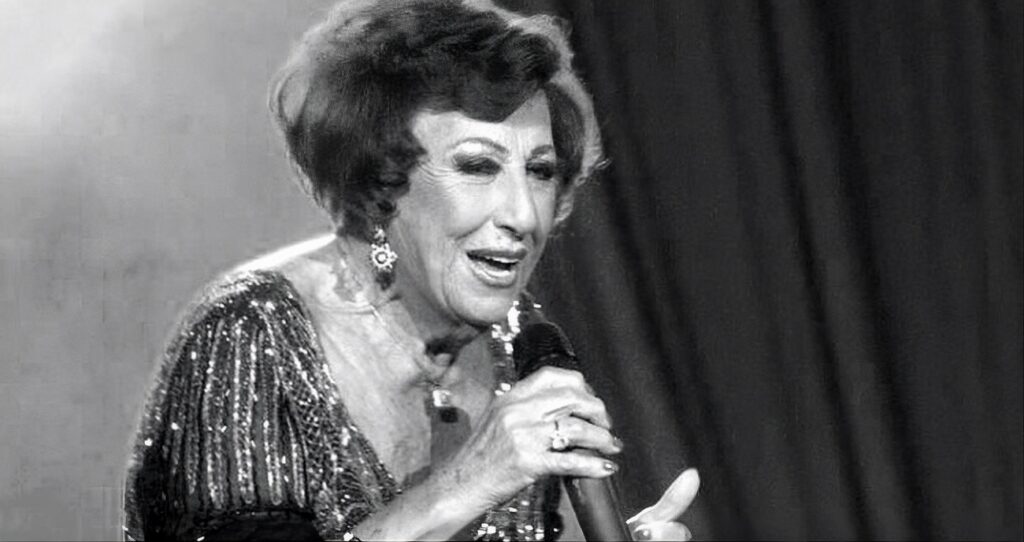
What set Senar apart from her contemporaries was not range alone — though her range was formidable — but her command of makam, the modal framework at the heart of Turkish Classical Music. Each makam carries its own emotional character: Hicaz suggests longing and exile, Rast projects nobility and calm, Uşşak tilts toward melancholy. Senar moved between them with the confidence of someone who had not merely studied the rules but internalised them so completely she could bend them without breaking them.
Listeners who encountered her recordings for the first time often described the experience the same way: they had not expected to feel so much. There is something in the grain of her voice — a controlled roughness at the edges of sustained notes, a precision in ornamentation that never tips into showmanship — that bypasses the analytical mind and lands somewhere older and less explicable. It is the quality that earned her the title Diva of the Republic, and it is the quality that no title can fully account for.
Legacy & the Weight of a Century
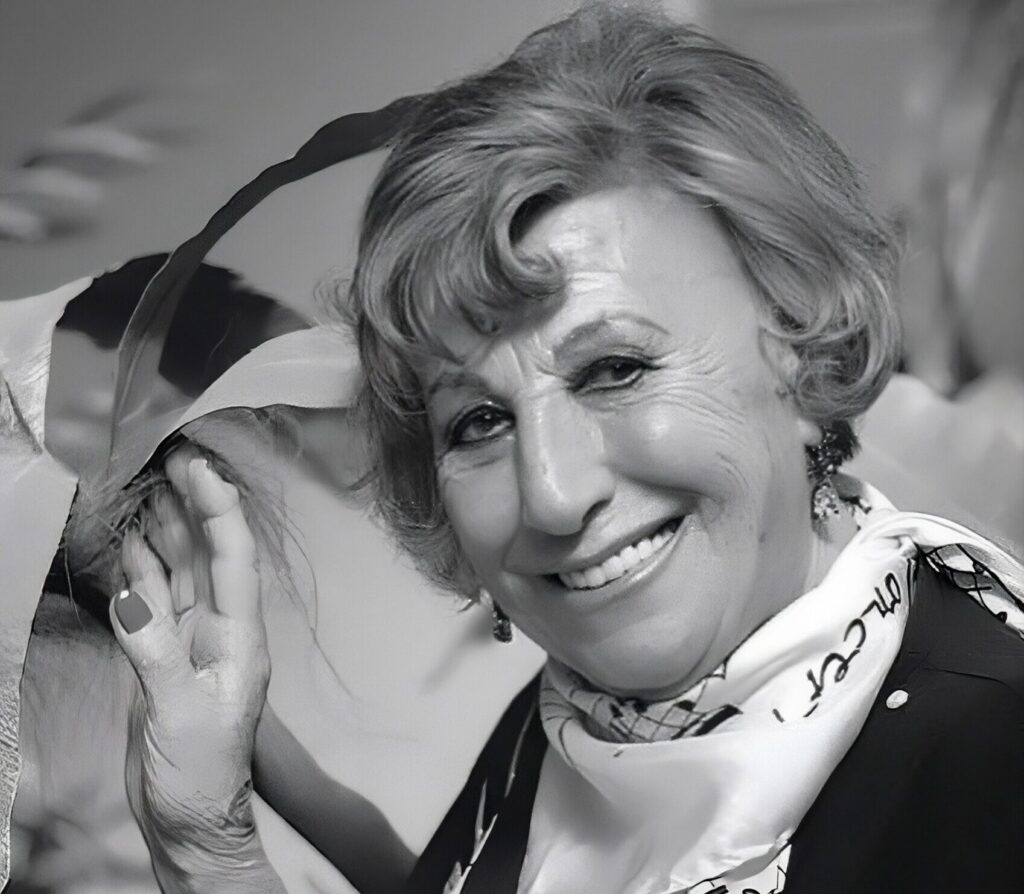
Müzeyyen Senar passed away in 2015 at the age of 95, having recorded over 600 songs across eight decades. She received the State Artist title from the Turkish government — the highest cultural honour the country awards — and remained active as a performer long after most artists would have considered a career complete. Her final concerts were not nostalgic events but genuine performances, the voice older but the interpretive authority entirely intact.
Turkish Classical Music occupies a complicated position in contemporary Turkey — beloved but sometimes treated as a museum piece, celebrated in official culture while pop and arabesque dominate the charts. Senar’s recordings push back against that framing simply by existing: they are too alive, too specific, too emotionally present to function as mere heritage. Anyone who discovers them now, through a grandparent’s record collection or a late-night streaming rabbit hole, tends to report the same surprise — that something this old sounds this immediate, and that a voice recorded in 1947 can still make the room go quiet.
Explore Turkish Music with The Other Tour
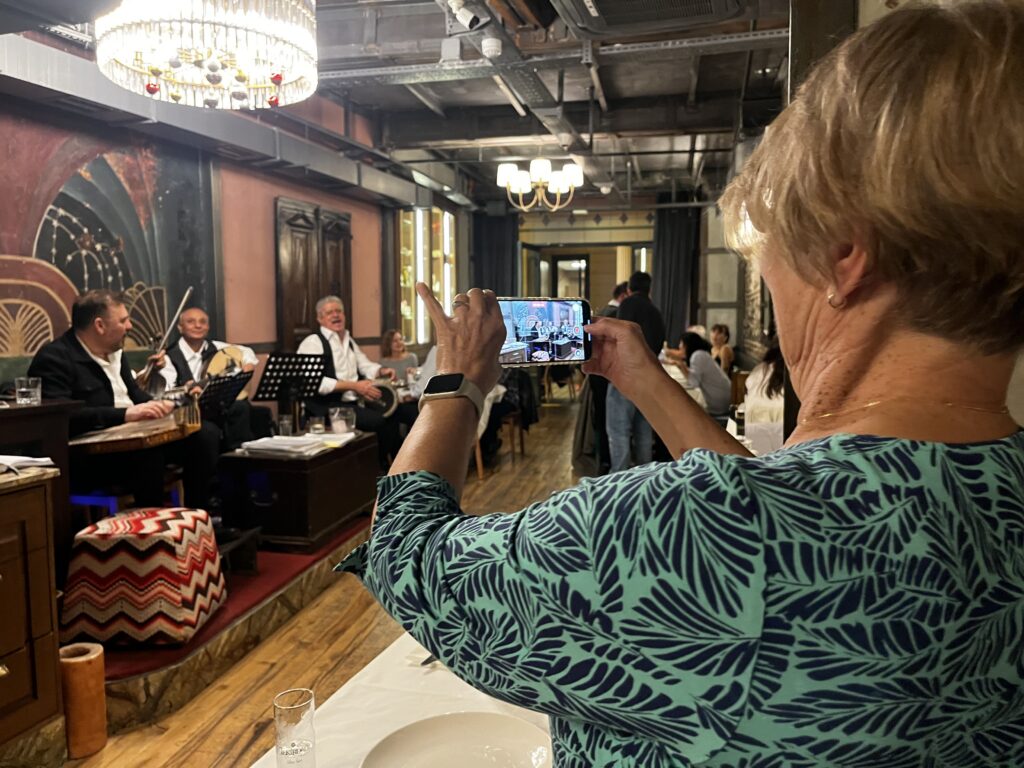
Turkish music is best understood live — in the streets, the meyhanes, and the cultural spaces of Istanbul that still carry its echo. If the story of Müzeyyen Senar has made you curious about the city she called home, The Other Tour can take you there — not just to the landmarks, but to the living culture underneath them. Book a private Istanbul culture tour and let the music lead the way.