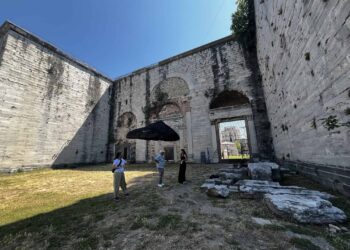
At Göbeklitepe, the world’s oldest known monumental site, restoration expert Murat Akman is setting 12,000-year-old walls back on their feet, using the same soil and goat hair the Neolithic builders once mixed by hand.
Table of Contents
A Quiet Revolution at Göbeklitepe
In 1994, a survey team reached a hilltop in southeastern Turkey, not far from Şanlıurfa. Tomato and pepper fields covered the land. Poking through the soil were the tops of massive T-shaped stones.
Three people stood on that hillside: Klaus Schmidt, Michael Morsch, and Murat Akman. They had just come from Nevalı Çori, a nearby Neolithic site where the same T-shaped pillars had already surfaced, so they recognised the shape at once. The German Archaeological Institute still records all three names as the rediscoverers of the site.
“We transferred our knowledge from Nevalı Çori to here,” Akman recalls. “We saw the T-shapes and said, this is it.”
That identification pushed monumental building back thousands of years before Stonehenge, before farming, writing, or pottery existed anywhere on Earth. Schmidt became one of archaeology‘s most cited names, and the hill, now a UNESCO World Heritage Site, became a global sensation. Murat Akman stayed. Three decades later he still is, leading the team putting the fallen stones back where they belong.
New Findings and Thoughts in 2026
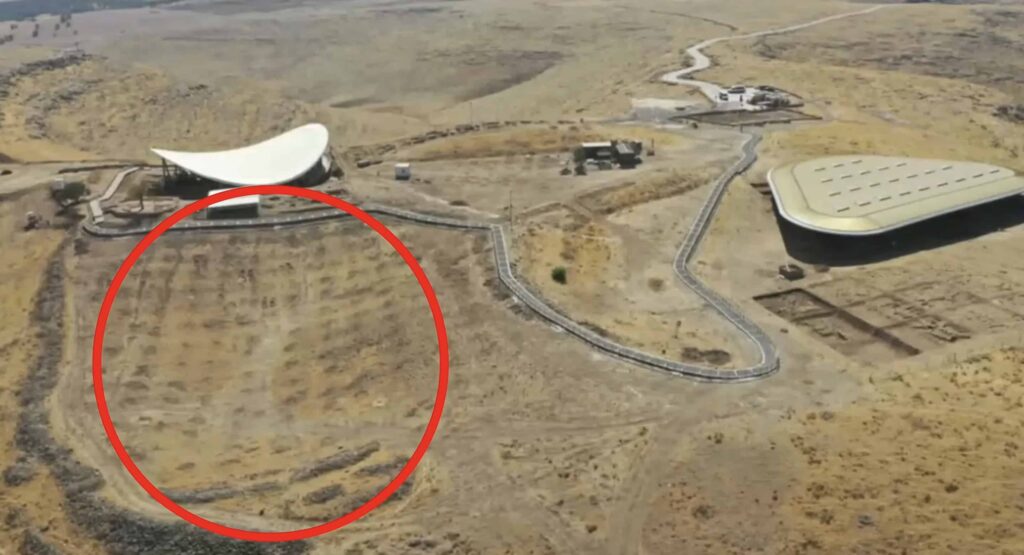
For years, Göbeklitepe was popularly presented as an isolated temple complex built by mobile hunter-gatherers. That interpretation now requires a major qualification: the 2026 excavations show that Göbeklitepe was also a settlement, with domestic buildings gathered around its monumental communal structures.
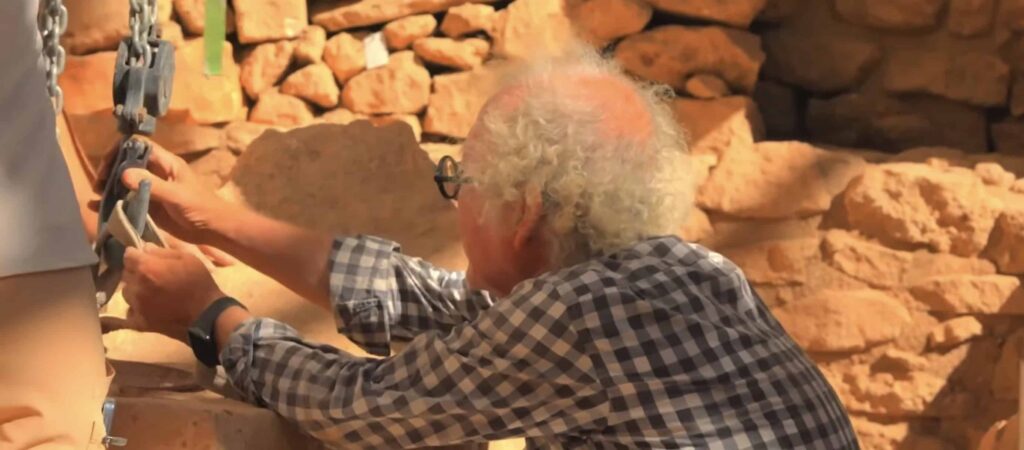
Murat Akman is therefore restoring more than a collection of ancient “temples.” He is helping recover a lived Neolithic landscape in which homes, work, food and ritual occupied the same hill.
A 24-Year Rescue Mission
Before Göbeklitepe, there was Nevalı Çori, whose cult building held T-shaped pillars set into stone benches, the two central ones 2.35 metres tall and carved with human arms.
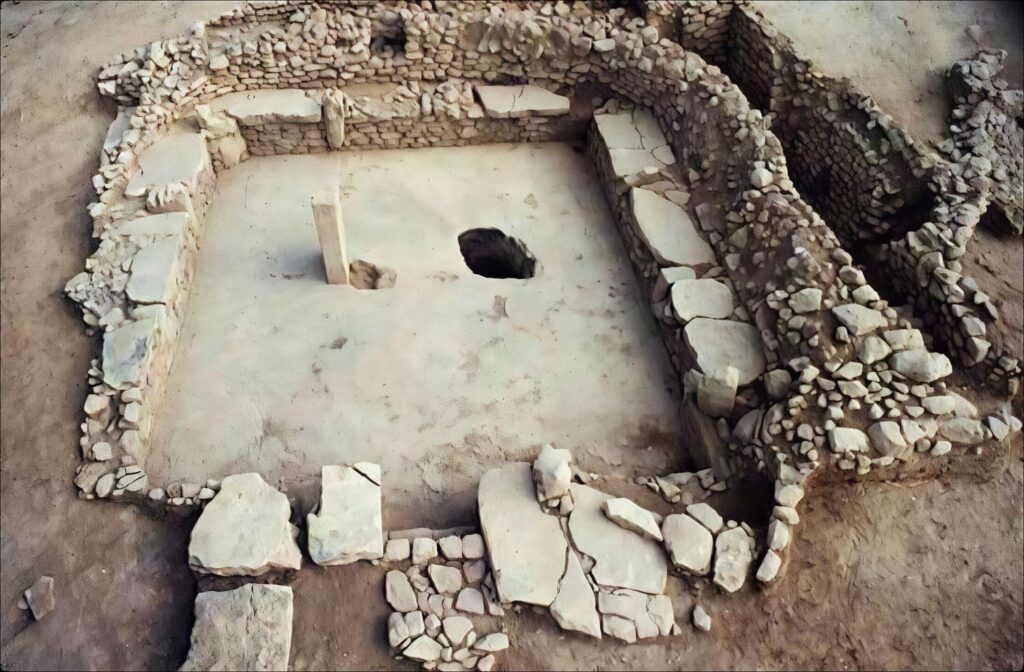
When the Atatürk Dam‘s reservoir began rising in 1992, threatening to drown the site, Akman documented the building, numbered its limestone blocks, and organised their transport before the water arrived, using a heavy-duty Unimog lent by the firm building the dam itself.
Workers trucked the stones to the courtyard of the old Şanlıurfa museum. And there they sat, for twenty-four years. At one point the museum’s director, the late Adnan Mısır, called Akman directly.
“Take these stones away,” he said. “We can’t get the coal truck into the depot.”
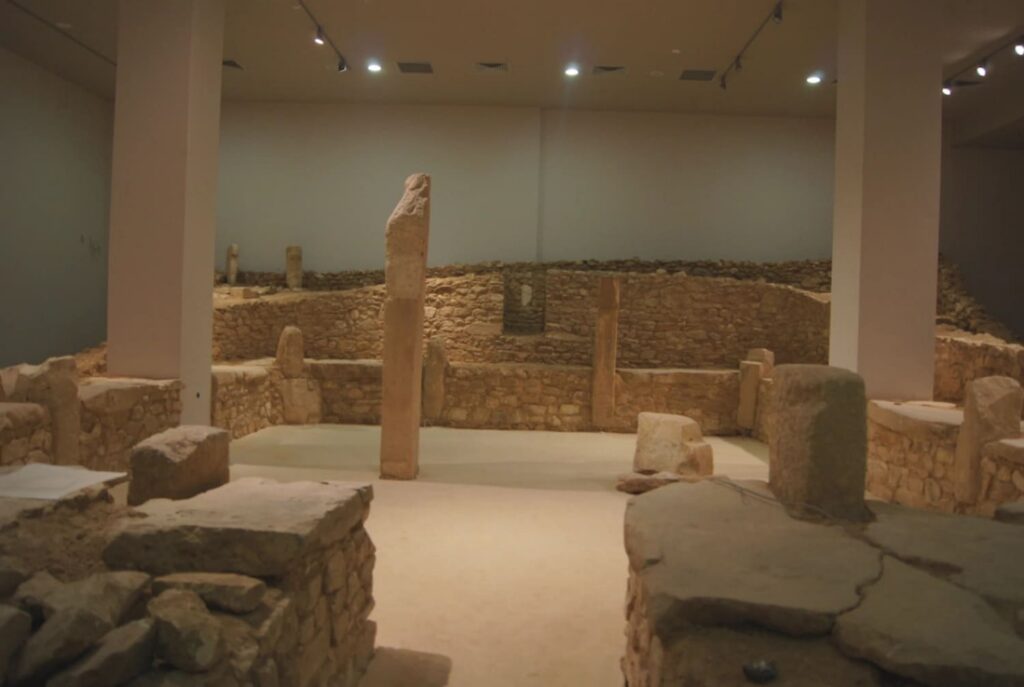
Akman came, stacked the stones into a corner, and waited. When the new Şanlıurfa Archaeology Museum, Turkey’s largest museum complex, was finally complete, he got his chance. Working largely alone with local assistants, he rebuilt the Nevalı Çori cult building inside it, from documentation, memory, and decades of knowing exactly how each block fit.
Visitors walk through that reconstructed space today without knowing the stones spent a quarter-century in a courtyard, or that one man carried the shape of the building in his head the entire time.
Raising the Pillars Again
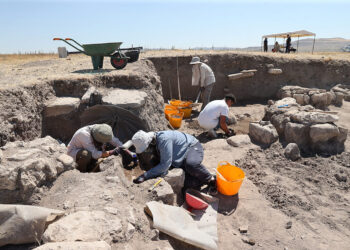
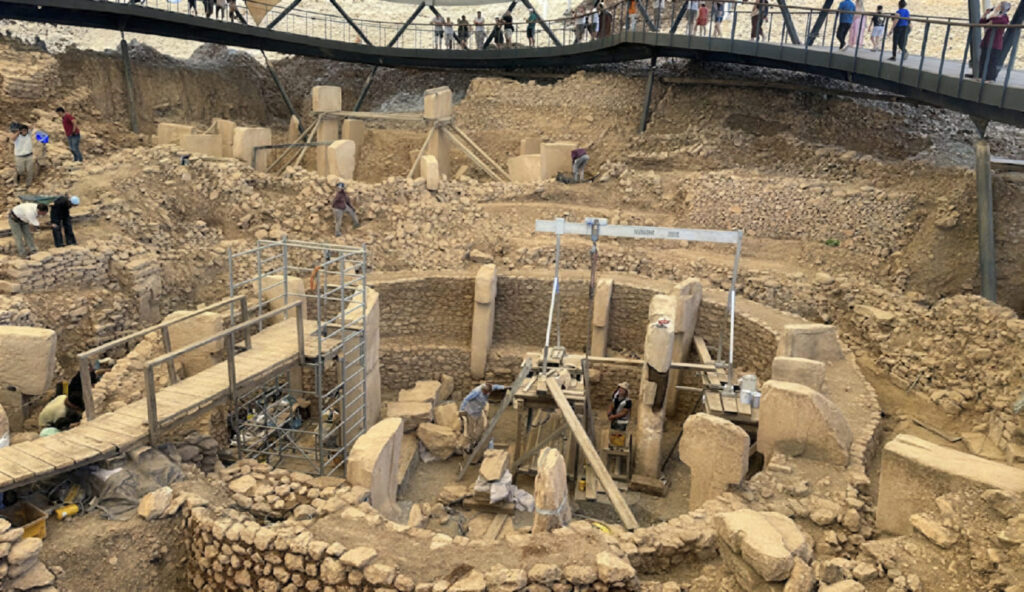
Now Akman heads the restoration team at Göbeklitepe under the excavation project led by Professor Necmi Karul, part of the wider Taş Tepeler (Stone Hills) initiative. The most urgent work centres on Structure C, one of the largest enclosures on the site, alongside Structure D.

The Neolithic builders raised these walls dry, without mortar, and over 12,000 years the packing between the stones eroded away completely. Walls began to lean. Pillars cracked and toppled.
“If we had been even a little later,” Akman says, “the walls wouldn’t have held. There was nothing left between the stones.”
The team’s answer is a mortar mixed from the hill itself: sieved soil, local gravel, and goat hair, which binds the mud together and endures remarkably well as an organic material.
No cement, no synthetic anything. They pack every joint by hand, working in concentric rings from the inside out, and match each fallen pillar back to the spot where old excavation drawings and photographs say it stood.
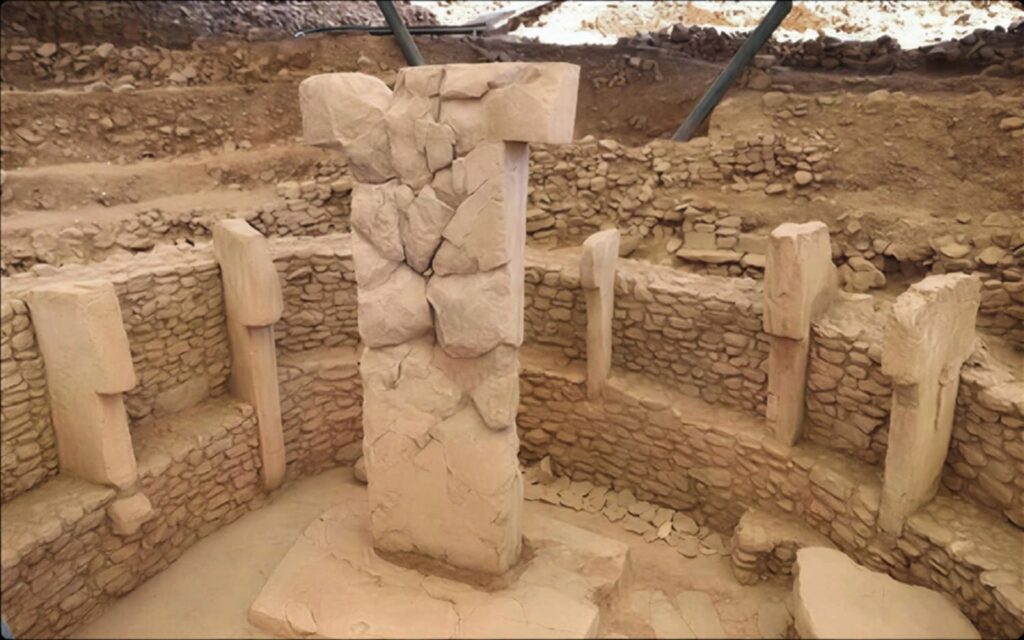
One T-shaped pillar, an estimated 5.20 metres tall, is upright and stable again, its cracked surface pieced back together from fragments, glued, injected, and reinforced.
“Think about it,” Akman says. “How many times in your life can you witness the restoration of a 12,000-year-old building? There’s nothing like this anywhere in the world.”
The Art of Anastylosis
The technique is called anastylosis: reassembling a ruined structure from its own original material. Where a wall has partly collapsed, the team fills the gaps with new stone left deliberately distinguishable from the ancient blocks, so future visitors can tell old from new.
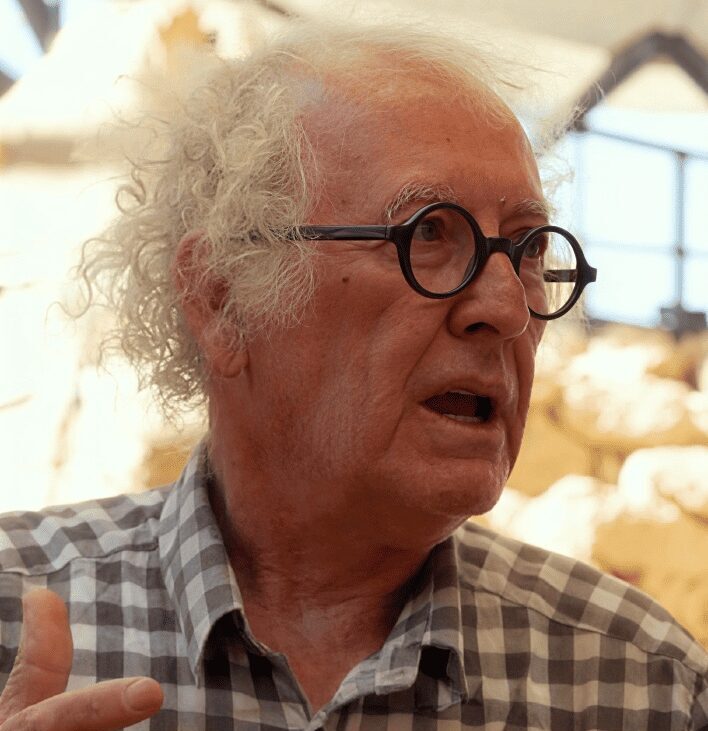
“Our goal is to stabilise first,” Akman explains. “Bring the pieces together. Strengthen them within themselves. And then, where it helps with visual understanding, we complete certain sections, but only where it’s necessary.”
With the carved reliefs, cracked and flaked by millennia of thermal stress, his approach turns cautious: inject, stabilise, protect what remains. He reconstructs the imagery only when the documentation supports it and it genuinely helps a visitor understand the carving.
“There’s no need to force it,” he says.
A Teacher in the Trenches
Six restorers, young professionals and trainees, are learning the craft beside Akman inside one of the most important archaeological sites on Earth.
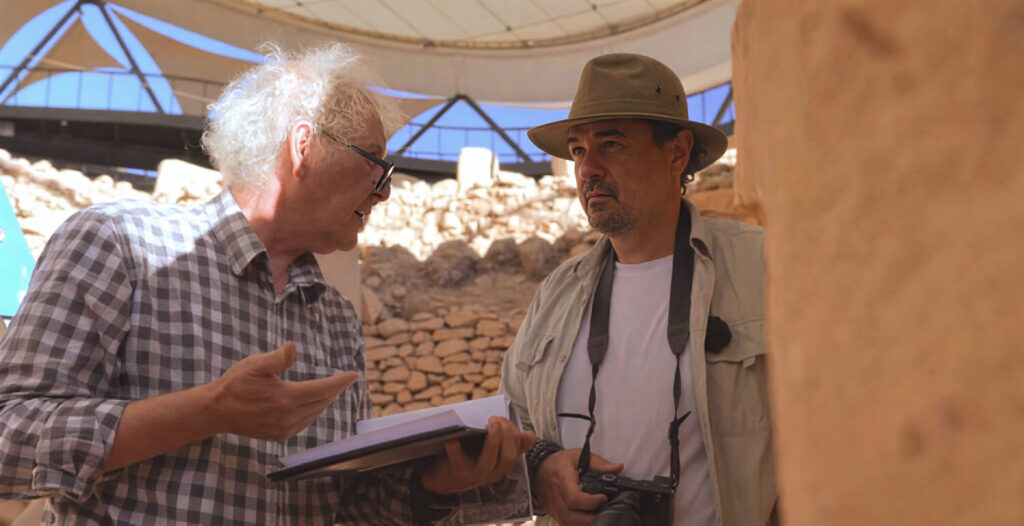
“Murat has always been someone who values other people’s ideas,” says Professor Karul, “but he also knows how to pass on his own experience. He is restoring Göbeklitepe, and at the same time, he is training the next generation.”
That spirit runs wider than the restoration team. Students from Göbeklitepe, Karahantepe, and Sayburç gather at the dig house each evening to compare notes, and international scholars visit regularly, a tradition that traces back to the original Nevalı Çori excavations and continues across the ten Taş Tepeler digs now running around Şanlıurfa.
What Visitors Will See Now
If you visited Göbeklitepe before, you may remember looking down from the viewing platform at a confusing jumble of stone. That is changing. As the team finishes Structure C, the architecture is becoming legible for the first time: the concentric walls, the central pillars, the true scale of the building.
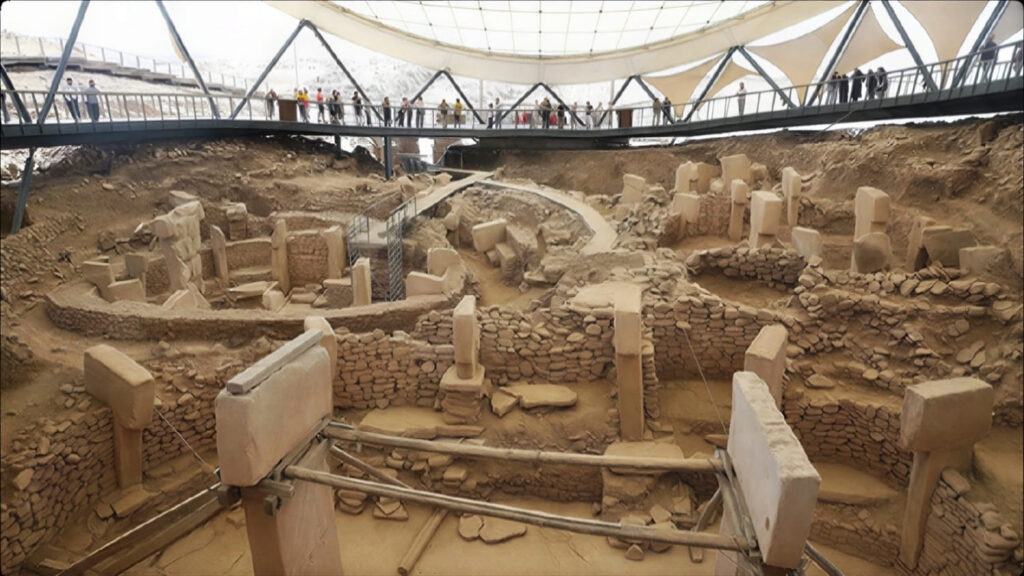
“When you’re standing inside,” Akman says, “you understand the size. I’m 185 centimetres tall, and next to these pillars, I look like a child.”
Reliefs barely visible before, a panther here, a carved figure there, are emerging as the walls are stabilised and the debris cleared.
A knowledgeable local guide who knows this restoration story can point out exactly where the original stone ends and the new stone begins, the kind of detail that turns a field of pillars into a 12,000-year story.
The Invisible Genius Behind the Stones
It is a strange thing, in an age of relentless self-promotion, that a person of Murat Akman‘s calibre has no personal website and no public profile to speak of. Just decades of work, stone by stone, in the dust of upper Mesopotamia. He was there when the hill was still a pepper field. He saved Nevalı Çori from the rising water, kept its stones safe for a generation, and rebuilt it inside a museum.
Now he is restoring the oldest monumental buildings in the world so they survive another 12,000 years.
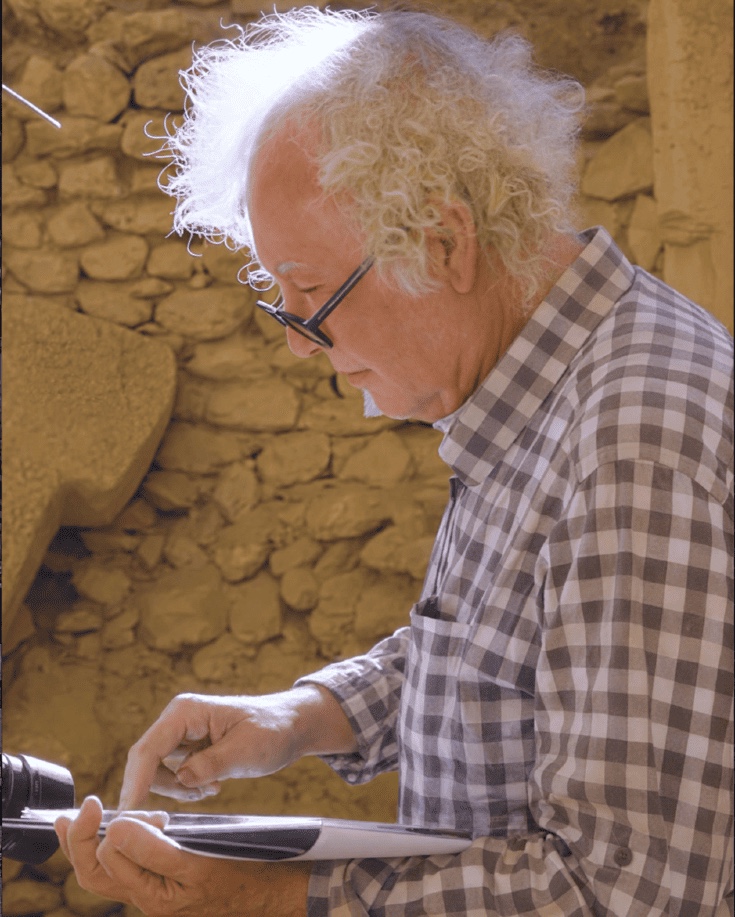
The next time you visit Göbeklitepe, look past the T-shaped pillars and the animal carvings everyone photographs. Look at the walls, at the joints filled with local earth and goat hair. That is the work of Murat Akman. And now, at least, you know his name.
Good to Know Before You Go
- Location: Göbeklitepe sits roughly 15 kilometres northeast of Şanlıurfa, in southeastern Turkey.
- Opening: The site is open to visitors year-round, and the enclosures sit under a protective shelter, so rain and summer heat are far less of a factor than the drive out.
- Entrance Fees: See the 2026 museum fee guide for current pricing at Göbeklitepe and the museums of the wider region.
- Best Paired With: The reconstructed Nevalı Çori cult building inside the Şanlıurfa Archaeology Museum, and Karahantepe, the neighbouring Taş Tepeler site.
- How to See the Restoration: None of this is signposted on site. Ask for a private guided visit and mention the restoration story when you write to us.
FAQ - Frequently Asked Questions
Who restores Göbeklitepe?
Restoration expert Murat Akman heads the restoration team at Göbeklitepe, within the excavation project led by Professor Necmi Karul under the Taş Tepeler initiative. Akman was one of the three people who rediscovered the site in 1994, alongside Klaus Schmidt and Michael Morsch.
How is Göbeklitepe being restored?
By anastylosis: reassembling the structures from their own original stone. The team mixes mortar from soil taken from the site, sieved and blended with local gravel and bound with goat hair. No cement and no synthetic material are used anywhere in the walls.
Is Göbeklitepe worth visiting during restoration work?
More so than before. The restoration of Structure C has made the architecture legible from the viewing platform for the first time, where earlier visitors saw a jumble of stone. Reliefs hidden under debris are also emerging as walls are stabilised.
Can I visit Göbeklitepe without a guide, and what would I miss?
You can. What you would miss is the reading: which stones are original and which are new, why the joints are packed with earth rather than cement, and how a 12,000-year-old room was actually built. A licensed local guide who follows the excavation can show you all of it.
How do I arrange a Göbeklitepe tour with The Other Tour?
Send us an inquiry with your travel dates. The Other Tour has operated since 2011 as a TÜRSAB licensed operator (#7651), takes no commissions or shop kickbacks, and builds each private tour after a consultation rather than selling a fixed package.
Walk Where He Restored with The Other Tour
The Göbeklitepe most visitors photograph is a field of ancient stone. The one Murat Akman is building back to its feet, joint by joint, with soil and goat hair, is the one that lets you stand inside a 12,000-year-old room and understand its scale for the first time.
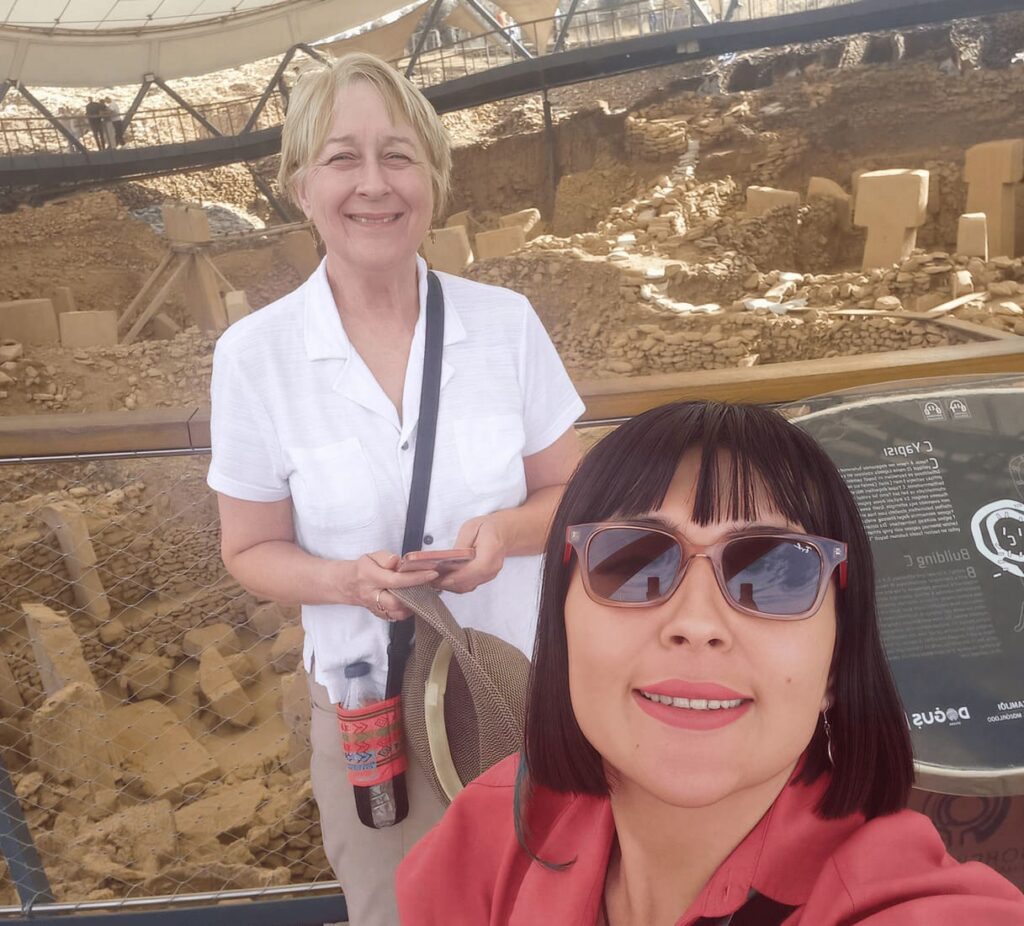
For private guided tours that go beyond the surface, including the restoration story and the wider Taş Tepeler project, get in touch with The Other Tour. Tell us your travel dates, and our team will build a day around Göbeklitepe, Karahantepe, and the wider Mesopotamia region, with a licensed guide who knows exactly where to look.