Few images are more mismatched than a Norse warrior beneath Constantinople’s mosaics. Yet for 300 years, Scandinavian axemen guarded the Byzantine throne and fought across Turkey’s interior. At The Other Tour, this strange inheritance proves Istanbul’s history never stayed as tidy as the postcards suggest.
Table of Contents
Vikings in the Service of Byzantium
Emperor Basil II founded the Varangian Guard in 988, after a beleaguered Kievan prince named Vladimir sent him six thousand Norse warriors in exchange for the emperor’s sister’s hand in marriage and a mass conversion to Christianity.
Basil had just crushed a rebellion with their help at Chrysopolis, on the Anatolian shore across from the capital in what is now Üsküdar, and he never went back to relying on native Byzantine troops for his personal safety again. Loyalty, not lineage, was the point — these were men with no local faction to betray him for.
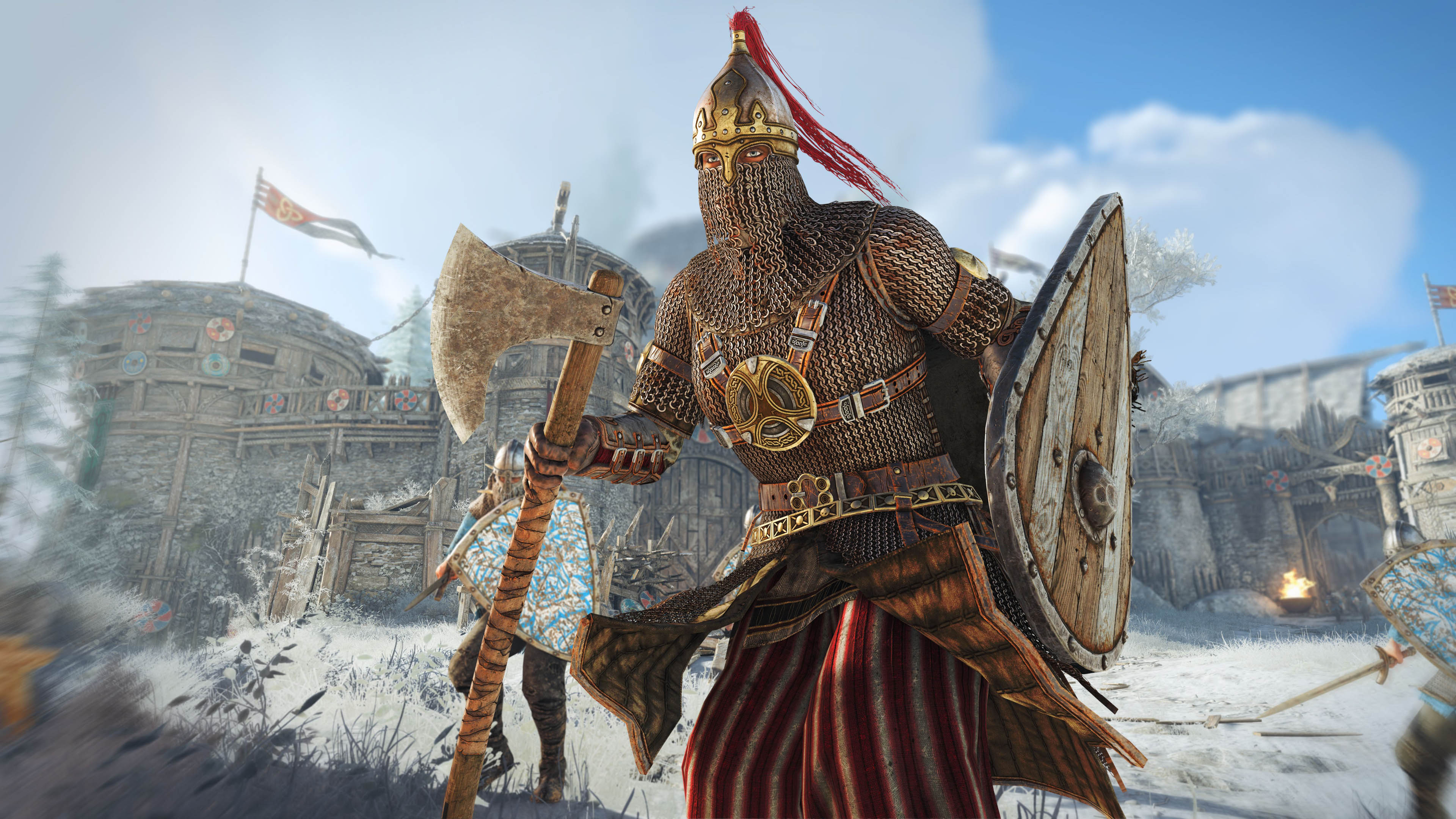
Within a generation, the Guard drew recruits from across the Norse world — Swedes, Danes, Icelanders, and eventually a wave of Anglo-Saxons fleeing the Norman conquest of England.
Byzantine chroniclers called them the “axe-bearing barbarians,” equal parts admiring and unnerved by warriors who fought with two-handed Danish axes in a world of curved swords and cavalry. Emperors paid extraordinarily well for the privilege of trusting them completely.
Harald Hardrada's Anatolian Campaigns
The Guard’s most famous commander never planned on becoming a Norwegian king. Harald Sigurdsson arrived in Constantinople around 1034 as an exiled half-brother of a dead saint-king, and within a year he was leading Varangian detachments against Arab pirates operating along Anatolia’s Aegean coast.
The campaigns pushed inland fast — by the following year, Byzantine forces under Harald had driven the raiders east and south, striking as far as the Tigris and Euphrates in Mesopotamia and reportedly seizing eighty fortified towns along the way.

He went on to fight in Sicily under the Byzantine general George Maniakes and crush a Bulgarian uprising in the Balkans, earning the nickname “Bulgar-burner” from his own court poet.
By the time he left Byzantine service around 1042, Harald had amassed a fortune large enough to fund a claim on the Norwegian throne — and later, in 1066, the invasion of England that ended at Stamford Bridge.
The soldier who once burned towns along the Tigris died on a battlefield in Yorkshire, but his years in Anatolia were where the legend started.
The Guard's Last Stand at Manzikert
The Guard’s finest hour was also its worst. On 26 August 1071, Emperor Romanos IV marched a Byzantine army — Varangians included — to meet the Seljuk Empire‘s Sultan Alp Arslan near Lake Van, far in Anatolia’s eastern reaches.
The wings of the Byzantine line broke under withering Turkish archery, and the Guard fought on around their emperor after the center collapsed, refusing to retreat even as the battle turned into a rout.
Discover Turkic warriors, cosmic scholars, and mosques that shaped Turkish heritage.
Alp Arslan’s forces captured Romanos, and much of the Varangian Guard died protecting him rather than abandon the field — a level of loyalty that had defined the unit since Basil II first recruited it a century earlier.
The defeat at Manzikert cracked Byzantine Anatolia open permanently, clearing the way for Turkish settlement across the plateau over the following decades. The Guard survived the battle as an institution, but the empire it served never fully recovered the ground it lost that day.
Runes Carved into Hagia Sophia

The clearest trace the Varangians left behind isn’t in a chronicle at all — it’s scratched into a marble balustrade on the upper gallery of Hagia Sophia. Discovered in 1964, the inscription reads only partially today, but runologists have reconstructed enough to identify a Norse name: Halvdan.
The likely full text follows a formula found on rune stones across Scandinavia — simply, “Halvdan carved these runes.” A second, fainter inscription nearby has been read as the name Árni, and Norwegian archivists have logged several more possible fragments since.
No one knows whether Halvdan carved his name during a quiet shift on guard duty or as a private joke — bored soldiers marking territory the same way they might anywhere else in the world. Either way, it’s the only known Viking graffiti inside a building still standing exactly where they left it, in the city they once called Miklagård, the Great City.
Experience The Legacy With Us

Walk in the footsteps of the Varangian Guard and discover secrets like the Viking runic graffiti still faintly visible inside the Hagia Sophia. Instead of just walking past monuments, step into a vibrant crossroads of history.
From the ancient Old City to the lively Bosphorus, our Istanbul walking tours take you far beyond the standard guidebook routes. Check out our daily itineraries to uncover stories hidden in plain sight and see the city through a completely different lens.