
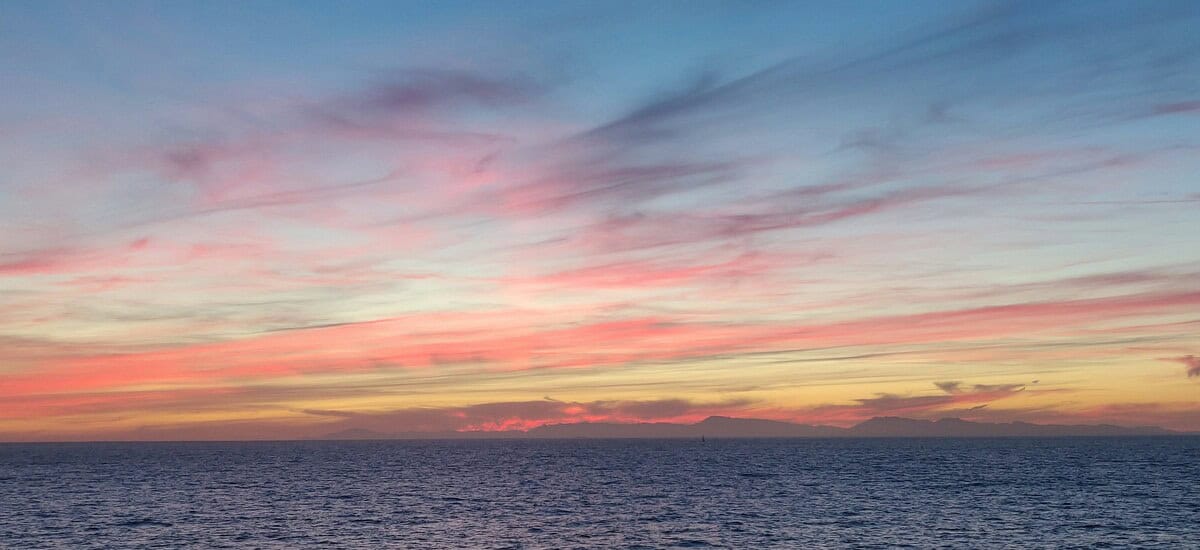
Turkey boasts the Mediterranean to its south, like a vast, inviting cushion of serenity. The Turkish Riviera, with its pristine beaches, crystal-clear waters, and luxurious resorts, stands shoulder to shoulder with the finest beach destinations in the world!
Table of Contents
Introduction
The Mediterranean Sea, often called the cradle of civilization, is a vast expanse of blue connecting three continents—Europe, Asia, and Africa. Its legendary waters have shaped the history, culture, and livelihoods of countless communities. For Turkey, the Mediterranean’s turquoise coast offers unparalleled beauty, ancient wonders, and vibrant traditions. Let’s journey into this iconic sea, focusing on its general significance and Turkey’s enchanting Mediterranean region.
Articles and tour itineraries
A Sea of Connections
The Mediterranean Sea spans approximately 2.5 million square kilometers, bordered by 22 countries. Its unique position has made it a crossroads for trade, exploration, and cultural exchange for over 5,000 years. Key highlights include:
- Straits and Links: Connecting to the Atlantic via the Strait of Gibraltar, the Black Sea via the Bosphorus, and the Red Sea via the Suez Canal, the Mediterranean is truly global.
- Diverse Ecosystems: Home to over 17,000 species, the sea supports rich marine biodiversity, from dolphins and sea turtles to vibrant coral reefs.
- Climate and Geography: The Mediterranean climate’s mild, wet winters and hot, dry summers create fertile lands and idyllic coastal environments.
The Mediterranean’s Role in History
As one of the most storied seas in the world, the Mediterranean has witnessed the rise and fall of great empires:
- Ancient Maritime Empires: Phoenicians, Greeks, and Romans dominated these waters, establishing trade routes and spreading culture.
- Silk and Spice Routes: The sea served as a vital link in global trade, connecting Europe to Asia and Africa.
- Ottoman Influence: Turkey’s role in Mediterranean history is undeniable, with the Ottoman Empire controlling vast portions of its coastline and sea lanes.
Exploring Istanbul, Gallipoli, Cappadocia, a Mediterranean cruise, and Pamukkale’s white terraces on a 12-day adventure!
Turkey’s Mediterranean Coastline
Stretching from Marmaris to Antalya and beyond, Turkey’s Mediterranean region is a jewel of the country’s tourism and cultural offerings. Here’s why it stands out:
Turquoise Waters and Beaches
Ancient Ruins and Heritage
Natural Wonders
Turkey’s Mediterranean coast is far more than a sequence of beaches and resort towns. From Dalyan in the west to Mersin in the east, the landscape changes constantly: river deltas, reed-lined channels, waterfalls, caves, deep canyons, high limestone mountains, pine forests, long sandy beaches and dramatic cliffs dropping straight into the sea.
In ancient Lycia, nature and archaeology are almost impossible to separate. Around Dalyan, boats move slowly through a maze of reeds between the Mediterranean and Lake Köyceğiz, passing the rock-cut tombs of ancient Kaunos high above the river. Nearby, İztuzu Beach forms a long natural barrier between the delta and the open sea and is one of the best-known nesting grounds for loggerhead sea turtles in Turkey.
Further east, the Lycian coast becomes wilder and more mountainous. Butterfly Valley, Kabak Valley, Ölüdeniz, Patara, Kaputaş, Kekova and the hills above Kaş all reveal the same dramatic meeting of the Taurus Mountains and the Mediterranean. The Lycian Way crosses much of this coastline, connecting remote bays, ancient settlements, mountain villages and some of the finest sea views in the country.
Near Fethiye and Kaş, Saklıkent Gorge cuts deep into the mountains. Its narrow river passage, icy water and towering canyon walls offer a striking contrast to the nearby beaches. It is one of the region’s most popular summer escapes, especially for travellers who want to combine the coast with rafting, canyon walks or village lunches in the highlands.
In Pamphylia, around Antalya, Side and Alanya, the coast opens into broader plains backed by the Taurus Mountains. Here the natural highlights include the famous Düden Waterfalls. Upper Düden tumbles through a green parkland setting inland, while Lower Düden crashes dramatically over cliffs directly into the Mediterranean — one of Antalya’s most memorable views from both land and sea.
The Antalya region is also home to some of Turkey’s most important caves. Karain Cave, northwest of Antalya, preserves evidence of human occupation stretching back tens of thousands of years and is one of Anatolia’s major prehistoric sites. Nearby, Dim Cave above Alanya is a vast limestone cavern filled with stalactites, stalagmites and underground chambers. Alanya’s coast also has smaller sea caves accessible by boat, including the famous Pirate Cave, Lovers’ Cave and Phosphorus Cave beneath the castle peninsula.
Side offers a different kind of Mediterranean landscape: long sandy beaches, low dunes, piney riverbanks and the broad Manavgat River flowing toward the sea. The nearby Manavgat Waterfall is not especially high, but its wide, fast-moving flow and shaded setting make it one of the best-known natural stops in the Antalya area. Further inland, Köprülü Canyon National Park brings together a deep limestone gorge, clear river water, Roman bridges and some of Turkey’s most popular rafting routes.
East of Antalya, the coastline continues through Cilicia toward Mersin, where the Mediterranean becomes more rugged again. The region is known for caves, sinkholes, coastal cliffs and ancient harbours. The most famous natural sites are the Heaven and Hell Sinkholes near Silifke: enormous limestone collapses formed by underground water erosion. Nearby, Astım Cave descends into a cool, humid chamber filled with mineral formations, while the coast around Kızkalesi and Anamur combines clear water with rocky coves and long beaches.
From Dalyan’s turtle-filled wetlands and Lycian mountain valleys to Antalya’s waterfalls, Alanya’s caves, Side’s river landscapes and Mersin’s sinkholes, Turkey’s Mediterranean coast rewards travellers who look beyond the hotel strip. It is a region where ancient cities, forests, rivers, cliffs and caves constantly overlap — and where even a simple drive can become part of the experience.
Cultural and Culinary Highlights
Turkey’s Mediterranean region isn’t just about sights; it’s a sensory journey:
- Cuisine: Olive oil, fresh seafood, and aromatic herbs define the region’s dishes. Don’t miss “mezze” platters, grilled fish, and “kabak tatlısı” (pumpkin dessert).
- Music and Arts: Traditional music, often performed with instruments like the saz and oud, adds a rhythmic backdrop to the region’s vibrant festivals.
- Local Traditions: Small fishing villages like Çıralı and Kaş preserve a slower pace of life, offering authentic experiences.
Environmental Challenges
The Mediterranean Sea, while beautiful, faces serious environmental threats:
- Pollution: Plastic waste and untreated sewage are major issues.
- Overfishing: Declining fish stocks threaten both biodiversity and local economies.
- Climate Change: Rising sea levels and warming waters impact marine ecosystems and coastal communities.
Best of Turkey
This 10-day journey unites Turkey’s defining landscapes—historic battlefields, ancient cities, coastal havens, and Cappadocia’s otherworldly valleys—into one seamless and beautifully paced route.
Exploring the Mediterranean with The Other Tour
The Mediterranean isn’t just a sea; it’s an invitation to explore, discover, and connect. At The Other Tour, we focus on immersive experiences that highlight Turkey’s Mediterranean coast—from ancient ruins and cultural treasures to pristine beaches and authentic local encounters.
Ready to experience the Mediterranean like never before? Contact us today to start your journey.