

Beyond fairy chimneys and coastal resorts, Turkey hides an extraordinary, centuries-old wine culture. From volcanic cellars in Cappadocia to high-design boutique estates in Aegean Urla, discover the five vineyard routes redefining Mediterranean travel—and how to experience them at their unhurried best.
Table of Contents
Introduction to Turkish Wine Country

Over the last few years, its vineyard routes have stopped being a secret kept by gastronomes and become full-blown weekend escapes, complete with boutique vineyard hotels, long lunches among the vines, and tastings in stone cellars carved straight into volcanic rock.
What makes these routes special isn’t just the wine. It’s the rhythm of the day around it: a slow breakfast on a terrace, a morning visit to a small producer, an unhurried lunch under an olive tree, a sunset tasting as the light softens over the rows.
Some of these regions, like Urla and Thrace, have built themselves into proper destinations. Others, like Çal, still feel like a discovery. Here are the five vineyard routes in Turkey we recommend most often to travellers — and what to actually do, drink and eat in each one.
List of Essential Vine Routes

From the sea-breeze coasts of the Aegean to the volcanic soils of Central Anatolia, each region highlights a wildly different side of Turkey’s winemaking heritage.
5. Çal: The Quiet Discovery in Denizli
The Çal district of Denizli has only recently appeared on the radar of the Turkish gastronomy world — and honestly, that’s part of its charm. Everything here feels calmer, more local, more real. Instead of crowds, you get one-on-one conversations with the producers themselves and long, unhurried afternoons walking through the vines.
- The star grape: Çal Karası, a thin-skinned, elegant local variety that’s drawing more and more attention from sommeliers.
- Where to taste: Kuzubağ Winery is leading the region’s transformation with a modern architectural approach and a forward-looking winemaking style. Kavaklıdere’s Pendore Vineyards — one of Turkey’s largest producers — also chose Çal as a strategic site, which says something about the region’s potential.
- The experience: Tastings are personal. You’ll often hear the story of the wine directly from the person who made it. Vineyard hotels aren’t widespread here yet, which is exactly why the area still feels undiscovered — nearby stone houses and boutique stays offer a more rooted, natural experience.
- Best for: Travellers who like the feeling of getting somewhere before everyone else does.
4. Bozcaada: A Wine Island in the Aegean
Bozcaada’s wine culture isn’t just gastronomic — it’s almost poetic. Strong winds, salty air and a relentless sun give the grapes grown here a character you won’t find on the mainland.
Because the vineyards sit so close to the sea, the whole experience is shaped by nature: swim in the morning, slip between the vines in the late afternoon, eat outside as the sun goes down.
- The star grapes: Kuntra, Karalahna and Vasilaki — three indigenous varieties you’ll rarely meet outside this island.
- Where to taste: Corvus Vineyards is the island’s best-known producer, with modern architecture, wide open vineyards and beautiful sunset tastings — especially in summer. For something more boutique and intimate, Amadeus Winery sits quietly in the vines and offers a more personal experience.
- Where to stay: Talay Bağları Konuk Evi and Aral Tatil Çiftliği both place you right inside the vineyards. For something closer to the village centre, Casa Gaia Hotel is a calm but more social alternative.
- Best for: Couples and slow travellers who want the sea and the vine in the same day.
3. Thrace (Trakya): Turkey's Original Wine Route
Officially recognised as Turkey’s first wine route, Thrace has become a favourite weekend escape — largely because it’s within easy reach of Istanbul.
Stretching across Tekirdağ, Kırklareli, Şarköy and Gelibolu, this is the route most likely to make you forget you’re in Turkey at all: long vineyard roads, stone château architecture, and a landscape that feels much more Tuscany than Anatolia.
- The star grapes: Papazkarası, the region’s signature indigenous variety, alongside international grapes like Cabernet Franc, Merlot and Sauvignon Blanc that thrive in the Thracian climate.
- Where to taste: Barbare Vineyards is a beloved stop, especially for the long lunches set among the vines and the sunset views. For something quieter and more romantic, Barel Vineyards offers stone architecture and small intimate tasting rooms. Château Nuzun leans French in its architecture and is particularly striking in spring and autumn.
- Where to stay: Bakucha Vineyard Hotel & Spa is the most-requested stay in the area, with vineyard-view rooms and a full spa. Dessera Bağ Evi is the more pared-back, natural alternative — perfect for slow mornings with coffee facing the rows.
- Best for: Istanbul-based travellers who want a serious wine experience in a 2-hour drive.
2. Cappadocia: The Oldest Wine Story in Anatolia
Most people picture Cappadocia as balloons and fairy chimneys, and forget that it sits on top of one of Anatolia’s oldest wine cultures.
Grapes have been grown here since the Hittites, and the region’s volcanic tuff soils still produce wines with a distinctly mineral, expressive character.
What makes Cappadocia special is that winemaking here isn’t just gastronomy — it’s living heritage. Many producers still rest their wines in cellars carved directly into the rock.
- The star grape: Emir — a mineral-driven, fresh, lively white that thrives in Cappadocia’s cool nights. You’ll also find Narince and Kalecik Karası, two more wonderful indigenous Anatolian varieties.
- Where to taste: Turasan is one of the region’s most established names, and their underground stone cellars are worth the visit on their own — the cellar tour paired with a tasting really opens up the region’s wine story. For a more boutique and scenic experience, Kocabağ Wines is a quieter, view-oriented stop set among the vines.
- Where to stay: Museum Hotel is the icon — cave architecture, panoramic views, and a breakfast that opens onto the morning balloons. For a quieter, more refined feel, Argos in Cappadocia is among the most special hotels in Turkey, especially at sunset.
- Best for: Travellers who want the wine experience to come wrapped in serious culture, history and landscape.
1. Urla: The Undisputed Capital of Turkish Wine Country
If there’s a single name that defines Turkish wine tourism today, it’s Urla. About an hour from Izmir, this stretch of the Aegean has become a destination in its own right — not only for its gastronomy, but for the slow living, design-led hotels and small-scale vineyards that have grown up along the coast.
The best part of Urla is how close everything is: you can taste at several producers and finish with a long Aegean lunch, all in the same day.
- The star grapes: Urla Karası, Bornova Misketi and Gaydura — indigenous Anatolian varieties being lovingly revived by a new generation of boutique producers.
- Where to taste: USCA Winery is one of the most loved stops, with modern architecture and a terrace built for sunset. For something more natural and tucked away in the vines, Urlice Vineyards offers a far more boutique experience. On the food side, the Michelin-starred Vinol ocale is one of the best places in Turkey to taste the soul of this region.
- Where to stay: Two Rooms Hotel sits in the middle of the vineyards with small stone rooms and a deep sense of stillness. For something more design-forward and luxurious, Od Urla is the obvious answer.
- Best for: First-timers to Turkish wine country, and anyone who wants the most polished, accessible version of this experience.
How to Plan Your Turkish Wine Route
Hire a private Van with driver in Turkey using Mercedes Vito or Caravelle. Comfortable, flexible travel for transfers and city tours
A few practical notes from us before you go:
- When to go matters: Spring (April–early June) and autumn (mid-September–October) are by far the best windows. The vineyards are at their most beautiful, the harvest happens in late summer/early autumn, and the heat is manageable. Bookings get tight for autumn harvest weekends — start planning two to three months ahead.
- How long to spend: Each route deserves at least two nights to actually slow down — three is better. If you’re combining regions, Urla + Bozcaada or Thrace + Cappadocia are our two most-requested pairings.
- Don’t drive yourself: The whole point of a wine route is to drink the wine. A private driver or a curated tour means you can actually taste at three or four producers in a day without watching the clock — or your blood alcohol.
Let The Other Tour Build Your Route
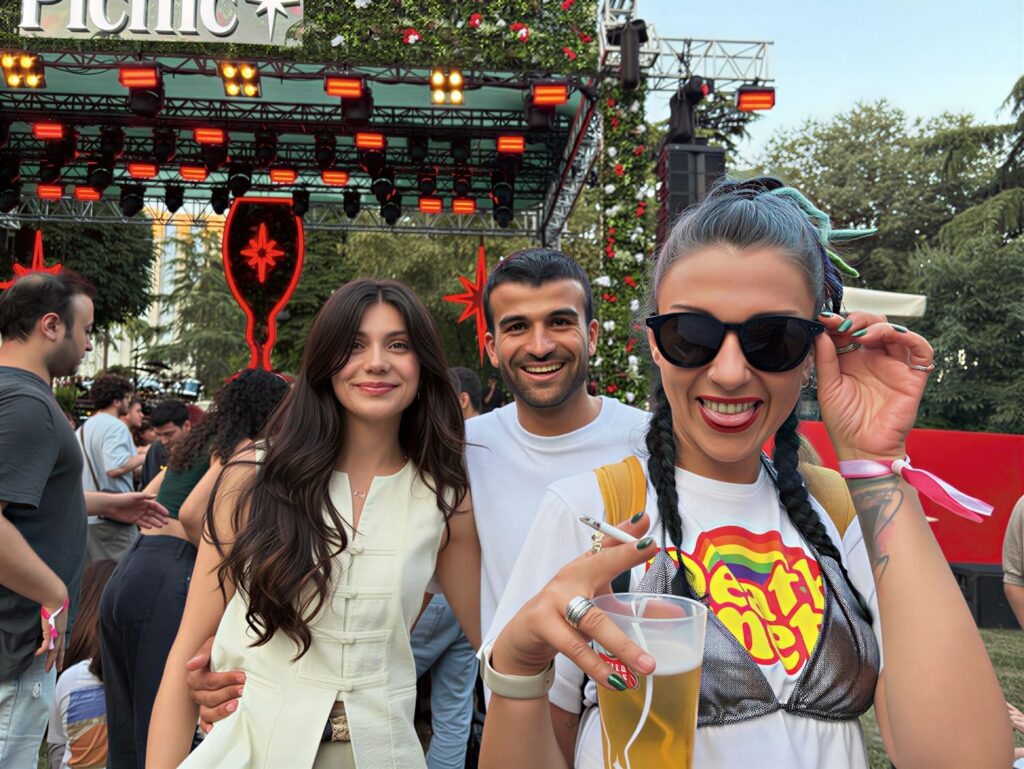
At The Other Tour, we design private, curated vineyard journeys through all five of these regions — with the right tastings, the right table reservations, the right hotels, and a local driver who knows which producer to call ahead to. No buses. No sticker-board tour groups. Just the version of Turkey we’d send our own friends to.
Ready to plan your Turkish wine country trip? Get in touch with us and we’ll build a route around the regions, grapes and pace that suit you best.



Having Wine at Turasan Wine House during sunset is beyond magical. Hghlight of our Cappadocia journey with The Other Tour!
Wow, we’re jealous!! 🙂