

Most visitors come to the Bosphorus for its skyline, palaces, and waterfront mansions. Fewer notice the rich birdlife above its waters and along its shores. This guide introduces the species that make Istanbul one of the region’s most rewarding places for birdwatching.
Table of Contents
A Flyway Between Continents
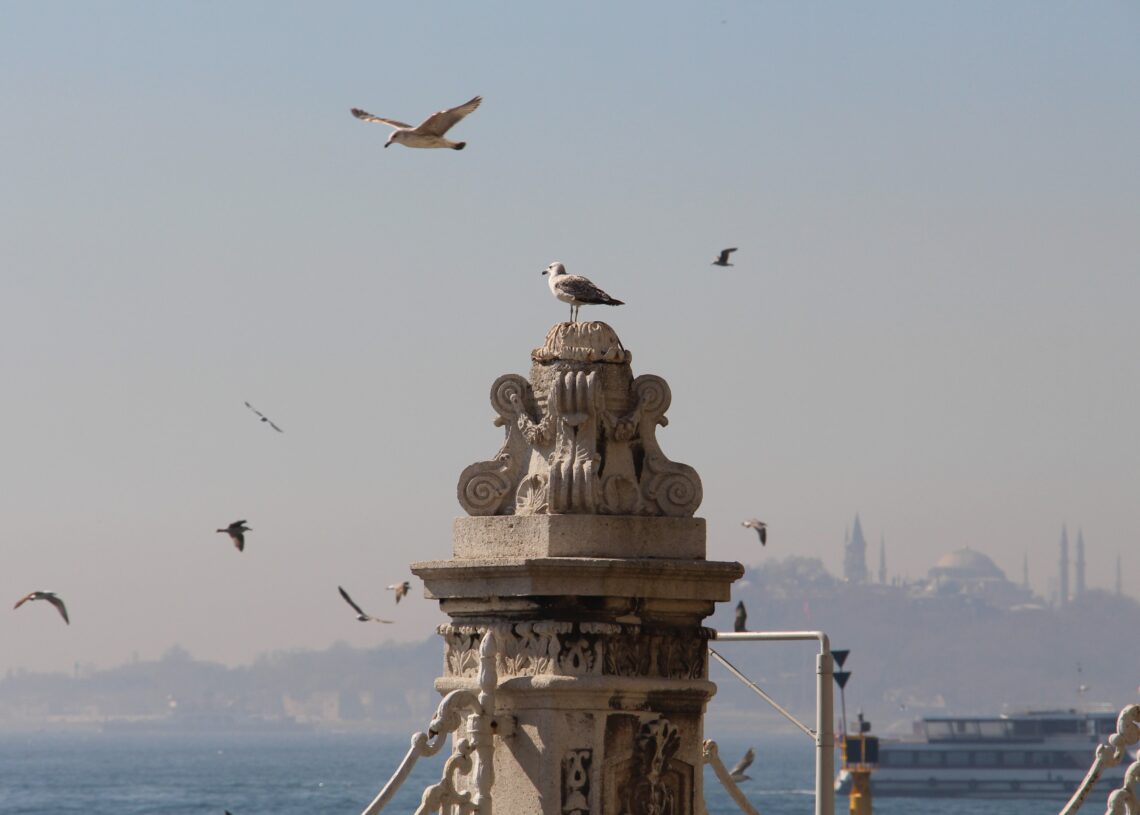
The Bosphorus is more than the narrow strait separating Europe and Asia. It is one of the world’s most important bird migration routes, connecting the Black Sea with the Sea of Marmara and guiding millions of birds between Europe, Asia, and Africa each year.
Many birds, especially large soaring species such as storks and birds of prey, rely on rising columns of warm air known as thermals. These invisible air currents allow them to gain altitude without constantly flapping their wings.
Because thermals rarely form over open water, birds avoid long sea crossings whenever possible and instead follow narrow land bridges and straits.
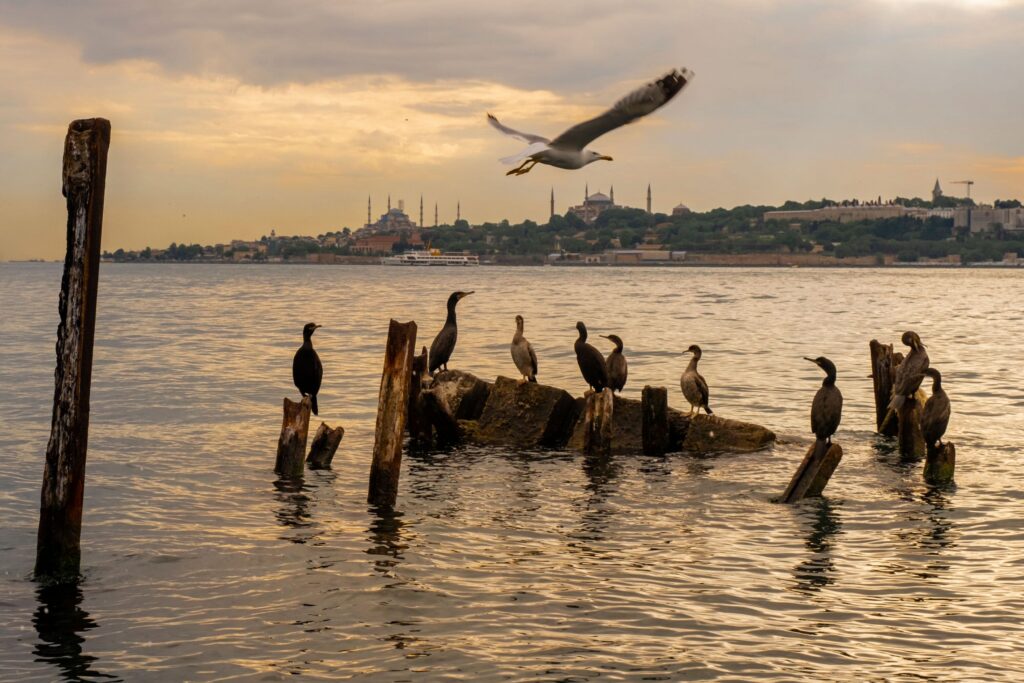
The Bosphorus provides exactly that. At its narrowest points, birds can safely cross between two continents while conserving valuable energy. Every spring and autumn, the skies above Istanbul become one of nature’s busiest aerial highways, rivaling famous migration bottlenecks such as the Strait of Gibraltar and Eilat in Israel.
Not every bird passing through the Bosphorus is a migrant. Many species remain throughout the year, feeding in its productive waters and nesting along its shores. Together, resident birds and seasonal visitors create one of the richest urban bird habitats in the Mediterranean region.
The Birds of the Bosphorus
The birds of the Bosphorus include year-round residents, winter visitors, and long-distance migrants. Gulls circle above ferries, cormorants dive beside the shore, and shearwaters skim the current as the strait cuts through Istanbul.
Each species uses the waterway differently. Some hunt in its sheltered bays, while others follow it as a natural migration route between the Black Sea and the Mediterranean.
Yellow-legged Gull (Larus michahellis)
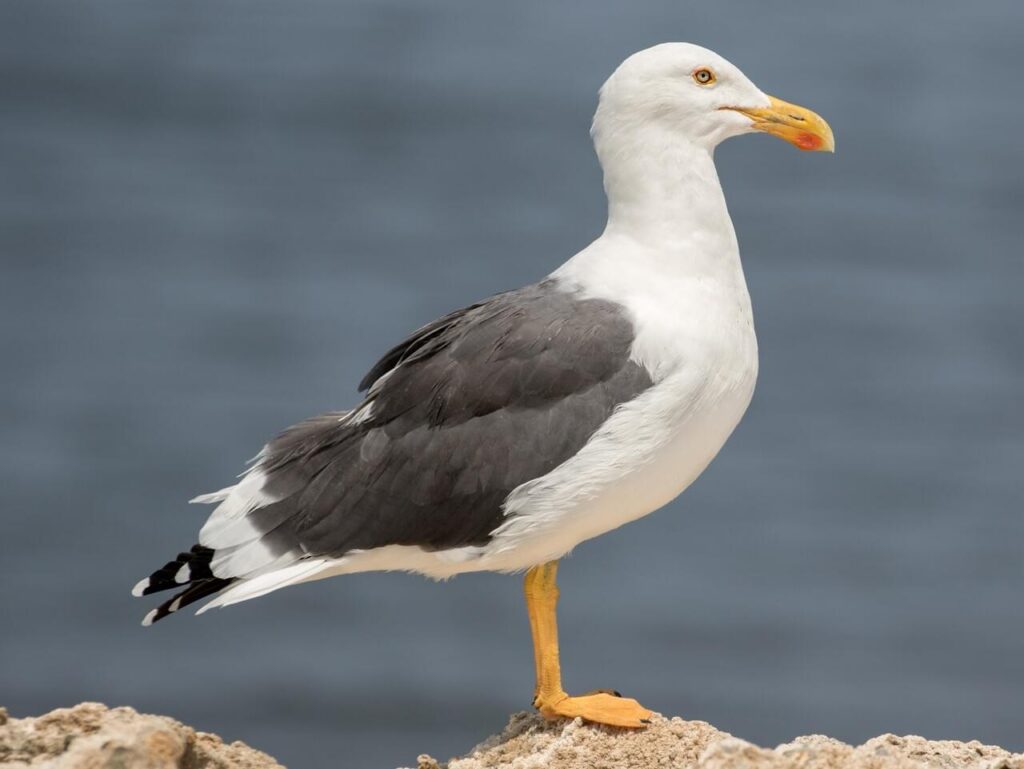
The Yellow-legged Gull (Larus michahellis) is the most common large gull along the Bosphorus. Their loud calls and effortless flight make them one of the defining sights and sounds of Istanbul.
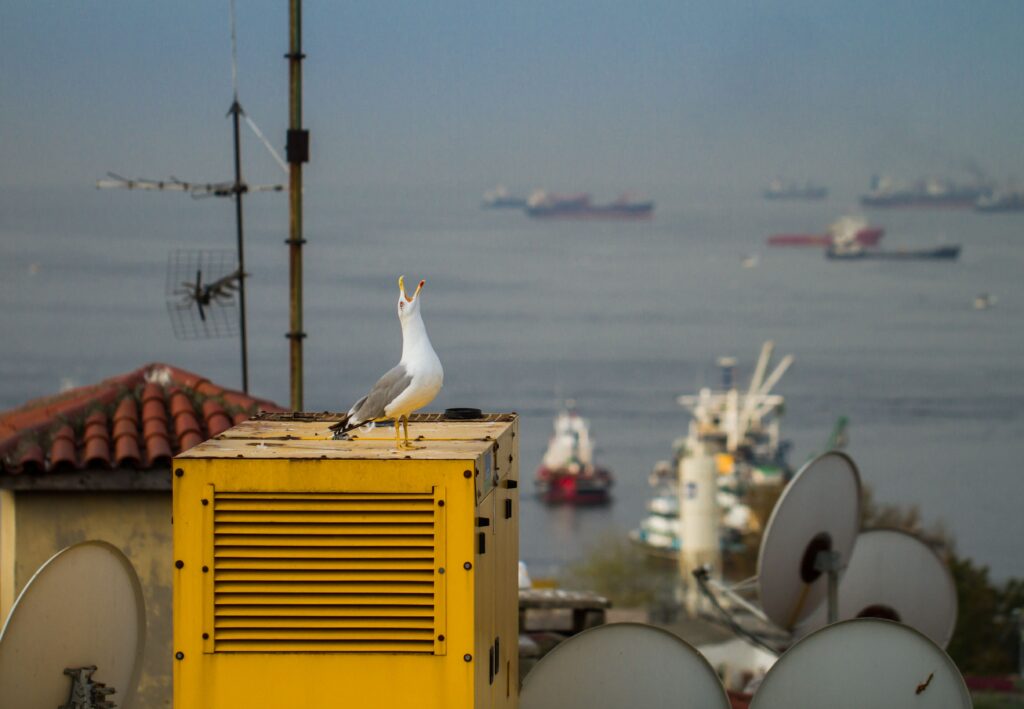
Watch for them following ferries, circling fishing boats, or resting on rooftops along the shoreline. Unlike many seabirds, Yellow-legged Gulls have adapted remarkably well to urban life, often nesting on apartment buildings throughout Istanbul while feeding both at sea and along the Bosphorus.
Unlike many birds that stay hidden, Yellow-legged Gulls have adapted to life alongside people. They are a familiar sight around ferry piers, fish markets, rooftops, and waterfront cafés throughout the Bosphorus.
Black-headed Gull (Chroicocephalus ridibundus)
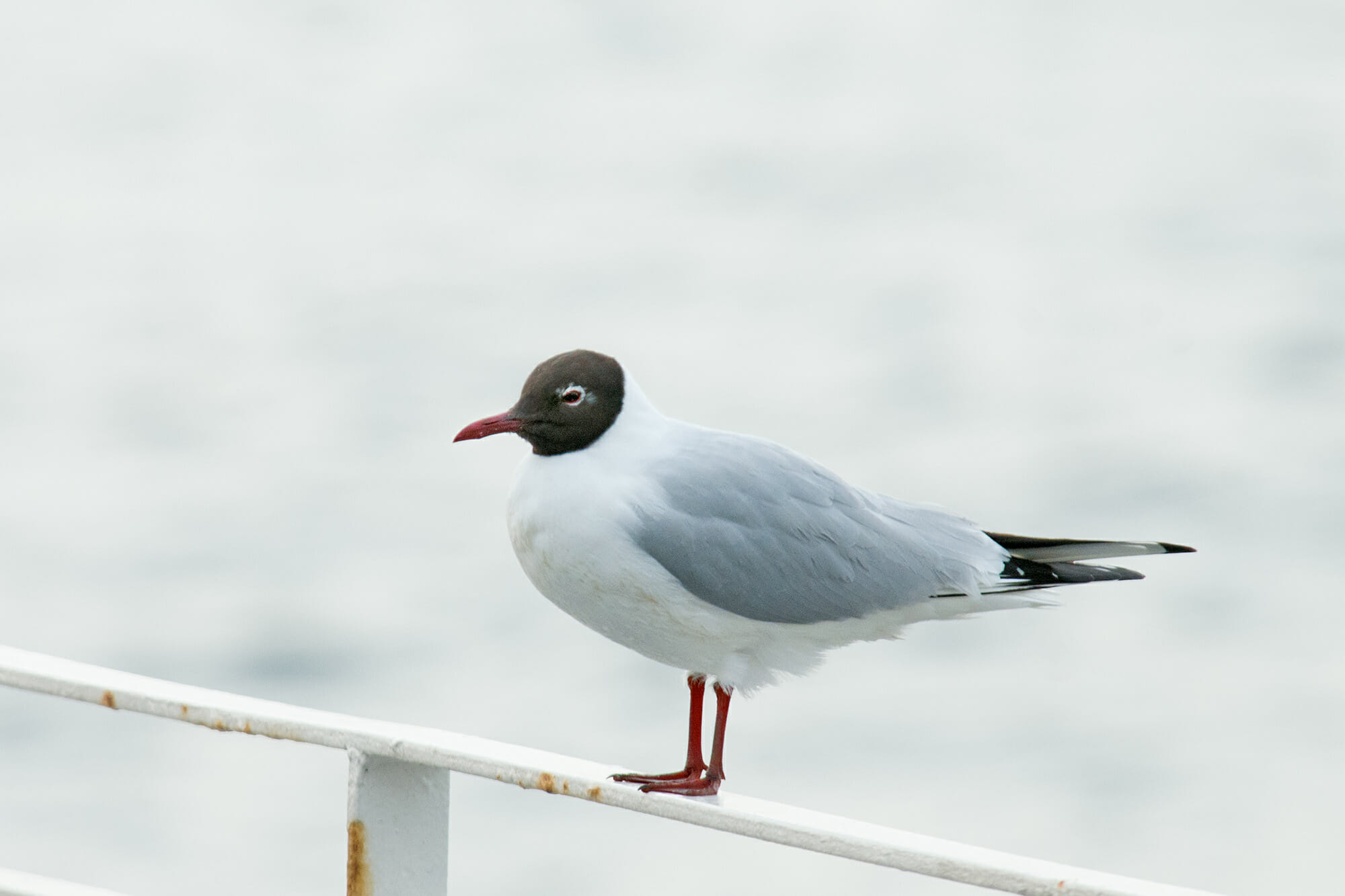
The Black-headed Gull is one of the most common winter visitors to the Bosphorus. During the breeding season, adults develop the rich chocolate-brown hood that gives the species its name.
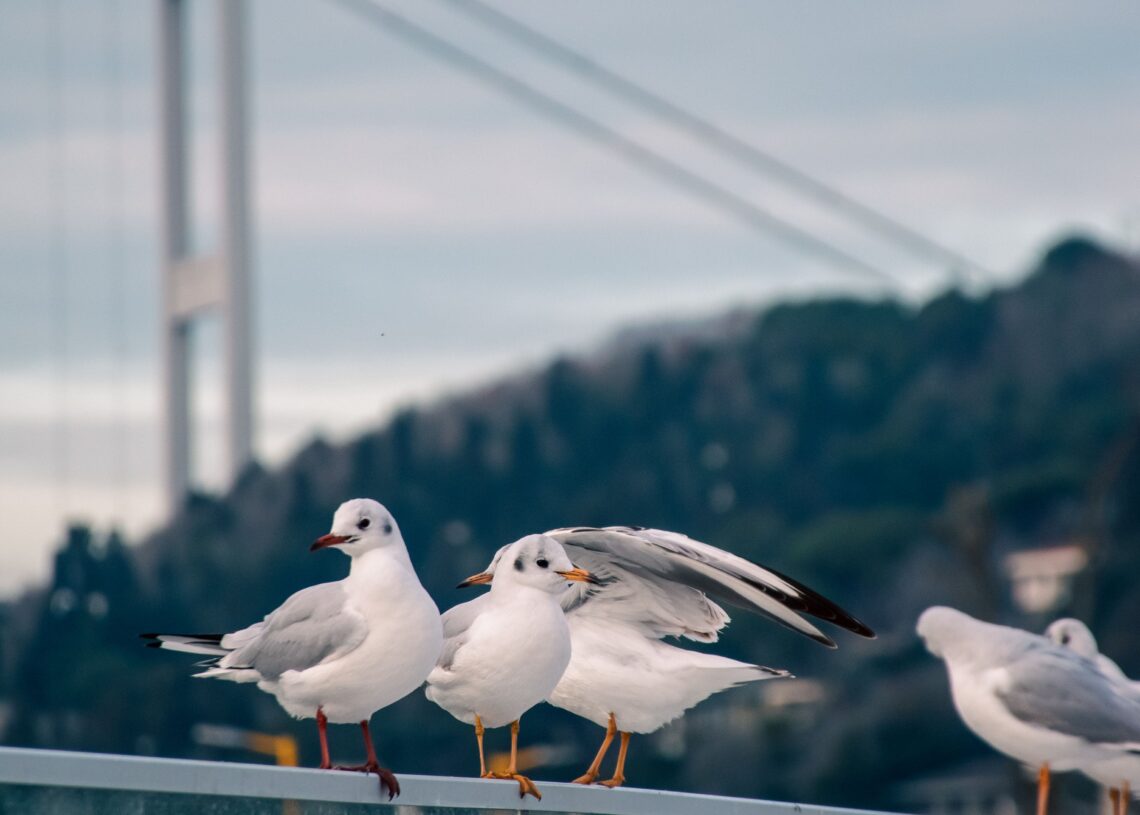
Watch for large flocks following ferries across Istanbul, especially from late autumn through early spring.
In winter, the dark hood fades to a white head with a distinctive dark ear spot, making the bird look surprisingly different from its summer appearance. At this time of year, it is also the most common gull among the flocks that follow ferries across the Bosphorus.
Great Cormorant (Phalacrocorax carbo)
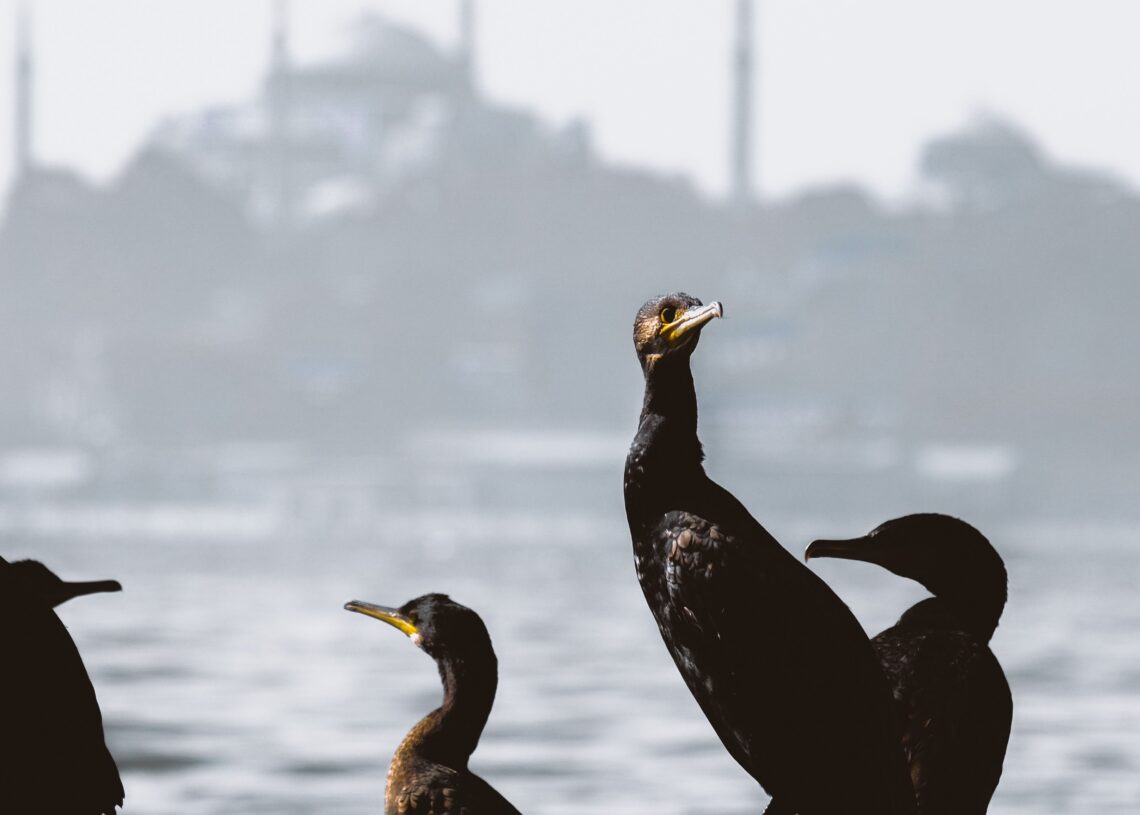
The Great Cormorant is one of the largest waterbirds along the Bosphorus. Its dark plumage, long neck, and heavy body make it easy to recognize, whether swimming low in the water or diving for fish near rocky shores and harbour walls.
Watch for Great Cormorants resting on rocks, buoys, or bridge supports with their wings spread wide. Unlike many waterbirds, their feathers absorb water, so they often pause to dry them after a dive, creating one of the Bosphorus‘s most recognizable birdwatching sights.
Alpine Swift (Tachymarptis melba)
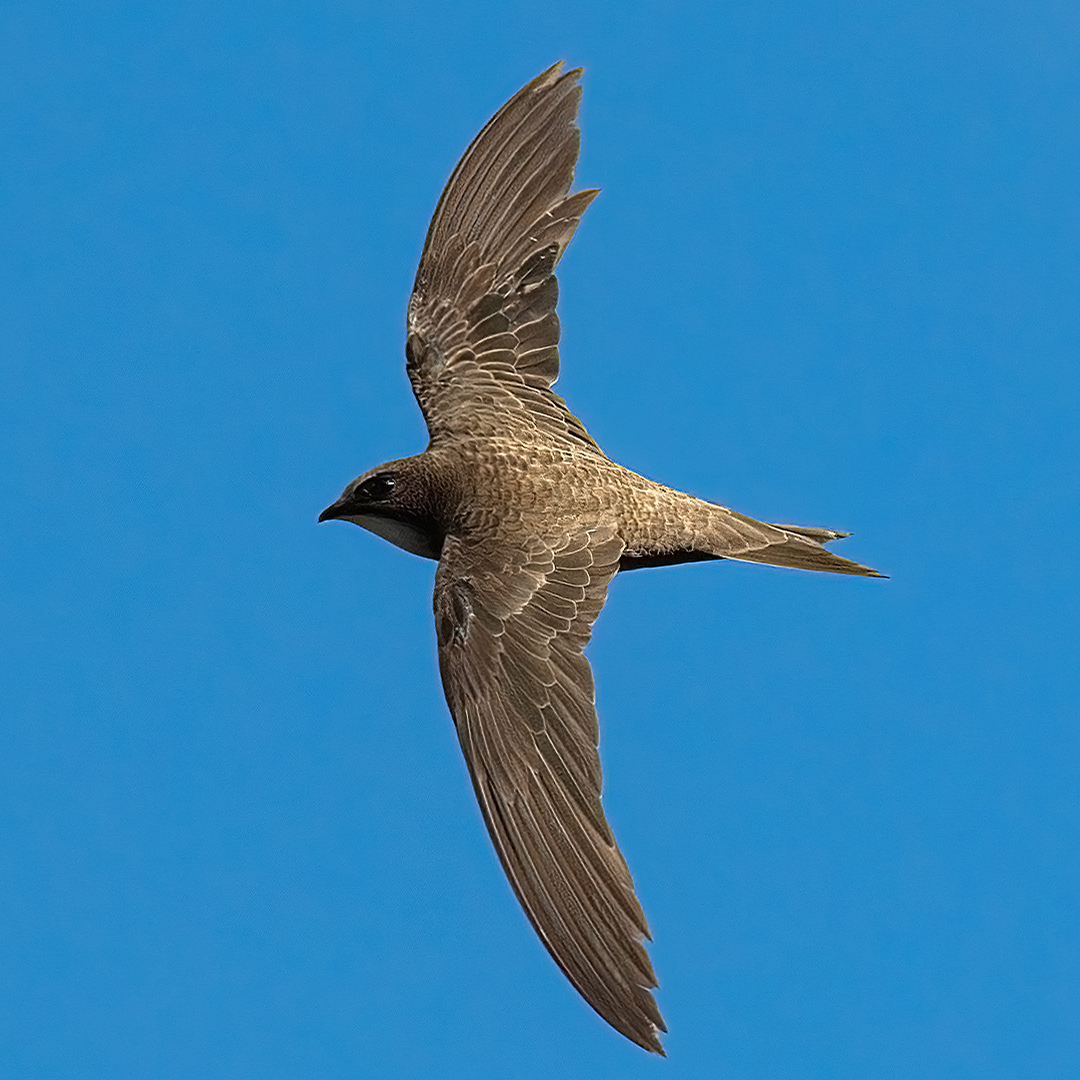
The Alpine Swift is the largest swift regularly seen over Istanbul. Unlike gulls or herons, it almost never lands on the water. Instead, it spends most of its life in the air, feeding on flying insects and sweeping across the skyline above the Bosphorus at remarkable speed.
Look up on warm days between spring and autumn, especially around cliffs, historic towers, and the larger bridges. Alpine Swifts often travel in noisy groups, their high-pitched calls echoing overhead as they twist and glide through the air. Many of the birds passing over the Bosphorus are migrants using this natural corridor on their journey between Europe and Africa.
Some swifts have been recorded spending nearly 200 consecutive days in the air, feeding, resting, and even sleeping without ever touching the ground.
European Shag (Gulosus aristotelis)
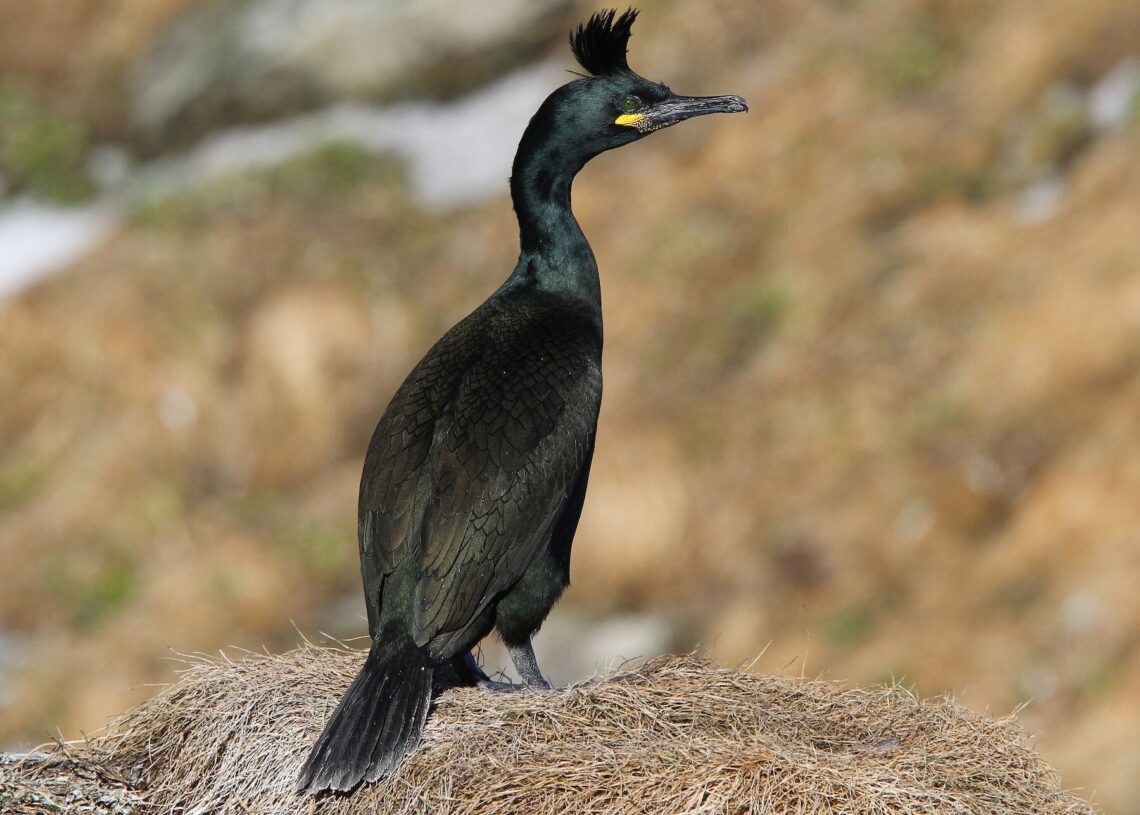
The European Shag is an uncommon but regular visitor to the Bosphorus. Smaller than the Great Cormorant, it is most often found along rocky coastlines, where it dives beneath the surface to catch fish. During the breeding season, adults develop a small crest that makes the species easy to recognize.
Your best chance of spotting one is around the northern Bosphorus or resting on coastal structures such as Haydarpaşa Breakwater. Watch for a dark seabird sitting low in the water before disappearing beneath the surface in search of fish.
Bosphorus Photography Tour
Pygmy Cormorant (Microcarbo pygmaeus)
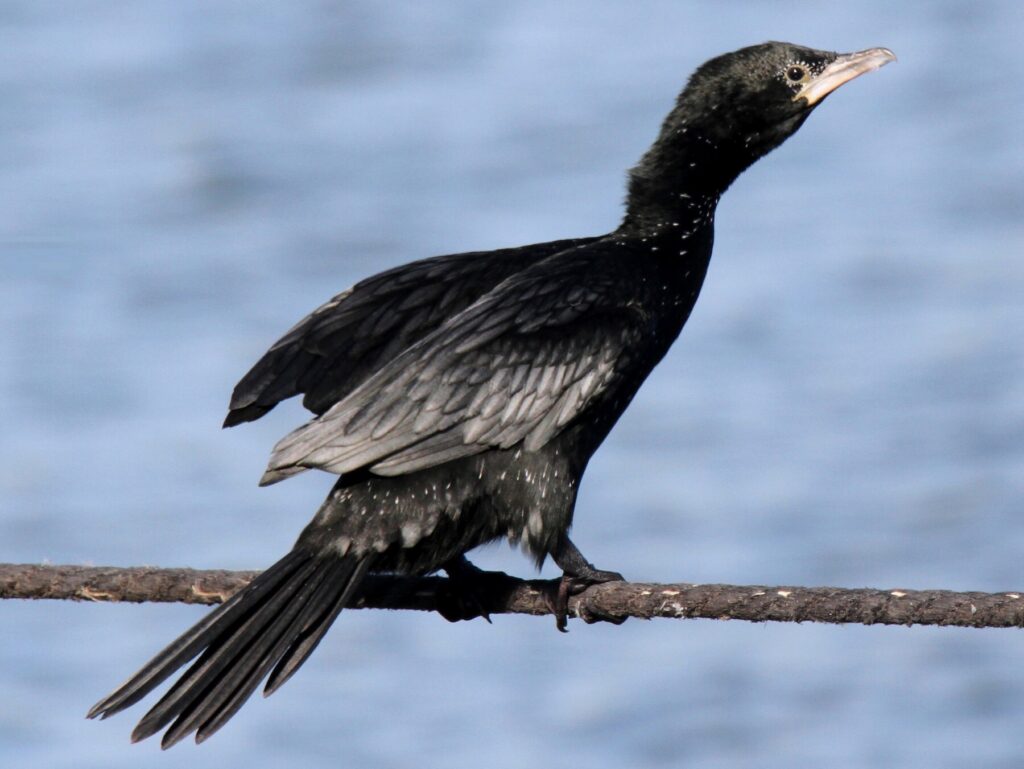
The Pygmy Cormorant is the smallest of the cormorants found around Istanbul. Although it prefers freshwater wetlands, it can occasionally be seen along the northern Bosphorus, especially during the colder months.
Your best chance of spotting one is near quiet inlets or sheltered shores, where Pygmy Cormorants often rest in groups on branches that extend over the water. Unlike gulls that remain on the surface, they frequently dive underwater to catch fish before returning to the same perch.
Yelkouan Shearwater (Puffinus yelkouan)
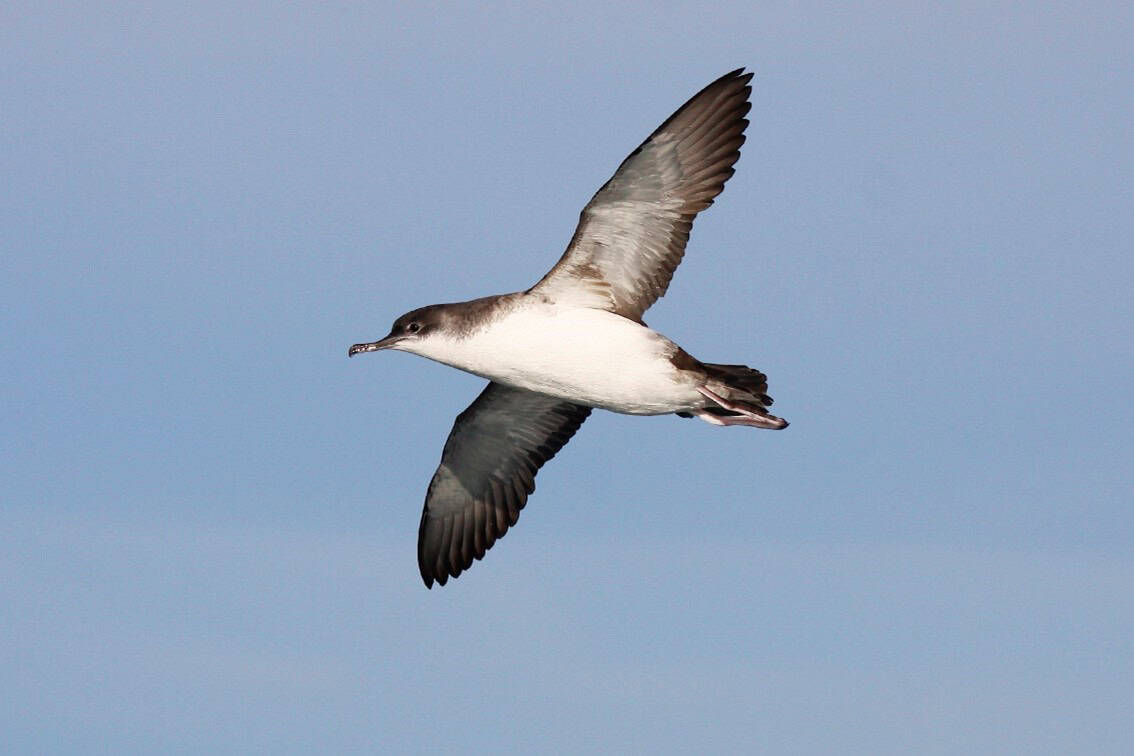
The Yelkouan Shearwater is one of the most distinctive seabirds of the Bosphorus. Unlike gulls that float on the surface, it flies low over the water, using stiff wings and the wind above the waves to glide with barely a wingbeat. This graceful flight is often the easiest way to identify the species.
According to old accounts, Istanbul’s former Frankish communities associated Yelkouan Shearwaters with cursed souls because their calls resembled the cries of people in pain or distress.

Although Yelkouan Shearwaters can be seen throughout the year, winter, especially February, offers some of the best viewing opportunities along the Bosphorus. They are frequently seen in small groups between Moda, Ahırkapı, and Dolmabahçe, racing just above the waves before suddenly disappearing behind the swell as they search for small fish.
White Stork (Ciconia ciconia)
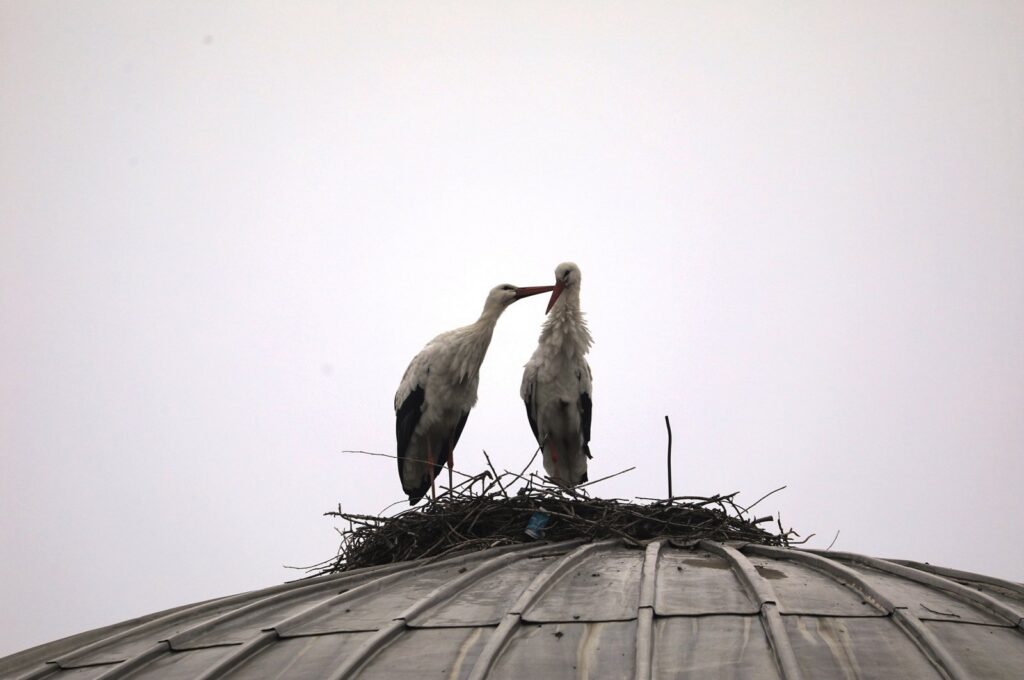
Every autumn, thousands of White Storks cross the Bosphorus as they migrate between Europe and Africa. Their broad wings allow them to soar on rising warm air, making the strait one of the world’s most important migration routes for the species. Watching these birds circle overhead before gliding south is one of Istanbul’s most remarkable wildlife spectacles.
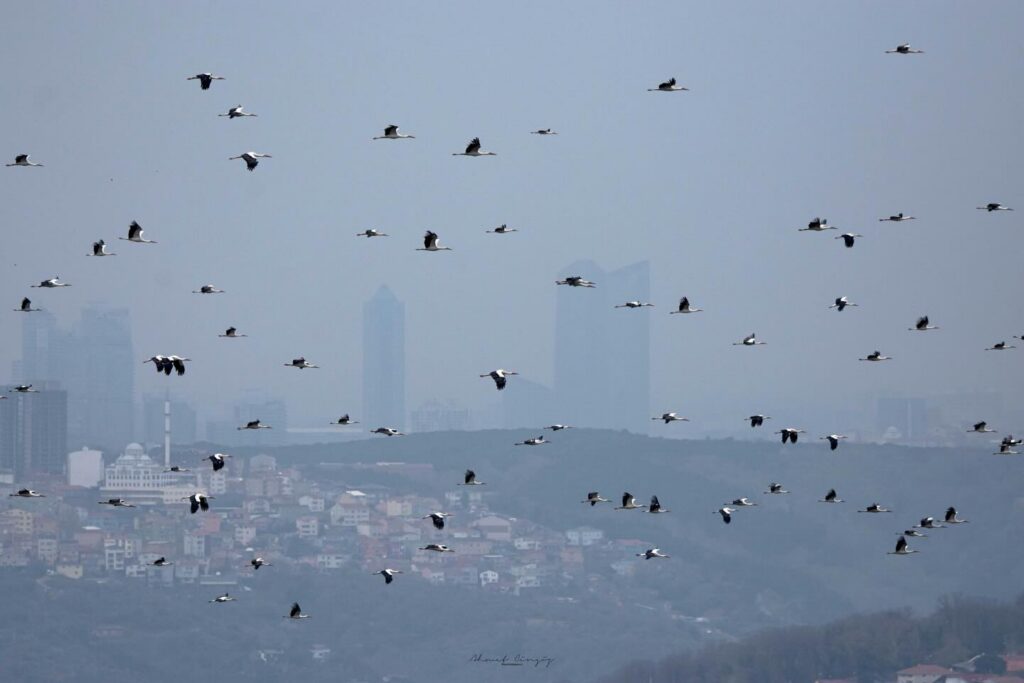
If you’re visiting in late August or early September, keep an eye on the sky rather than the shoreline. Large flocks often pass over the northern Bosphorus before continuing south, sometimes filling the sky with hundreds or even thousands of birds travelling together.
Grey Heron (Ardea cinerea)
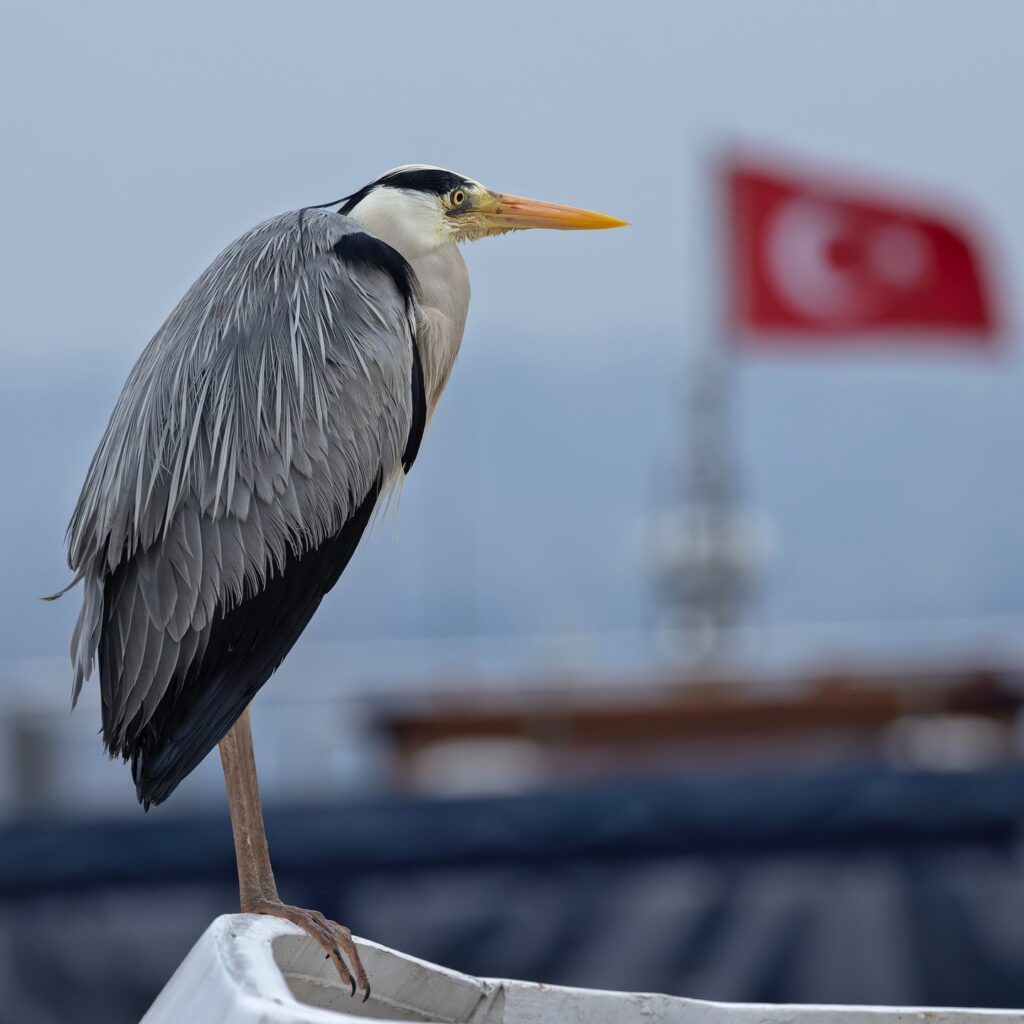
The Grey Heron is one of the easiest waterbirds to spot along the Bosphorus. With its long legs, dagger-like bill, and slow, deliberate movements, it often stands perfectly still at the water’s edge before striking at passing fish. It can be seen throughout the year in Istanbul.

Look for Grey Herons around quiet coves, fishing harbours, and sheltered shores, where they patiently wait for prey. In flight, they tuck their neck into an S-shape, making them easy to distinguish from storks, which fly with their necks fully extended.
Eurasian Coot (Fulica atra)

The Eurasian Coot is a common waterbird found around the Bosphorus, especially in sheltered bays and quieter stretches of shoreline. Its black body and bright white bill make it easy to recognize, even from a distance. Although it resembles a duck at first glance, the coot belongs to a different family of waterbirds.
Watch for Eurasian Coots running across the water before taking flight, using rapid wingbeats and their large feet to gain speed. During winter, their numbers increase as birds from northern Europe arrive in Istanbul, making them one of the easiest waterbirds to spot along the Bosphorus. They are regularly seen off the coast of Kadıköy and can often be observed from ferries traveling to the Princes’ Islands.
Where to Watch Birds Along the Bosphorus
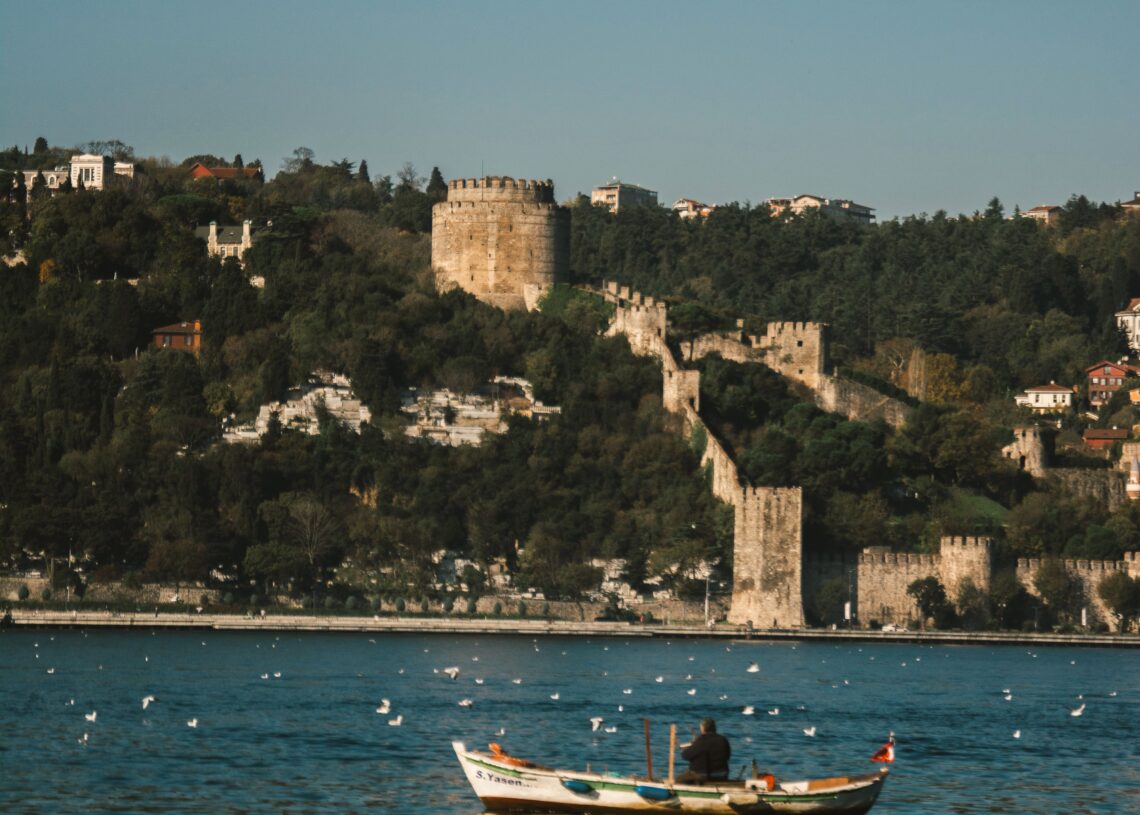
Northern Bosphorus
The northern Bosphorus, where the strait meets the Black Sea, offers the best birdwatching opportunities in Istanbul. This is where migratory birds first enter or leave the Bosphorus, making places such as Anadolu Kavağı, Rumeli Kavağı, and Yoros Castle excellent locations for spotting both resident and seasonal species.
Central & Southern Bosphorus
The central and southern stretches of the Bosphorus are ideal for casual birdwatching. Waterfront parks, ferry terminals, and promenades around Emirgan Park, Üsküdar, and Ortaköy provide easy access to many of the species that live along the shoreline throughout the year.
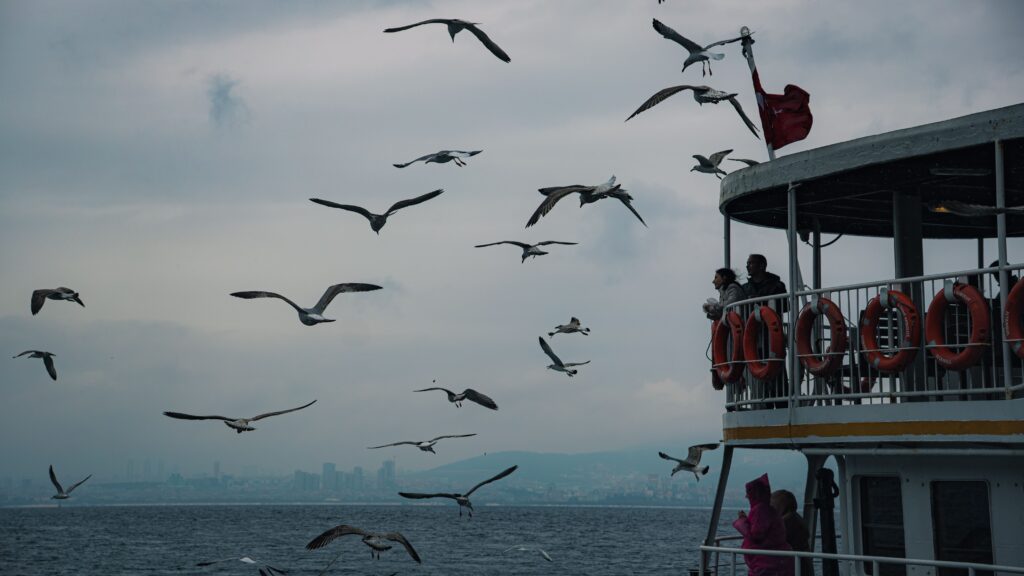
One of the best ways to observe birds is from the deck of a Bosphorus cruise or public ferry. As the boat travels between Europe and Asia, you can often watch Yellow-legged Gulls flying alongside, Grey Herons hunting near the shore, Black-headed Gulls resting on the water, and cormorants drying their wings on rocks and navigation markers.
When Is the Best Time to Watch Birds on the Bosphorus?
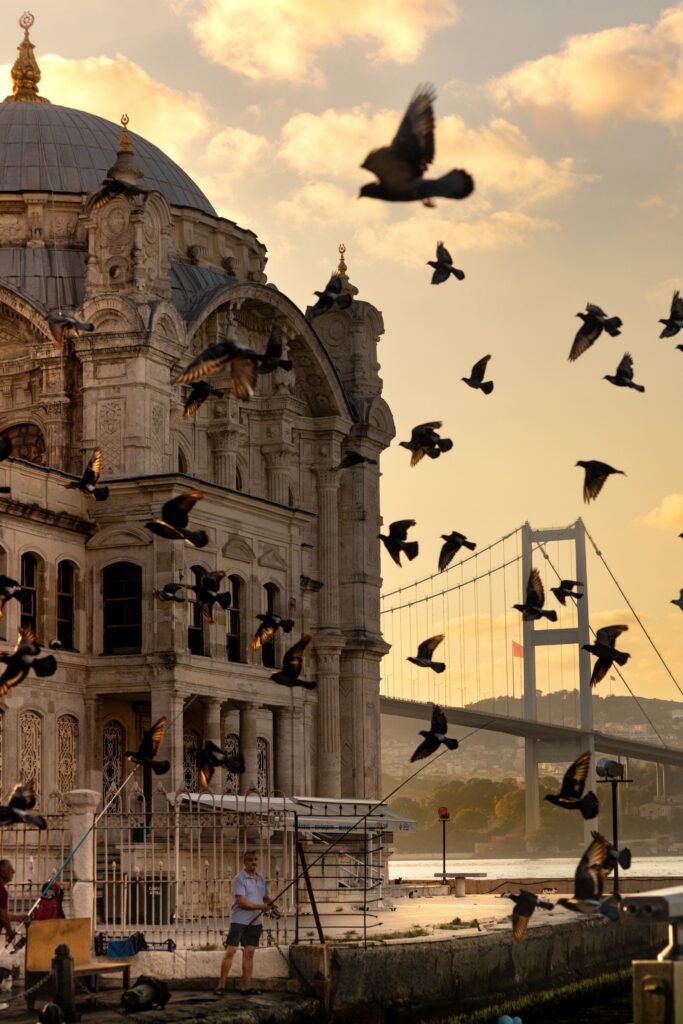
The Bosphorus offers excellent birdwatching throughout the year, with each season bringing different species and migration events.
Spring: White Storks and birds of prey ride rising warm air as they cross the Bosphorus during their northbound migration.
Summer: Resident species dominate the shoreline. Yellow-legged Gulls, Great Cormorants, Grey Herons, and Yelkouan Shearwaters are among the birds you are most likely to encounter.

Autumn: Southbound migration brings another wave of White Storks, raptors, and Alpine Swifts, especially from late August through September.
Winter: Black-headed Gulls, Eurasian Coots, and larger numbers of Great Cormorants gather along the Bosphorus, making it one of the best seasons for observing waterbirds.
For the best experience, visit the waterfront early in the morning or enjoy a Bosphorus cruise for uninterrupted views from the water.
Birds That Flew Into Turkish Literature & Music
For centuries, the birds of the İstanbul have inspired Turkish artists, writers, and musicians. Orhan Veli Kanık wrote of seagulls and swifts soaring above Istanbul, while Sait Faik Abasıyanık filled his Bosphorus stories with gulls, cormorants, fishermen, and the changing moods of the sea. His celebrated collection The Last Birds (Son Kuşlar) even mourned the disappearance of birds from the city’s skies.
Their legacy continues in music too, from traditional Turkish folk songs welcoming the return of migrating storks each spring to Teoman’s Martılar, where the seagull’s cry has become inseparable from the spirit of Istanbul.
FAQ- Frequently Asked Questions
What are the best birds to see along the Bosphorus?
The Bosphorus is home to resident species such as the Yellow-legged Gull, Great Cormorant, Grey Heron, and Eurasian Coot throughout the year. During migration, you may also see White Storks, Alpine Swifts, Yelkouan Shearwaters, and many birds of prey.
When is the best time for birdwatching in the Bosphorus?
Spring (March to May) and autumn (August to October) are the best seasons for migration. Winter offers excellent opportunities to observe waterbirds, while resident species can be seen throughout the year.
Where can I go birdwatching in the Bosphorus?
The northern Bosphorus offers the best birdwatching, but ferries, waterfront parks, fishing harbours, and quieter coves throughout the strait also provide excellent viewing opportunities.
Do I need binoculars for birdwatching?
Binoculars make it much easier to identify distant birds, especially during migration. However, many species such as Yellow-legged Gulls, Grey Herons, and Great Cormorants are easy to observe with the naked eye.
Can I see migrating birds from a Bosphorus cruise?
Yes. A Bosphorus cruise offers uninterrupted views of the shoreline and open water, making it an excellent way to spot gulls, cormorants, herons, and, during migration, soaring birds overhead.
Why is the Bosphorus important for bird migration?
The Bosphorus forms a natural land bridge between Europe and Asia. Many soaring birds avoid crossing large areas of open sea, so they follow this narrow corridor where rising warm air helps them continue their migration.
Explore the Bosphorus with The Other Tour
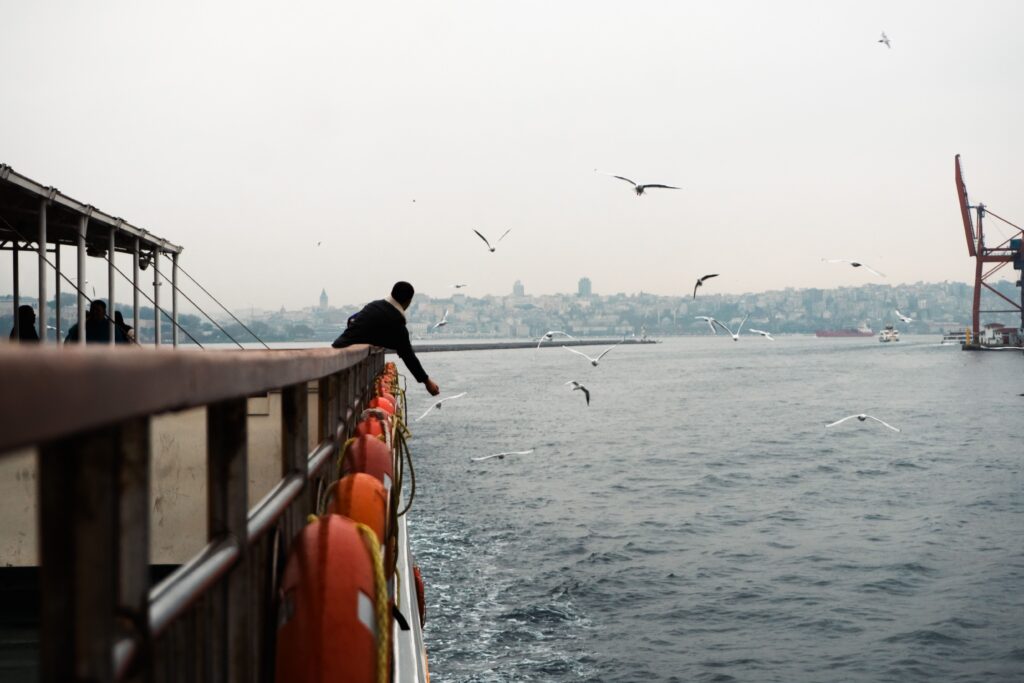
The Bosphorus is one of the world’s most important bird migration corridors, connecting Europe, Asia, and Africa. Whether you’re watching resident birds or seasonal migrants, continue exploring the waterfront in Kadıköy, Arnavutköy, Ortaköy, and Kanlıca, or experience the strait from the water on a Bosphorus cruise.






Always remember to carry extra simit whenever boarding a ferry, Turkish Seagulls love it!
Great idea!