Standard tourism often reduces Istanbul to scenic monuments, overlooking the profound gravity of the landscape. This corridor is a critical nexus where prehistoric migration, imperial strategy, and geological shifts altered global history. Before selecting your Istanbul tour, consider the five foundational realities that define this crossroads.
Table of Contents
The Volatile, Unscripted Soul of Istanbul
Most travel narratives reduce Istanbul to a photogenic cliché—a scenic backdrop where empires conveniently stacked themselves like a clean layer cake. This checklist approach completely misses the staggering weight of the city. Beneath the aesthetic surface of minarets and palaces lies a volatile, living crossroads where human migration, tectonic geography, and imperial obsession violently collided to alter the course of global history.
To comprehend this landscape before committing to an Istanbul tour, one must look past the standard tourist brochures. This city was never a passive observer of history; it was the ultimate Eurasian crucible. It is an intense, heavily contested space forged by deep prehistoric roots, relentless geopolitical desire, and an ancient, unbroken legacy of offering refuge to those displaced by the shifting tides of the world.
The following five realities are designed to strip away the superficial folklore and expose the raw, unscripted pulse of the city. By tracing Istanbul’s human continuity from its oldest Paleolithic depths straight into the modern realities of 2026, we can map the true psychological depth of this landscape. This is the essential context required to understand the profound gravity of the ground beneath your feet.
Five Historical Truths Every Traveler Must Know
To truly grasp this landscape, one must look far beneath the surface of conventional travel narratives. This metropolis has never been a static backdrop to historical events; it has always functioned as the definitive crucible of Europe and Asia.
It is a deeply layered territory sculpted by millennia of prehistoric settlement, centuries of unyielding imperial ambition, and a foundational, uninterrupted tradition of welcoming generations of wanderers and exiles cast adrift by global upheaval.
By following these threads of human connection directly into the present day, we uncover the genuine emotional and historical weight of the terrain.
The Human Story Starts in a Cave—400,000+ Years Ago
When travelers picture Istanbul’s origins, their minds naturally gravitate to its legendary classical monuments: the imposing silhouette of the Hagia Sophia, the sweeping Roman aqueducts, or the massive Theodosian walls. Yet the opening chapter of human presence along this geographic corridor does not belong to emperors, sultans, or classical architects.
It is written in the damp, karstic subterranean chambers of Yarımburgaz Cave, located just northwest of Küçükçekmece Lake. Rigorous archaeological excavations at this vital site have uncovered primitive stone pebble tools, choppers, and an abundance of butchered animal remains dating back between 400,000 and 600,000 years.
To contextualize this timeline, these discoveries do not merely predate the foundation of Byzantium; they represent some of the oldest verified evidence of hominid presence anywhere on the European continent. Long before Homo sapiens even evolved, archaic human ancestors—specifically Homo erectus migrating out of Africa—were utilizing this complex cave system as a seasonal shelter.
An 8,500-Year-Old Settlement Born of Rising Seas
For generations, conventional historians dated the settled birth of Istanbul to 667 BCE, when Megarian colonists established Byzantium. This clean timeline was permanently shattered during the massive transportation excavations at Yenikapı, where engineers digging out a modern subway hub breached an ancient marine layer.
The waterlogged silt acted as a flawless preservation capsule, revealing a pristine Neolithic settlement that instantly pushed the city’s continuous human narrative back 8,500 years. Archaeologists unearthed the wooden structural remains of rectangular houses, polished stone axes, urn burials with intact human skeletons, and even fossilized footprints left by Istanbul’s earliest farmers stepping through prehistoric mud.
The Yenikapı site provides undeniable physical proof that human society witnessed this world-altering geological fracture, transitioning from an isolated, inland valley culture into a highly adaptive maritime civilization that would eventually command the strategic gateway between two continents.
Capital of Rome and the Most Besieged City in Human History
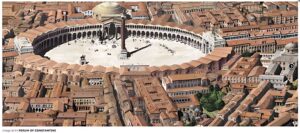
When Emperor Constantine dedicated Nova Roma in 330 CE, he legally and structurally transplanted the core of Roman civilization to the Bosphorus. This monumental shift created a fortress city designed to endure the fracturing of the Western empire.
By superimposing traditional Roman governance and unparalleled civic infrastructure onto a strategically superior peninsula, Constantinople transformed into an administrative powerhouse. This defensive juggernaut successfully preserved the continuity of Roman law, culture, and identity for over a thousand years after the collapse of old Rome itself.
Because it guarded the ultimate geopolitical intersection of Europe and Asia, the capital became the most targeted and besieged city in human history. To survive dozens of relentless assaults by Avars, Persians, Arabs, Rus, and Crusaders, Roman engineers constructed the staggering Theodosian Walls—a triple-layered defensive network that successfully repelled imperial sieges for centuries.
The Eternal Refuge-City: A Sanctuary Across Ages
Great cities are not just fortresses; they are sanctuaries. While Istanbul’s famed walls provided physical defense, its vast, anonymous urban complexity provided refuge for the displaced, the migrant, and the seeker. This enduring hospitable impulse is a profound constant throughout its biography.
Over the centuries, the city has opened its gates to waves of diverse communities, including Sephardic Jews expelled during the Spanish Inquisition, White Russians fleeing the collapse of an empire, and global intellectuals seeking political haven. Even the very name “Istanbul”—derived from a Greek phrase meaning “to the city“—was an informal layer adopted by the populace long before it was standardized by the Republic in 1930.
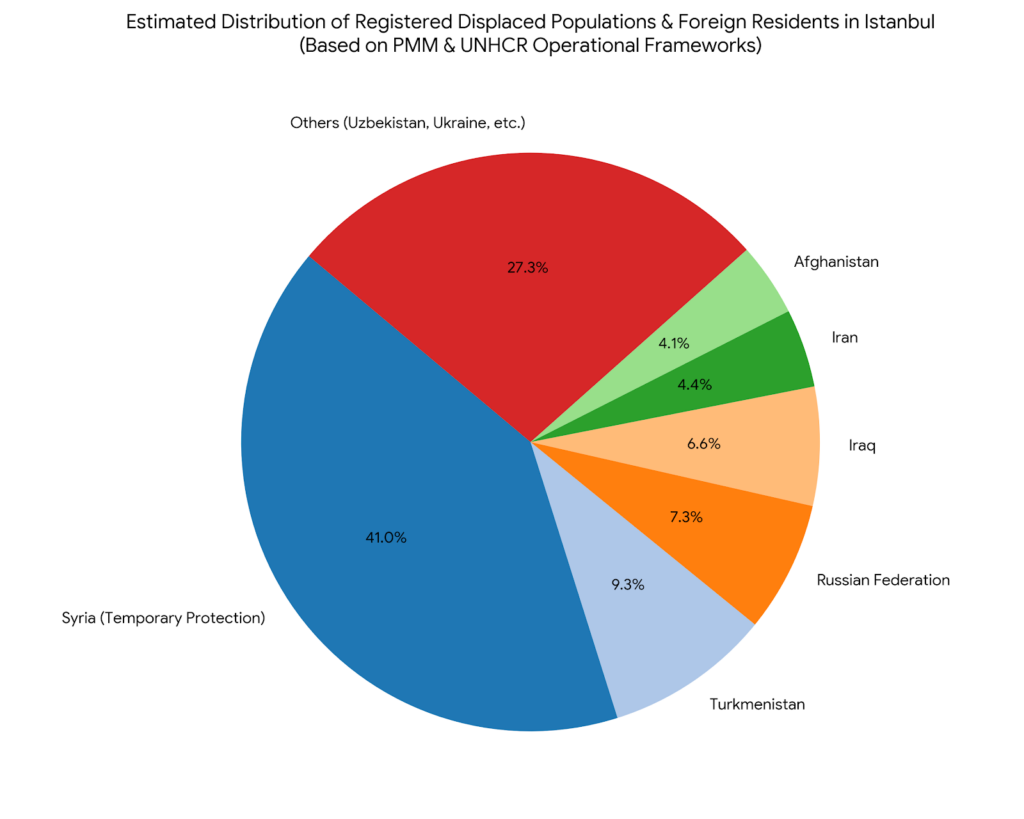
That protective legacy remains vibrantly, urgently alive in 2026. As UNHCR reports, Türkiye continues to host one of the world’s largest refugee populations, a reality deeply etched into the contemporary metropolis. Syrian entrepreneurs, Ukrainian families, Afghan artists, and migrants from across Africa and Asia daily weave their personal narratives into the urban fabric.
Ancient City Of Destroyed Sacred Arts
The City the World Could Not Stop Visiting
In the 21st century, Istanbul is no longer besieged by armies — it is overwhelmed by arrivals. The same geography that once made the city irresistible to emperors, merchants, pilgrims, exiles, and conquerors has now turned it into one of the most visited urban destinations on earth.
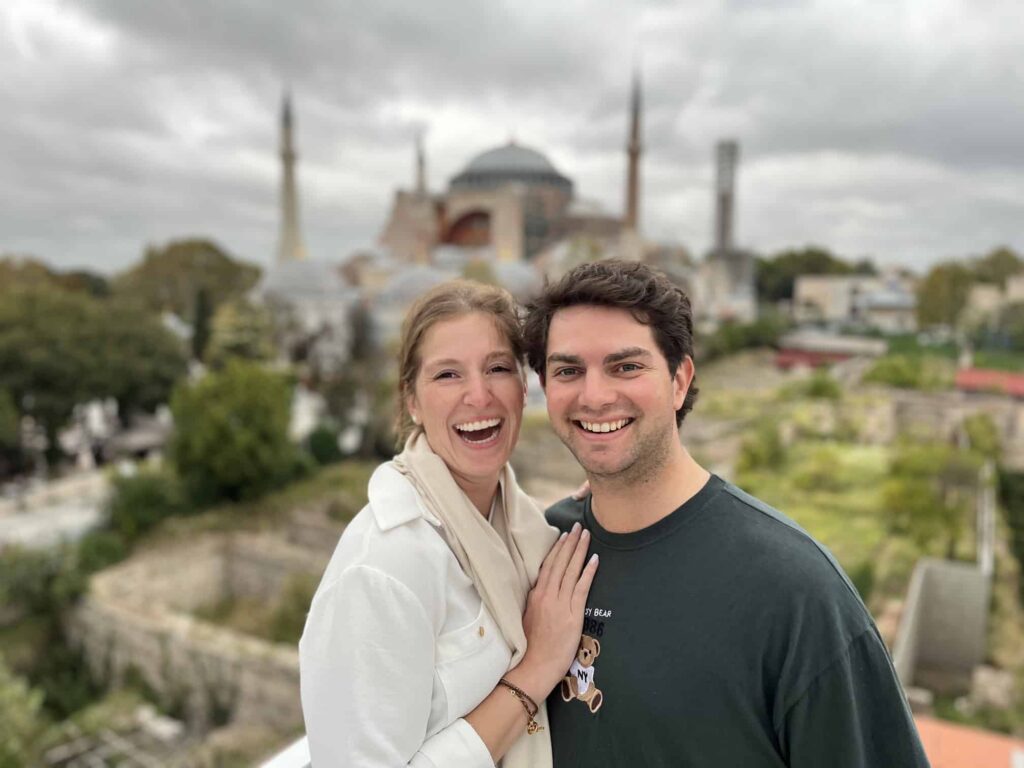
In 2023, Istanbul became the world’s most visited city by international arrivals, welcoming around 20.2 million visitors and surpassing London, Dubai, Antalya, and Paris. That was not a random spike. It was the modern expression of an ancient pattern: people keep coming here because Istanbul sits at the meeting point of continents, religions, cuisines, migration routes, imperial memories, and living street culture.
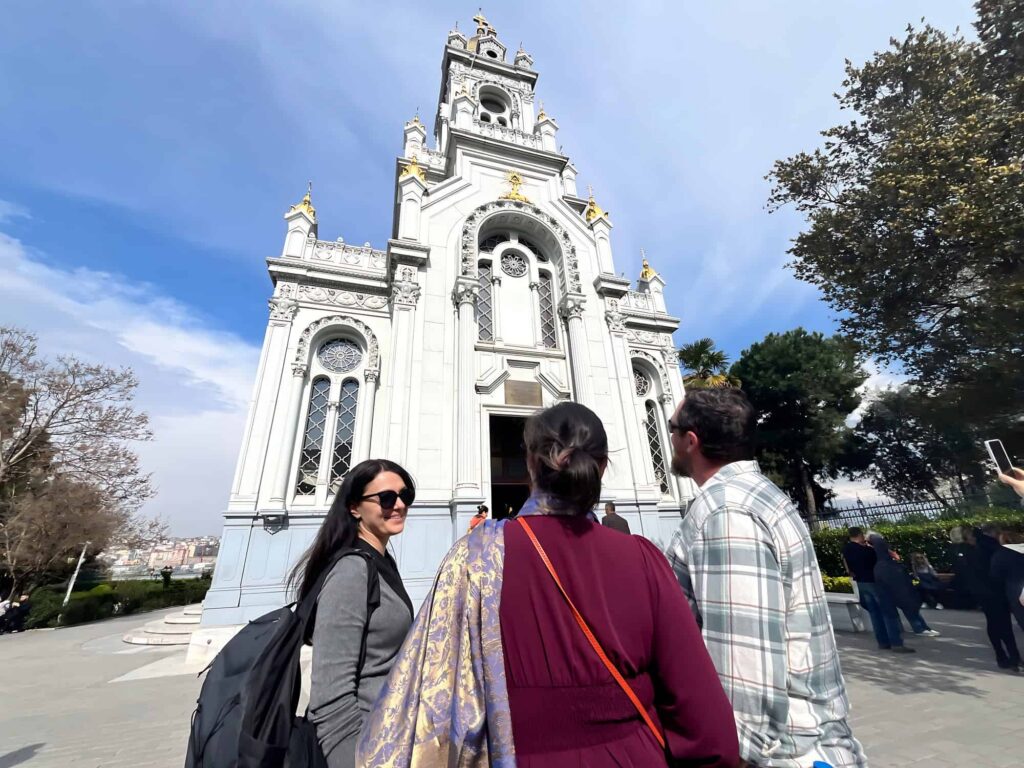
In 2024, the city slipped from first to second place, overtaken by Bangkok, but still drew roughly 23 million international visitors — an even higher number than the year before. This means Istanbul did not “fall” in any meaningful sense; the global travel map simply became more competitive again as Asian destinations surged back after the pandemic years.
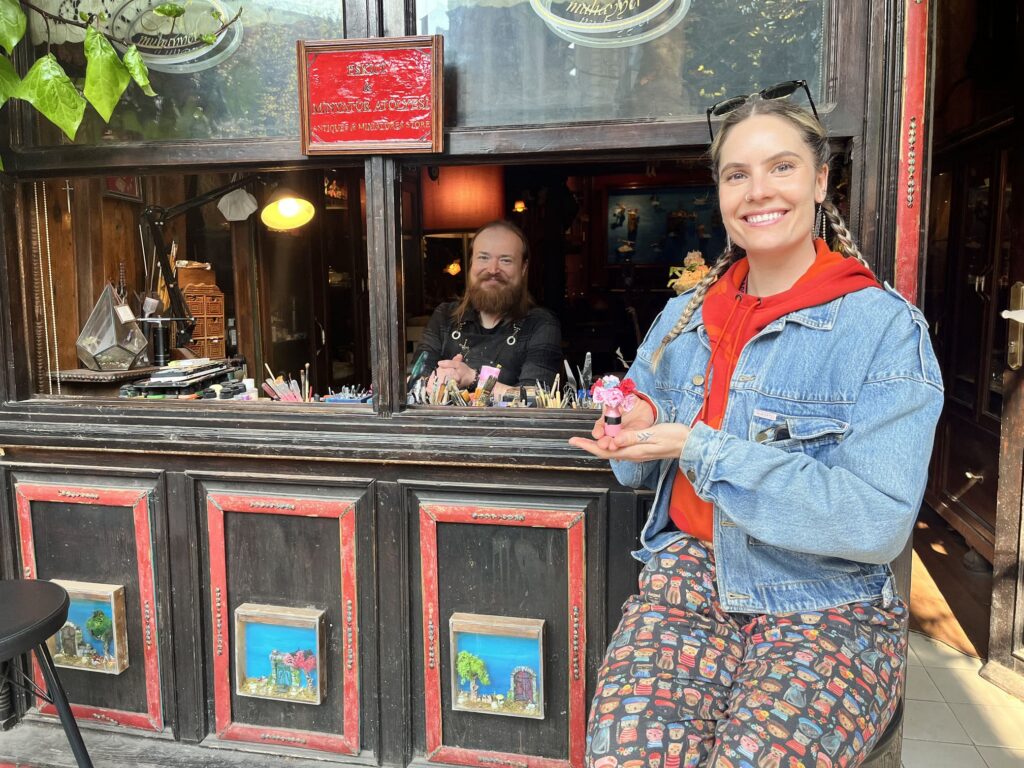
By 2025, Istanbul remained firmly inside the global elite, ranking fifth worldwide with around 19.7 million international visitors. Even more striking, Antalya also entered the top 10, proving that Türkiye had become one of the defining tourism powers of the decade, not merely a regional favorite.
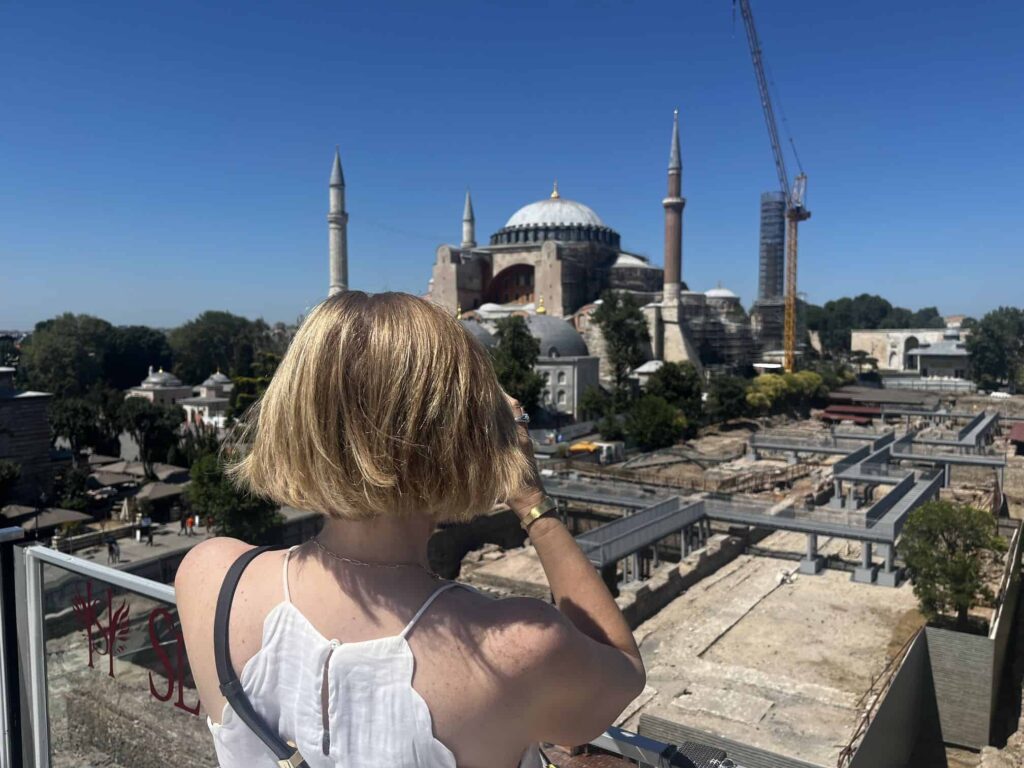
For travelers, these numbers carry a serious message. Istanbul is not just “popular.” It is intensely desired, heavily used, and increasingly difficult to understand through ordinary sightseeing alone. The crowds at Hagia Sophia, the ferries on the Bosphorus, the pressure on Sultanahmet, the global energy of Karaköy, Kadıköy, Galata, and the Grand Bazaar — all of it reflects a city still performing its oldest role: pulling the world toward itself.
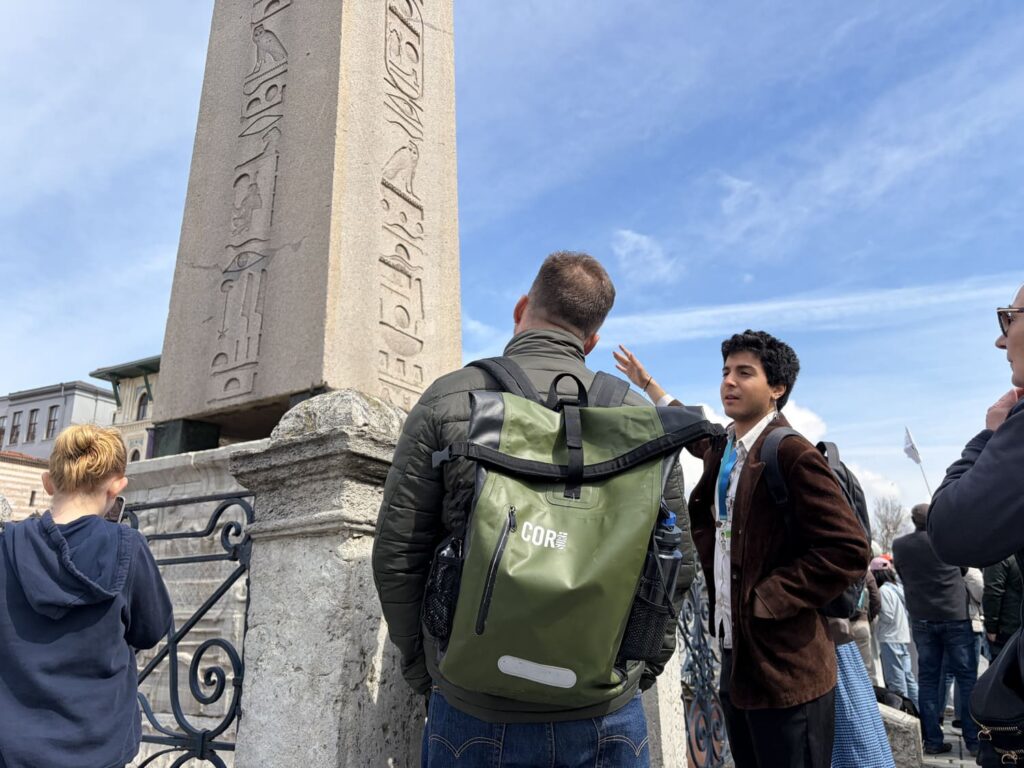
That is why visiting Istanbul today requires more than a checklist. To experience it properly, one must move beyond the obvious monuments and into the living city — its neighborhoods, ferries, markets, kitchens, side streets, family tables, and human stories. Otherwise, the world’s most magnetic city becomes just another crowded backdrop.
Explore Other Istanbul Posts

Walk Istanbul’s Byzantine past—from Yedikule to Chora, tracing the fall of Constantinople and the dawn of the Renaissance by land and sea.

Explore Istanbul’s Abrahamic faiths with your tour guide in one day—churches, synagogues, and mosques woven into a shared history.

Discover Istanbul’s strategic importance, history, and Türkiye’s modern influence on this immersive full-day geopolitics tour.

Private half-day tours in Istanbul. Explore the city in 3 to 5 hours with immersive, flexible, and customizable experiences.

Istanbul Rooftop Cocktail Tour is an evening of skyline-hopping through the best rooftops—each chosen for a different angle on the city.

Explore Istanbul’s underrated neighborhoods, Sinan’s forest aqueducts, seaside districts, ancient caves, the Golden Horn, and more in 2026.
Discover Istanbul With Us
Connecting with the deep, layered history of this metropolis requires moving beyond the standard tourist tracks. If you are ready to experience the true context, continuity, and living stories of the city rather than just checking famous landmarks off a list, we are here to help design your journey.
Whether you want to trace the path of the ancient Theodosian Walls, explore the hidden architectural gems of the historic peninsula, or immerse yourself in the vibrant multicultural neighborhoods of modern Istanbul, filling out the details above is your first step toward an unforgettable Istanbul tour.
Our team coordinates directly with expert, local guides to ensure every aspect of your exploration is rich with historical accuracy and genuine local insight.